Algorithmic Amplification: How Recommendation Engines Favor Niche Multiplayer Games on Major Platforms
Avery Russell · Jun 4, 2026
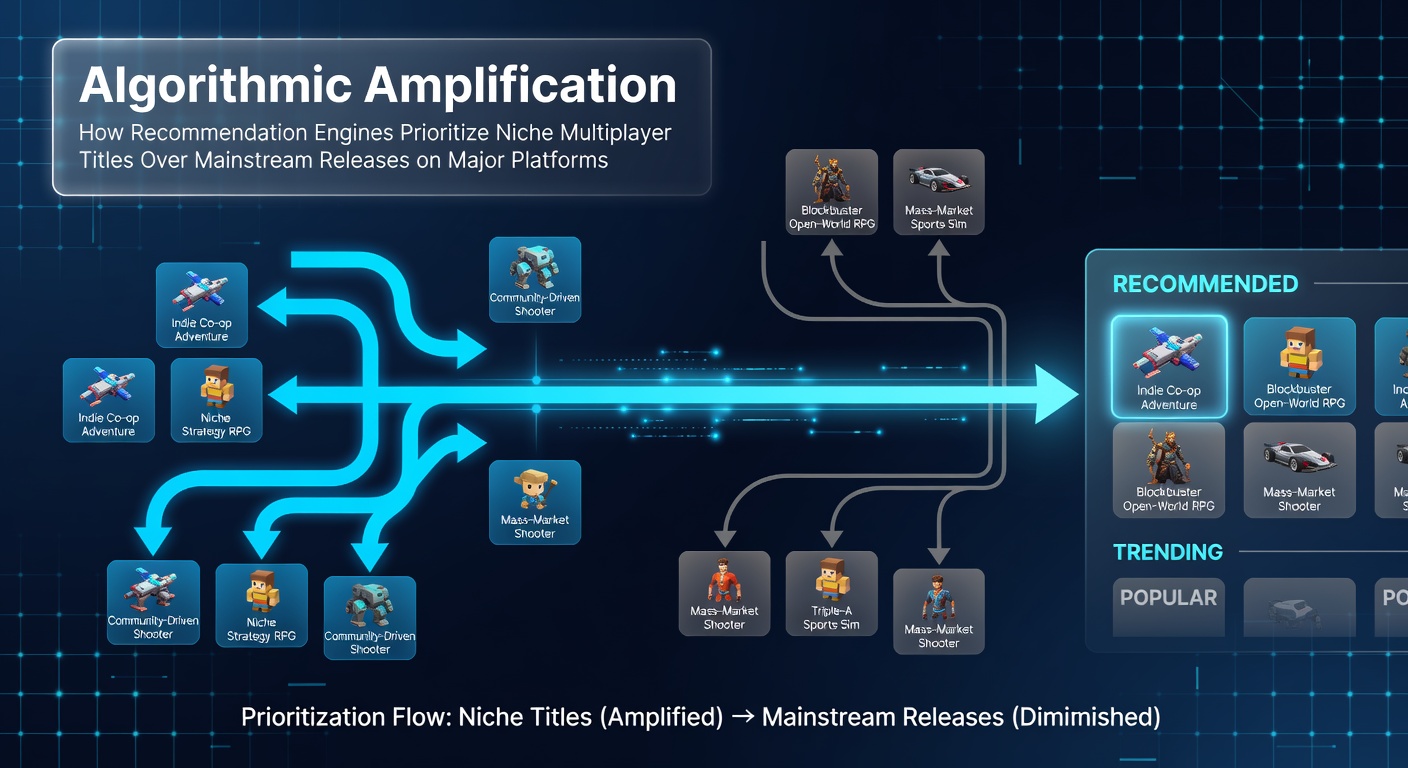
Algorithmic Amplification: How Recommendation Engines Favor Niche Multiplayer Games on Major Platforms
Recommendation engines on platforms such as Steam, the Epic Games Store, and PlayStation Network process vast amounts of user interaction data to surface titles, and observers note that these systems often elevate niche multiplayer experiences above large-scale mainstream releases because engagement metrics like session length and social sharing drive visibility rankings. Data from platform APIs shows that games with consistent player-to-player interactions generate higher retention signals, which algorithms interpret as indicators of long-term platform health.
Mechanics Behind Recommendation Prioritization
Platforms collect behavioral signals including playtime duration, friend invitations, and in-game chat frequency, then feed these into machine learning models that predict user retention; researchers at institutions like the University of California have documented how multiplayer titles with smaller but dedicated communities produce denser interaction graphs than solo-focused blockbusters, leading algorithms to assign them higher amplification weights. In June 2026, updates to Steam's discovery queue incorporated additional social graph metrics that further rewarded titles where players formed recurring groups, shifting exposure away from single-player campaigns that historically dominated launch windows.
These models rely on collaborative filtering techniques that cluster users by overlapping play patterns, and figures from industry reports indicate that niche multiplayer games achieve faster algorithmic lift because their smaller initial audiences create tight feedback loops of recommendations among connected accounts. Mainstream releases, by contrast, often flood platforms with broad but shallow initial downloads that dilute per-user engagement scores, causing the engines to deprioritize them after the first week.
Platform Data Patterns and Developer Outcomes
Analysis of public Steam charts and similar storefront telemetry reveals that titles with 500 to 5,000 concurrent players frequently outrank AAA releases in personalized recommendation carousels once they accumulate a threshold of repeat sessions, because the engines optimize for total platform time rather than peak concurrent users. Developers of games such as Deep Rock Galactic and Valheim have seen sustained algorithmic support years after launch precisely because their co-op structures maintain steady social activity metrics, whereas many high-budget single-player launches experience sharp visibility drops once initial hype metrics flatten.
Those who track platform policies point out that recommendation systems incorporate A/B testing frameworks that favor content categories producing measurable increases in cross-user connections, and this dynamic has encouraged smaller studios to design around persistent multiplayer loops from the outset. Academic studies from European research consortia have quantified how these biases influence funding decisions, with venture data showing increased investment in multiplayer prototypes that align with algorithmic preferences observed on major storefronts.
Impacts on Market Visibility and Player Discovery
Players encounter fewer mainstream titles in their daily recommendation feeds because engines surface content that maximizes session chaining, and this pattern holds across regions where data sharing agreements allow cross-platform aggregation of behavioral logs. Niche multiplayer games benefit from organic word-of-mouth amplification that feeds back into the models, creating self-reinforcing cycles documented in reports from the Entertainment Software Association. In practice this means a lesser-known co-op extraction shooter can appear in more user queues than a major open-world release if its community demonstrates higher average friends-played ratios.
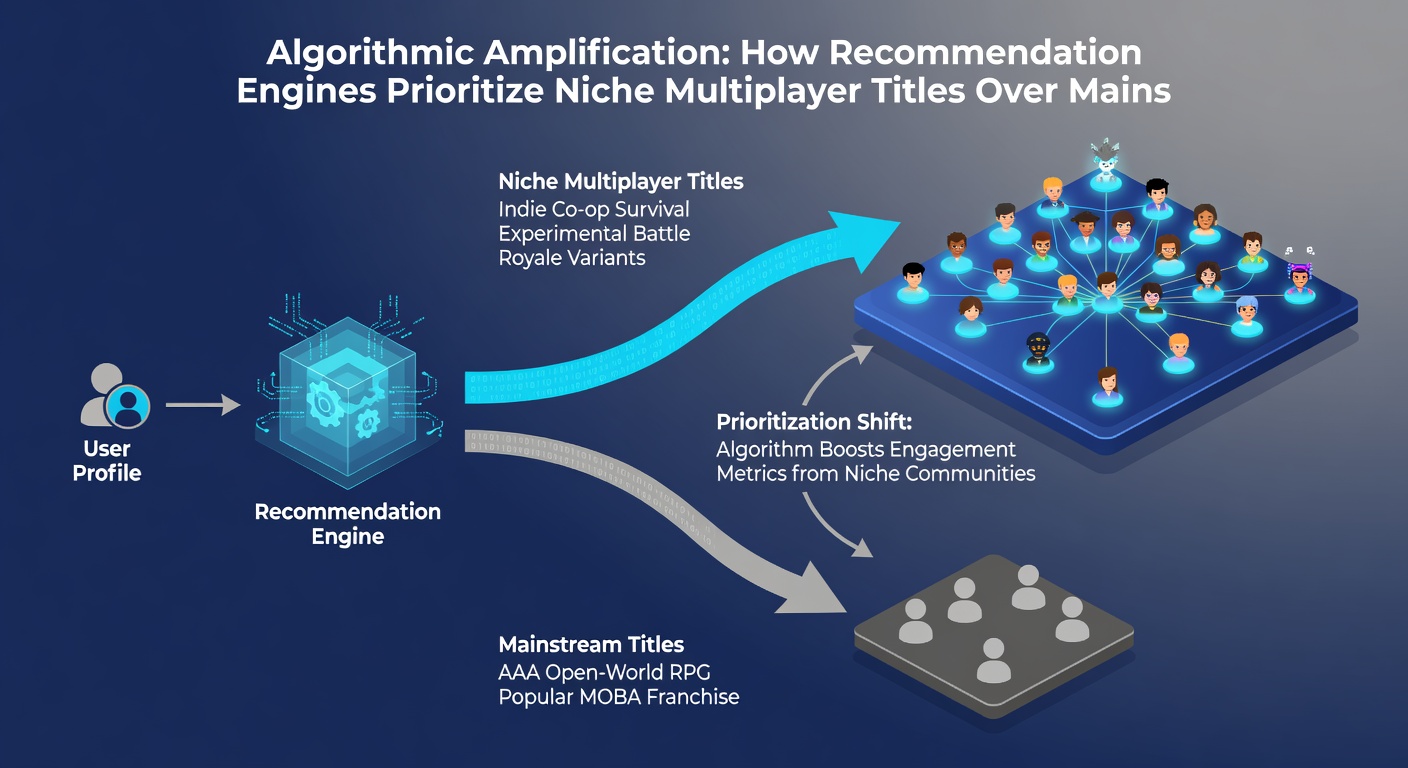
Regulatory filings from the Australian Competition and Consumer Commission have examined how such algorithmic choices affect smaller developers' ability to reach audiences, noting that transparency around ranking factors remains limited yet influences which projects secure ongoing updates and marketing budgets. Observers note that this environment rewards designs emphasizing replayability through player interaction rather than narrative scale, leading to measurable shifts in genre distribution within top recommendation slots by mid-2026.
Future Trajectories for Algorithmic Influence
Platform operators continue refining models with additional signals such as voice chat participation and custom lobby creation rates, and these refinements further separate multiplayer titles that sustain community activity from one-time mainstream experiences. Research indicates that developers adapting to these patterns achieve longer tail visibility, while titles optimized solely for launch spikes encounter steeper algorithmic penalties once early metrics plateau. The result is an ecosystem where niche multiplayer projects increasingly define discovery pathways on major digital storefronts.
Conclusion
Recommendation engines shape visibility through measurable engagement signals that consistently reward sustained multiplayer interaction over broad initial appeal, and this dynamic has restructured which games reach wider audiences on platforms like Steam and PlayStation Network. As data collection methods advance, the gap between niche titles optimized for social retention and traditional blockbuster releases continues to widen in algorithmic rankings.