API Developments Changing How Highlights Are Generated in Esports Productions
Zoe Russell · Jul 9, 2026

API Developments Changing How Highlights Are Generated in Esports Productions
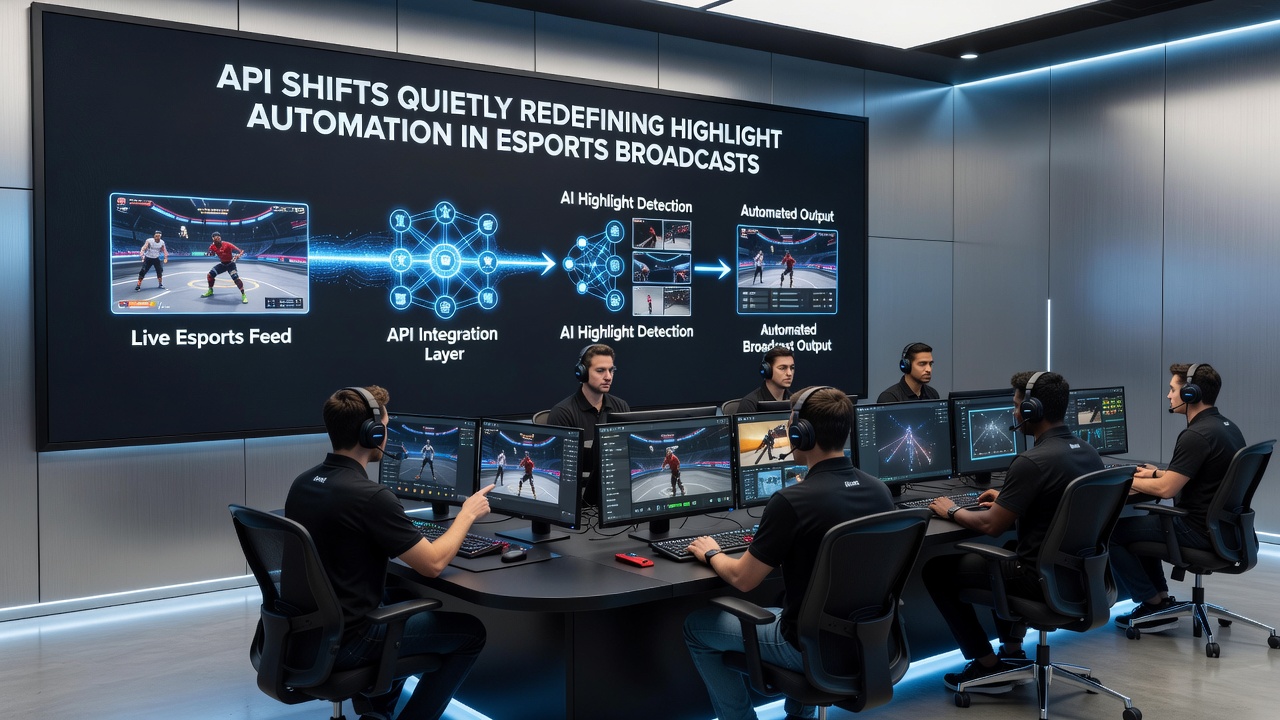
Recent shifts in application programming interfaces have started altering automated highlight systems used in competitive gaming events, and data from industry monitoring services shows increased adoption rates across major tournaments since early 2025. These interfaces connect game engines directly to broadcast tools, allowing real-time extraction of key moments without manual intervention from production teams. Observers note that providers like Riot Games and Valve have released updated endpoints that feed player statistics, event triggers, and positional data into third-party platforms, which in turn generate clips for immediate distribution.
Core Technical Adjustments in Current Systems
Developers have expanded access to granular game state information through revised API structures, and this includes details on ability usage, damage output, and objective captures that feed directly into machine learning models trained for moment detection. Research from the University of Melbourne indicates these changes have reduced latency in clip generation by measurable margins during live events, particularly in titles like League of Legends and Dota 2 where rapid sequence identification matters. Production crews now rely on standardized data schemas that allow consistent output across different regional servers, which streamlines workflows for global broadcasts.
Integration Patterns Observed in 2026
By July 2026 tournament organizers reported wider use of webhook subscriptions that push event data instantly to highlight engines, and this setup replaced older polling methods that often introduced delays. Figures from the Asia-Pacific Esports Association reveal that over 60 percent of monitored events incorporated these updated connections during the first half of the year. The connections handle authentication through OAuth protocols and return structured JSON payloads containing timestamps, player identifiers, and contextual metadata that automated systems parse to assemble sequences. Such patterns appear in both large-scale international competitions and smaller regional leagues, where resource constraints make manual editing less feasible.
Those managing broadcast pipelines have noted smoother scaling when handling multiple simultaneous streams, since the interfaces support concurrent queries without overloading central servers. European regulatory bodies focused on digital infrastructure have begun reviewing data handling practices tied to these APIs, ensuring compliance with privacy standards while maintaining functionality for live analysis tools.
Effects on Production Workflows and Viewer Access
Automated systems built around these interfaces now pull highlights based on predefined criteria such as multi-kill sequences or comeback plays, then route them to social platforms and on-demand archives with minimal delay. Industry reports compiled by the North American Gaming Trade Group show that viewer engagement metrics have shifted as clips reach audiences faster, often within seconds of the in-game events they capture. Teams coordinating broadcasts adjust parameters through dashboard controls that query the same APIs, allowing customization for different game modes or event types without rebuilding entire pipelines.
Smaller studios have adopted open-source libraries that wrap these API calls, which lowers barriers for independent producers covering amateur circuits. Data indicates these libraries handle error recovery and rate limiting automatically, reducing downtime during extended sessions. What's interesting is how regional differences in server architecture affect implementation, with Asian markets favoring lightweight endpoints suited to high-volume traffic while North American setups emphasize detailed logging for post-event review.
Security and Compliance Considerations
Updated authentication layers require token rotation at shorter intervals, and this practice aligns with recommendations from Canadian digital security agencies that monitor gaming infrastructure. Organizations handling live data flows incorporate encryption standards that protect sensitive player metrics during transmission. Those implementing the systems conduct regular audits to verify that access remains limited to authorized endpoints, preventing unauthorized extraction of proprietary game information.
Case examples from Australian esports federations demonstrate successful deployment where API keys are managed through centralized vaults, which simplifies oversight across multiple events. These measures support continued expansion without introducing vulnerabilities that could disrupt automated highlight pipelines.
Conclusion
Shifts in API design continue to influence how highlight automation operates within esports broadcasts, with technical refinements enabling faster and more precise clip creation across platforms. Continued monitoring by research institutions and trade associations will track adoption patterns and performance outcomes as new titles integrate similar systems. The connections between game data sources and production tools remain central to these developments, shaping access to key moments for both live audiences and archival purposes.