Biometric Feedback Loops: How Wearable Tech Influences Decision-Making in Live Esports Streams
Henrik Reed · May 26, 2026
Biometric Feedback Loops: How Wearable Tech Influences Decision-Making in Live Esports Streams
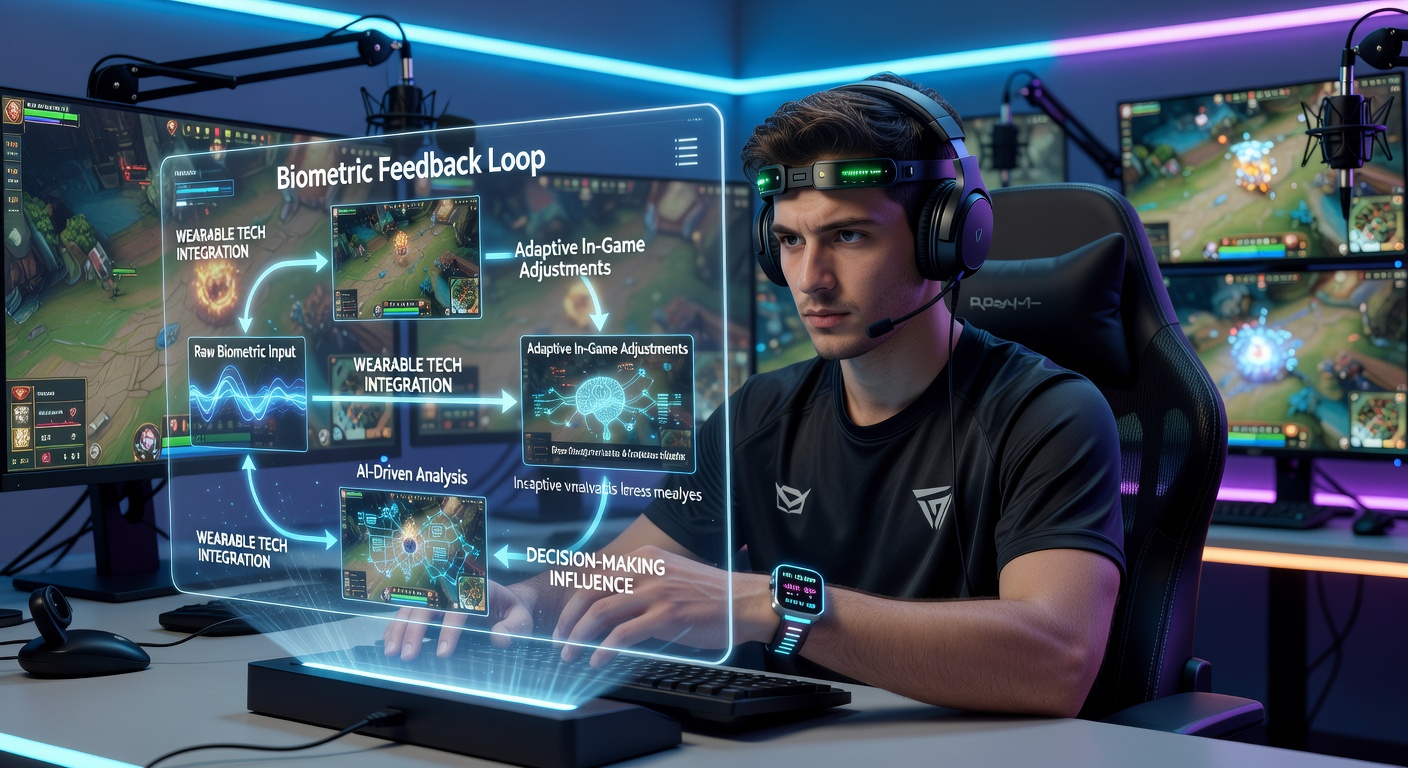
Biometric feedback loops integrate data from wearable devices directly into live esports broadcasts, where heart rate variability, skin conductance, and brainwave patterns feed real-time adjustments for players and production teams alike. Researchers at institutions across North America and Europe have documented how these systems transmit physiological signals that influence split-second choices during competitive matches, and data from major tournaments in early 2026 shows adoption rates climbing steadily among top-tier organizations.
Core Components of Wearable Integration
Modern setups combine chest straps, wrist sensors, and lightweight headbands that capture metrics such as elevated cortisol indicators through galvanic skin response while players navigate high-stakes scenarios in titles like League of Legends or Valorant. These readings route through secure APIs to overlay dashboards visible only to coaches or to trigger subtle audio cues in a competitor's earpiece, and the International Esports Federation has tracked similar implementations across events held in Asia-Pacific regions since late 2025. Observers note that when a player's pulse spikes above baseline thresholds during a critical round, teams often shift from aggressive pushes to defensive positioning without verbal communication, because the loop delivers the information faster than chat or comms can handle.
Influence on In-Game Choices During Broadcasts
Live streams now incorporate anonymized biometric graphs that appear alongside kill feeds and economy panels, allowing viewers to correlate physiological stress with decision patterns such as unexpected retreats or resource hoarding. Studies conducted by university labs in Australia and Canada indicate that players receiving haptic feedback from their own wearables tend to reduce impulsive engages when arousal levels climb, whereas those without the data maintain higher risk profiles throughout matches. Production crews use the same streams to cue commentator segments that highlight tension peaks, and this synchronization has become standard in circuits operating under guidelines from bodies like the U.S. Consumer Technology Association.
One documented case from a May 2026 regional qualifier revealed how a mid-laner adjusted itemization mid-fight after receiving a brief vibration alert tied to rising stress markers, resulting in a preserved ultimate ability that turned the objective outcome. The adjustment occurred without disrupting flow because the wearable interface minimized cognitive load, and similar patterns appear in data logs released by tournament organizers in the European Union.
Viewer Engagement and Production Adjustments
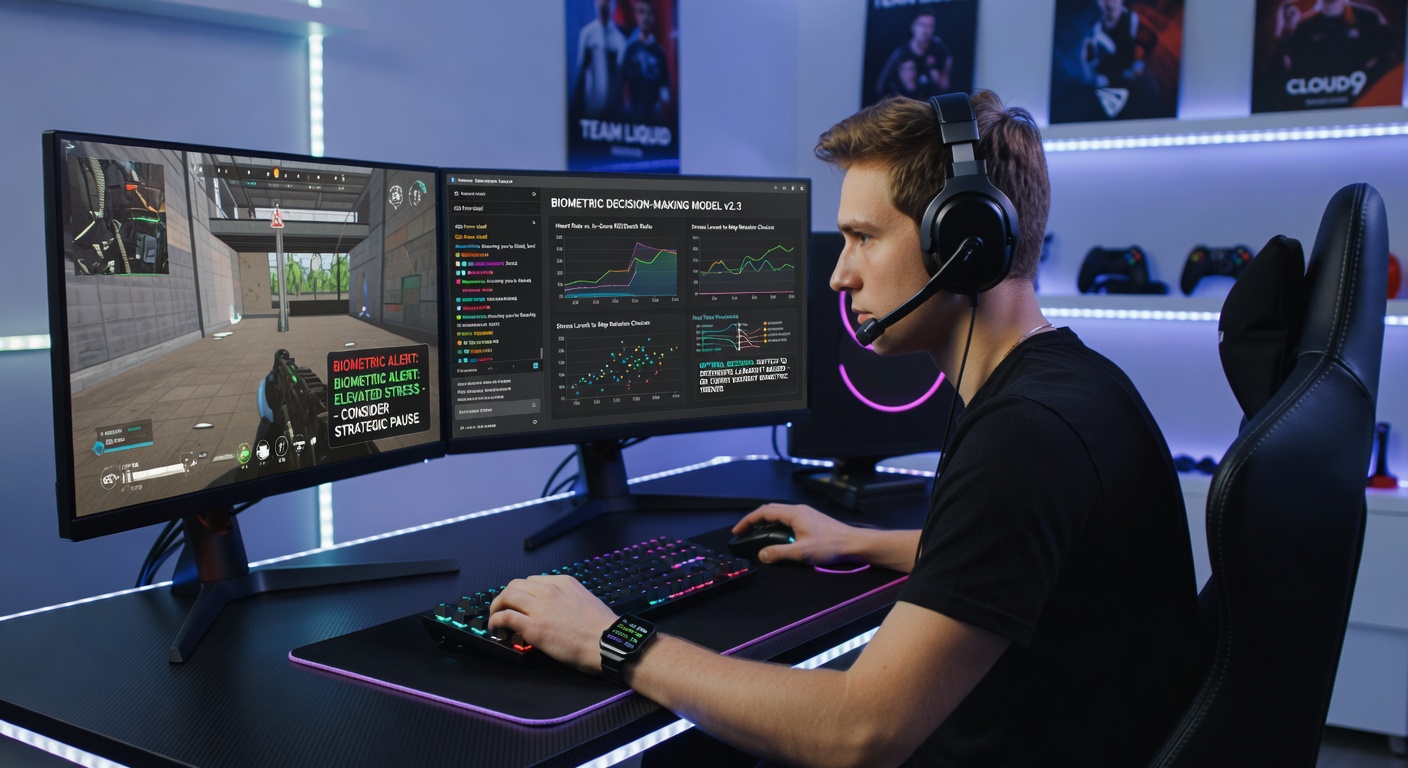
Broadcast teams route select biometric highlights into picture-in-picture elements that update dynamically, and this practice draws from research published by the Entertainment Software Association showing increased retention when audiences see direct correlations between player state and on-screen actions. Commentators reference these spikes to explain why a previously dominant team suddenly rotates toward safer map quadrants, yet the underlying algorithms filter raw data to prevent overload. Regulatory frameworks in several jurisdictions now require explicit consent protocols before any biometric stream reaches public view, which has standardized practices across North American and Oceanic competitions.
Technical Infrastructure and Data Handling
Edge computing nodes process the incoming signals within milliseconds so that feedback remains synchronized with game state, while encryption standards prevent interception during transmission from arena to remote viewers. Industry reports compiled by research groups in Singapore highlight how latency under 50 milliseconds preserves the loop's effectiveness, allowing players to act on physiological cues before opponents notice behavioral shifts. Teams that integrate these systems report more consistent performance across multi-day events because recovery prompts, such as breathing reminders, activate automatically when recovery metrics dip below set parameters.
Conclusion
Biometric loops continue to embed deeper into esports infrastructure as sensor accuracy improves and regulatory clarity expands, with data flows shaping both individual decisions and collective strategies in real time. Organizations that adopt these tools gain measurable edges in adapting to stress indicators during live events, and ongoing studies from varied global regions will likely refine how such feedback integrates without compromising competitive integrity.