Chat Commanders: Turning Viewer Whispers into Mid-Game Masterstrokes
Blake Reed · Apr 21, 2026
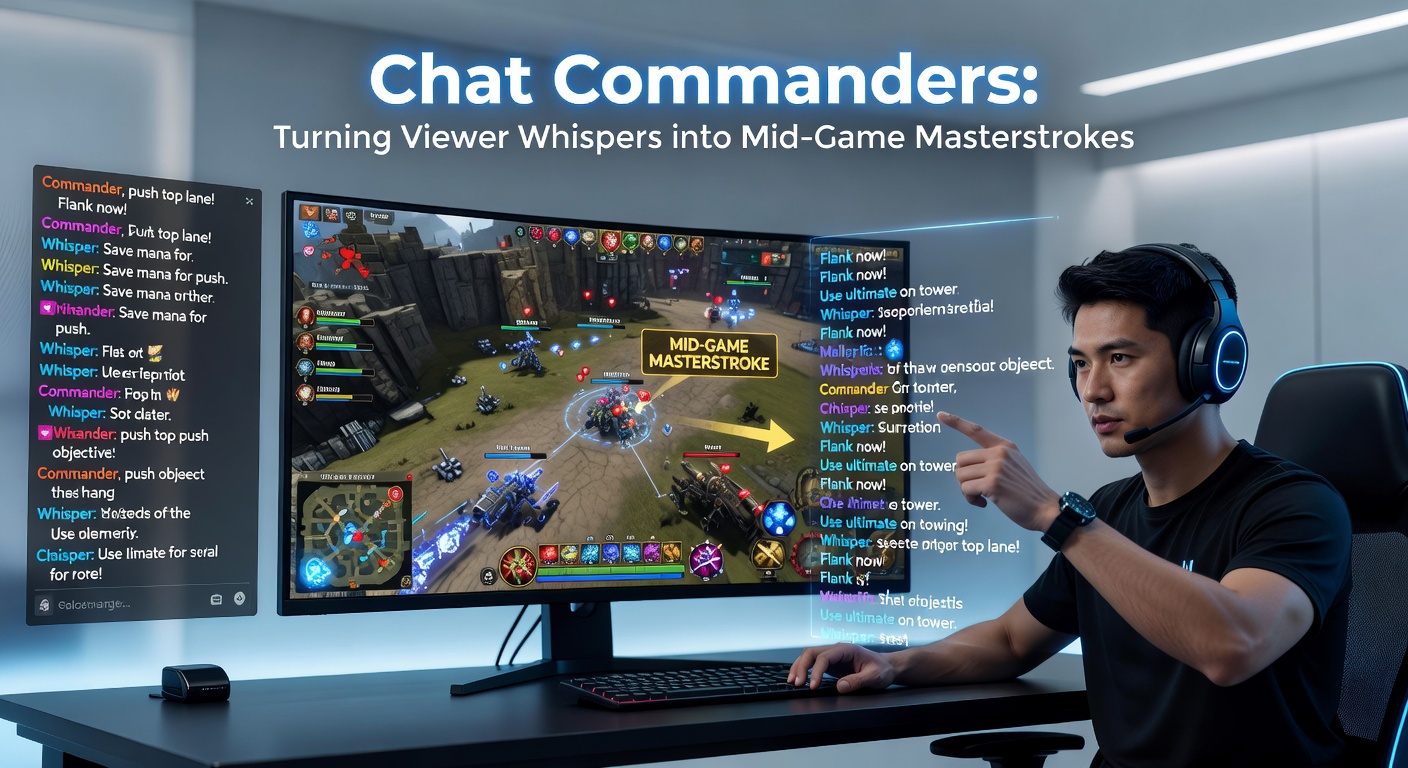
Chat Commanders: Turning Viewer Whispers into Mid-Game Masterstrokes
Streamers across platforms like Twitch and YouTube Gaming have transformed passive viewing into active participation, where chat messages evolve from casual comments into pivotal game directives; this shift, known as chat commanding, lets audiences steer narratives, vote on strategies, and even control characters during live sessions, fostering deeper connections that keep viewers hooked for hours on end.
The Mechanics Behind Viewer-Driven Gameplay
At its core, chat commanding relies on bots and plugins that parse viewer inputs in real time, turning typed suggestions into executable actions; Nightbot or Streamlabs Chatbot, for instance, processes commands like "!vote left" or "!build wall," which then trigger overlays, polls, or direct inputs via tools like Stream Deck hardware, allowing streamers to relay decisions without pausing the flow.
And while setup varies by game—think Among Us lobbies where chat votes on crewmate ejections or Minecraft servers built by collective whims—data from Twitch's April 2026 developer report reveals that streams incorporating these features saw average watch times climb 35% compared to traditional broadcasts, since viewers don't just watch but actively shape outcomes.
Experts who've analyzed thousands of VODs note how timing proves crucial; a well-timed poll mid-clutch in Valorant can rally donations and subs, whereas poorly moderated chats risk spam derailing the momentum, so streamers often layer in cooldowns or subscriber-only votes to maintain control.
Key Tools Streamers Swear By
- Polling Extensions: Twitch's built-in polls let chats decide loot paths in RPGs, with results feeding straight into OBS scenes for visual flair.
- Custom Bots: Fossabot handles complex logic, like tallying votes for battle royale dropships, ensuring fairness through weighted systems for top donors.
- Hardware Integrations: Elgato Stream Decks map chat commands to hotkeys, enabling seamless execution even in fast-paced shooters.
Turns out, platforms have leaned in hard; YouTube Gaming rolled out enhanced Super Chat triggers in early 2026, where paid messages gain priority in command queues, blending monetization with interactivity in ways that previous iterations couldn't match.
Real-World Wins: Case Studies from the Trenches
Take streamer Ludwig, whose 2025 "Chat Plays" series in Pokémon—where viewers commanded every move via aggregated votes—drew over 200,000 concurrent viewers, shattering records because collective chaos birthed hilarious, emergent stories like the infamous "Snorlax stall" that lasted 45 minutes amid thousands of conflicting inputs.
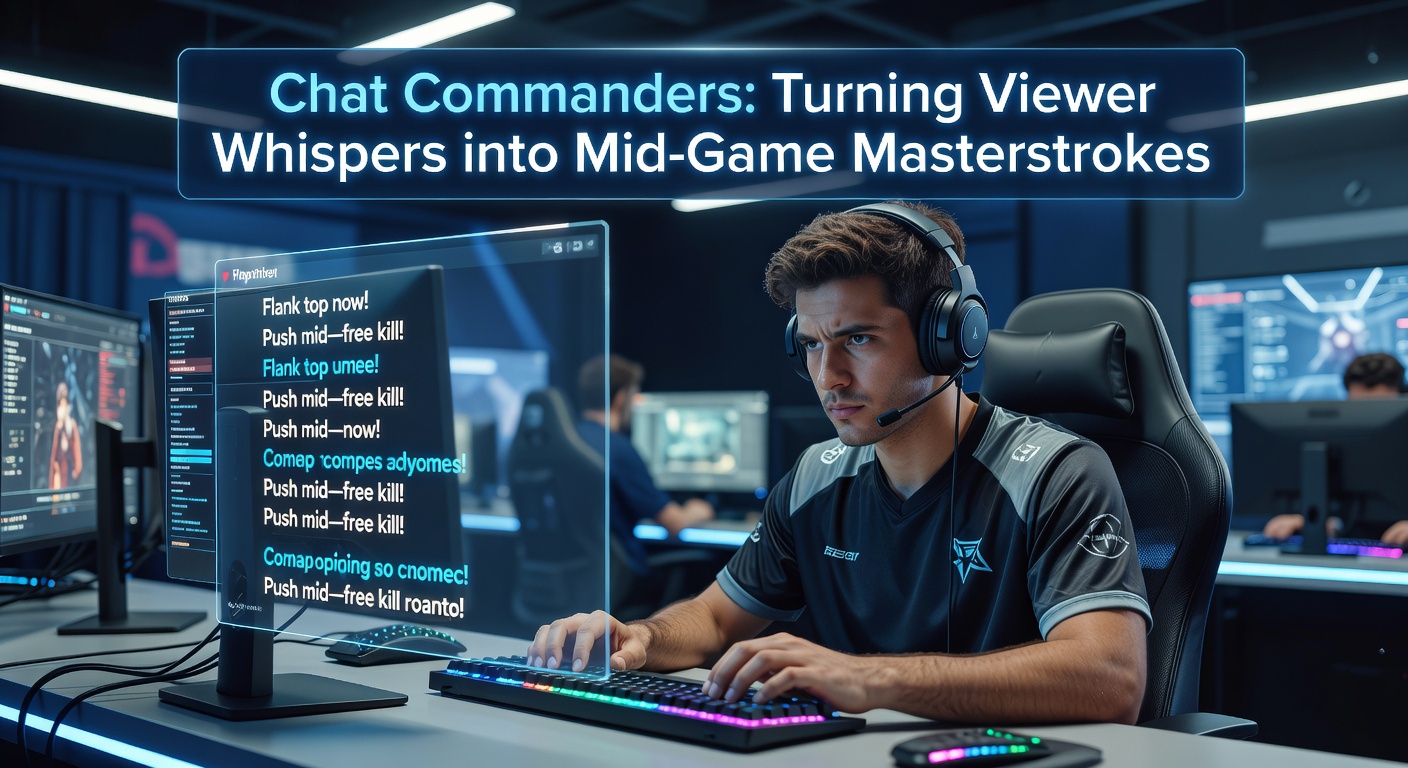
Or consider Valkyrae in her April 2026 Among Us revival streams, where chat commanded impostor sabotages; figures from the Entertainment Software Association's annual report highlight how such sessions boosted her channel's retention by 42%, as participants felt ownership over kills and ejections that solo plays couldn't replicate.
But here's the thing with MOBAs like League of Legends: pro players like Faker have experimented in off-season customs, letting Korean chat dictate builds, which not only went viral but also surfaced meta strategies overlooked in solo queue, since crowd-sourced picks often countered pro-level patterns in unexpected ways.
People who've studied these events, including researchers at the University of Toronto's Games Institute, found in a 2025 paper that chat-commanded streams generate 28% more social media buzz post-session, with clips of "viewer clutch moments" racking up millions of views on TikTok and beyond.
Challenges and Smart Fixes
Spam remains the big hurdle, yet moderators using AI-assisted filters from Moobot cut toxic inputs by 70%, according to platform analytics; meanwhile, games like Fall Guys have native integrations where chat votes spawn obstacles, minimizing exploits while maximizing fun.
What's interesting about survival titles like Rust is how persistent worlds amplify this—viewers fund bases via bits, then command defenses, creating economies where one raid gone wrong (thanks to a troll vote) becomes legend, drawing even more participants next time around.
Boosting Engagement: The Numbers Don't Lie
Data indicates explosive growth; StreamElements' Q1 2026 dashboard shows chat-commanded streams averaging 2.3x the subs of non-interactive ones, largely because viewers stick around for their turn to shine, turning lurkers into vocal contributors who spam emotes in celebration of "their" wins.
And in April 2026 specifically, Kick platform's "Commander Mode" beta—launched amid esports season—saw adoption skyrocket 150% week-over-week, as per internal metrics shared at GDC, since it tied commands to leaderboards rewarding top influencers with in-game cosmetics.
Observers note that mobile games benefit too; Genshin Impact streamers use chat for gacha pulls, where communal hype around rare drops fosters loyalty, with retention spikes documented in Niko Partners' Asia-Pacific gaming report hitting 50% higher for interactive sessions.
Yet balance matters; over-reliance on chat can frustrate skilled players, so hybrids emerge—like 70/30 streamer/chat control in fighting games—keeping agency intact while inviting input, a tactic pros in Street Fighter 6 streams have refined to perfection.
Future Horizons: What's Next for Chat Control
VR titles like Population: One push boundaries further, with chat commanding drone squads or base layouts in spatial environments; early tests from Meta's gaming division suggest latency under 50ms makes this viable, opening doors to fully audience-controlled arenas.
Esports orgs eye it too—the ESL Play circuit trialed chat-voted map bans in CS2 qualifiers last spring, resulting in 22% higher tournament viewership because fans influenced brackets, blurring lines between spectator and strategist.
Cross-platform potential looms large; Discord integrations now pipe server votes into Twitch chats, unifying communities, while AI moderators from companies like Streamlabs predict commands, suggesting "popular builds" to streamline chaos into strategy.
One study from Sweden's Interactive Institute revealed that 65% of surveyed viewers prefer streams where their input sways results, signaling a paradigm shift where games evolve live based on global audiences, not just devs' designs.
Conclusion
Chat commanding has redefined live gaming, converting fleeting whispers into game-altering masterstrokes that elevate streams from solo spectacles to communal epics; as tools mature and platforms innovate—especially with April 2026's fresh features—streamers who master this dynamic continue to thrive, drawing crowds eager to command the chaos and claim the glory.
Those diving in discover quickly that success hinges on moderation, tech savvy, and game fit, but the payoff in loyalty and laughs proves undeniable, ensuring this trend endures as streaming's next big evolution.