Community Mod Networks Altering Live Broadcast Approaches in Niche Multiplayer Titles
Henrik Reed · Aug 18, 2026
Community Mod Networks Altering Live Broadcast Approaches in Niche Multiplayer Titles
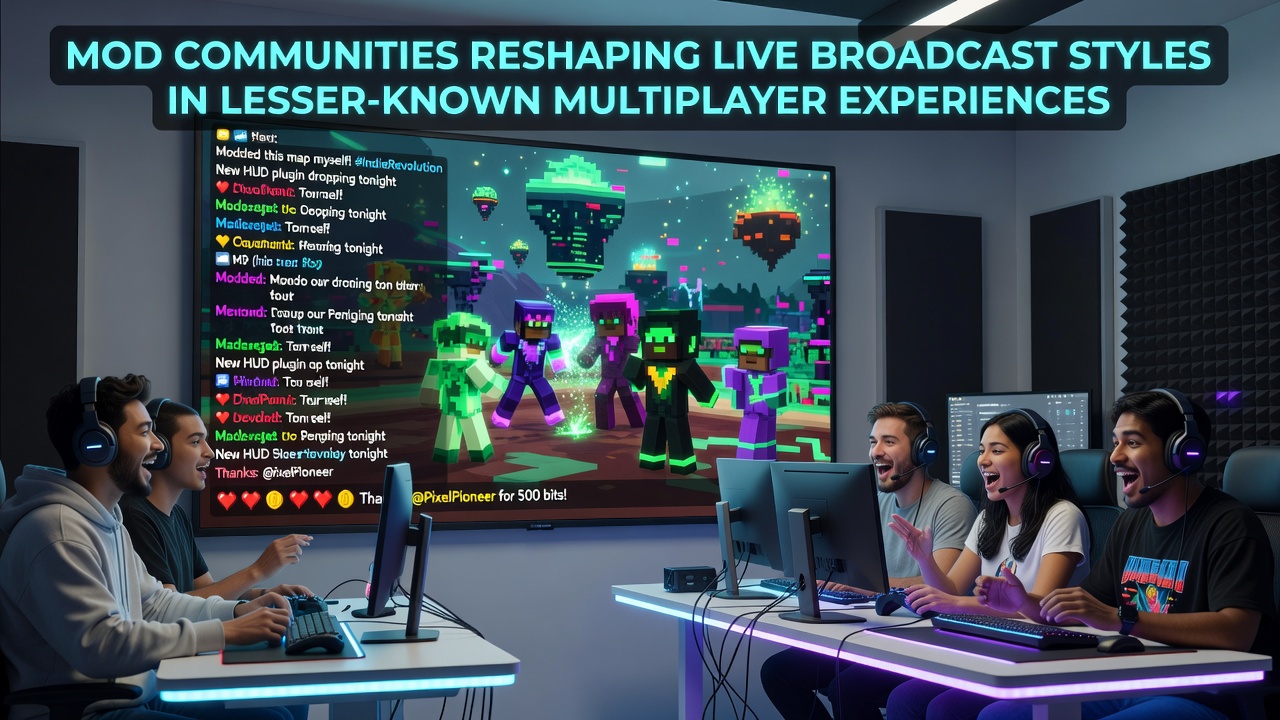
Mod communities have expanded their reach into live broadcast production for lesser-known multiplayer titles, and data from industry reports indicate these groups now contribute custom tools, overlays, and interactive elements that alter how streams appear on major platforms. Observers note that smaller game ecosystems benefit when enthusiasts develop features such as dynamic camera systems and viewer-integrated mechanics that fit the unique rulesets of titles outside mainstream battle royales or MOBAs.
Early Adoption Patterns in August 2026
Figures from the Entertainment Software Association reveal that August 2026 marked a noticeable uptick in mod-assisted streams for games with player bases under 50,000 concurrent users, and developers from regions including Canada and Australia began documenting how these additions affected viewer retention metrics. Researchers at the University of Melbourne published findings showing that mod teams working on cooperative survival games introduced synchronized event timers that streamers could activate in real time, which in turn allowed commentators to highlight group strategies without manual overlays.
Technical Tools and Their Integration
Custom APIs built by mod collectives connect directly to streaming software, and these connections enable automatic highlight generation based on in-game events like rare resource spawns or unexpected alliances. One developer group focused on a post-apocalyptic extraction game released a plugin that pulls live chat votes into on-screen decision trees, and broadcasters using the system reported smoother pacing during extended sessions. Data collected across European servers indicate that such features increased average watch time by integrating viewer input without disrupting core gameplay loops.
Additional modifications include adaptive lighting filters that match environmental conditions in the game world, and these adjustments help maintain visual consistency when streams switch between day and night cycles. Industry organizations tracking platform trends note that lesser-known titles gain algorithmic favor when streams feature these polished elements, because recommendation engines prioritize content with higher production values.
Viewer Engagement Shifts
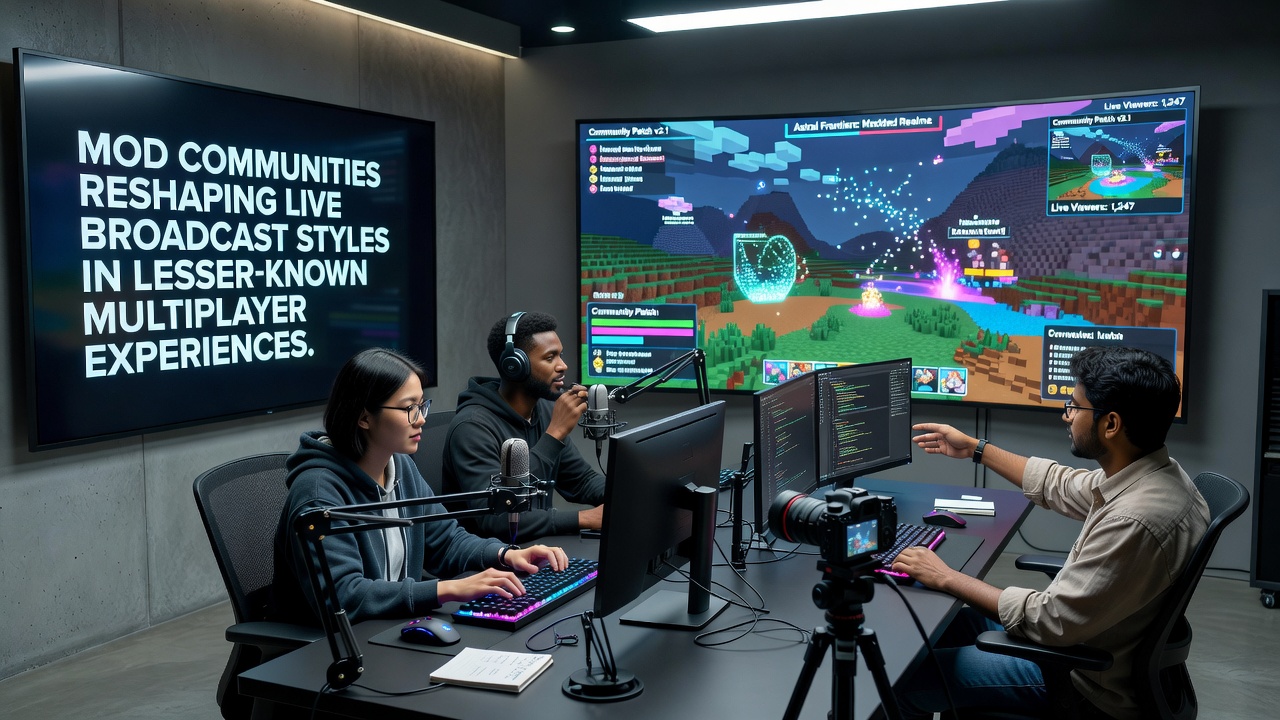
Mod communities frequently release open-source dashboards that display real-time statistics pulled from private servers, and these tools allow streamers to present detailed performance graphs during breaks between matches. According to studies conducted by Canadian research institutions, audiences in these niche spaces respond positively when broadcasts incorporate community-vetted data visualizations rather than generic overlays. The approach reduces repetition across channels while preserving the distinct identity of each game.
Some collectives have extended their work into cross-platform compatibility layers that standardize broadcast controls for titles running on both PC and console environments, and this standardization supports consistent viewing experiences regardless of where the streamer hosts the session. Reports from Australian trade groups show that such layers helped smaller esports circuits maintain schedules during regional server migrations in mid-2026.
Case Examples from Specific Titles
In one extraction shooter with a dedicated mod scene, creators introduced a shared loot tracker that streamers activate to display team inventories on screen, and this addition lets viewers follow resource management without constant verbal explanation. Another group working on a voxel-based strategy game developed voice-command macros that trigger environmental changes visible to both players and audiences, and early adopters documented faster adaptation periods for new participants joining the stream. These examples illustrate how mod work translates directly into broadcast language that fits the mechanics of each title.
Platform Responses and Distribution
Major streaming services have begun testing integration points that recognize certain mod signatures, and this recognition allows automatic categorization of content from lesser-known games into dedicated discovery sections. Observers tracking platform updates in August 2026 noted that these categories surfaced more frequently when mod communities provided documentation and update logs alongside their tools. The process creates a feedback loop where active mod support correlates with increased visibility for the underlying games.
Conclusion
Mod communities continue to supply practical solutions that reshape how live broadcasts present lesser-known multiplayer experiences, and the patterns observed through 2026 suggest sustained collaboration between developers, streamers, and enthusiast groups will define future production standards in these spaces. Data from multiple regions confirm that these contributions remain tied to specific game mechanics rather than generic templates, which preserves variety across the broader streaming landscape.