Cross-Platform Ripple Effects: How Mobile Game Streaming Trends Influence Console Esports Tournament Formats and Viewer Demographics
Blake Reed · May 17, 2026
Cross-Platform Ripple Effects: How Mobile Game Streaming Trends Influence Console Esports Tournament Formats and Viewer Demographics
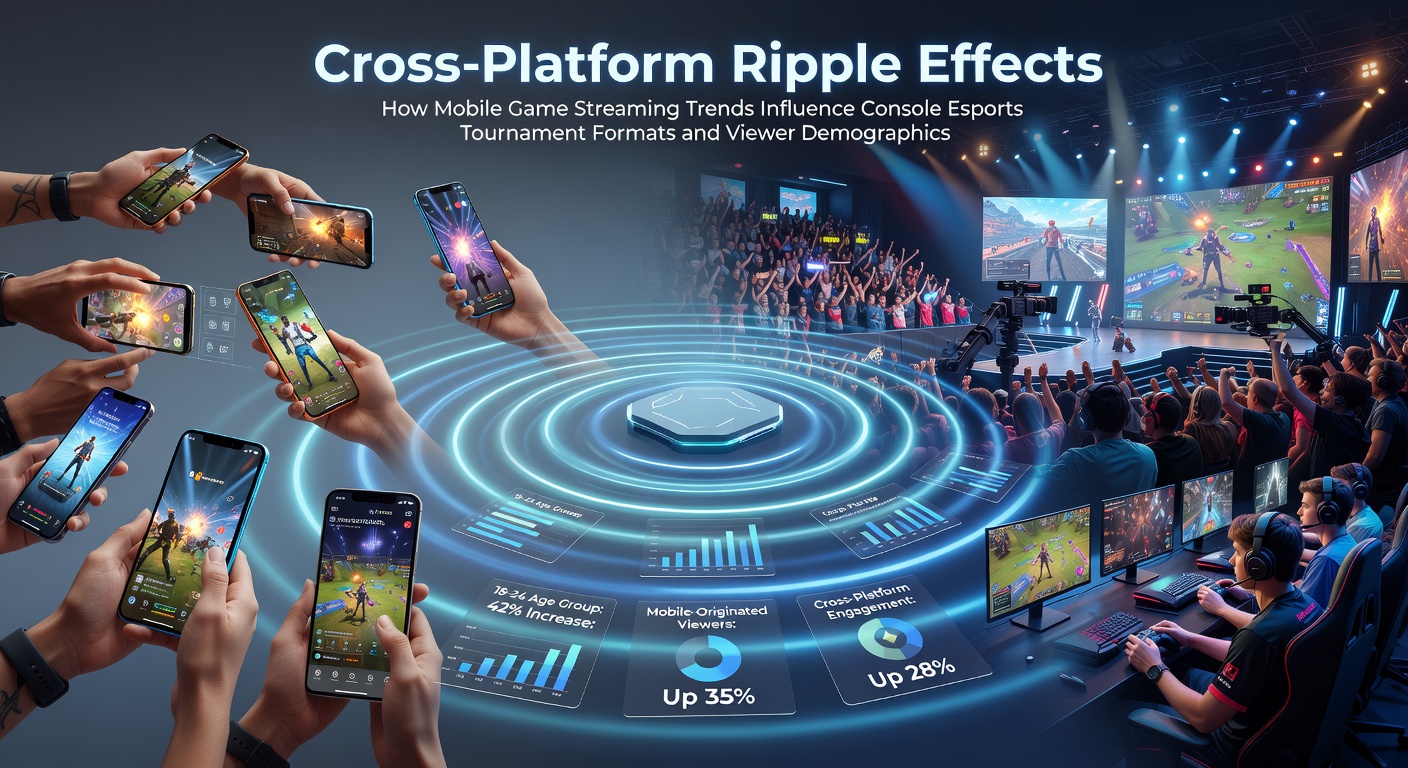
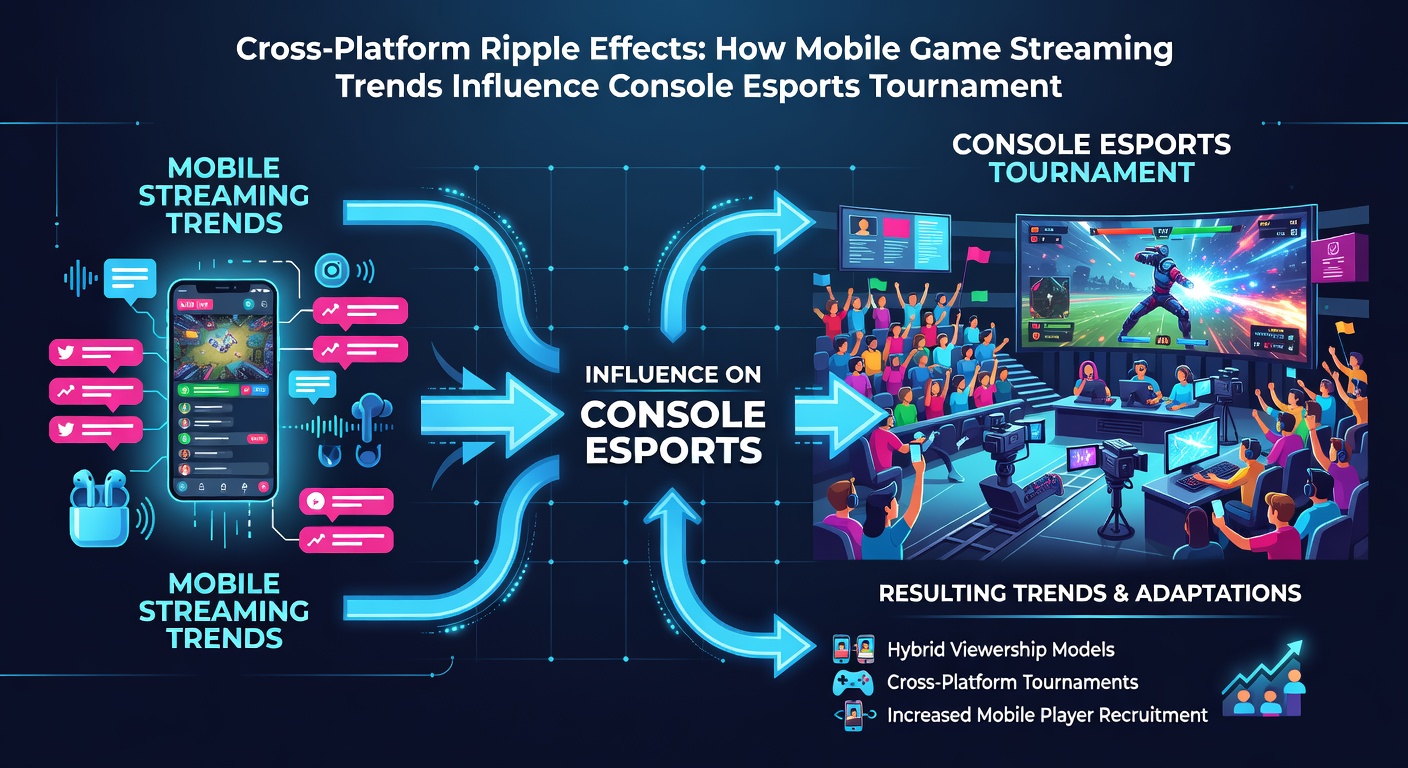
Console esports events have adapted their structures in response to mobile game streaming patterns that emphasize quick matches, global accessibility, and interactive viewer features, while viewer demographics have expanded beyond traditional console users toward younger participants who engage primarily through handheld devices and short-form content.
Mobile Streaming Growth Patterns
Platforms hosting mobile titles such as PUBG Mobile and Clash Royale have recorded steady increases in watch time over recent years, and these trends have prompted console tournament organizers to examine how shorter session lengths and real-time chat integration might translate to larger-scale productions. Data from industry trackers indicate that mobile streams often feature frequent viewer polls and instant feedback loops, elements that console events began testing in 2025 to maintain engagement across mixed device audiences.
By May 2026 several North American leagues had introduced mobile companion apps for console championships, allowing spectators to vote on map selections or predict match outcomes directly from their phones, and this approach mirrors mechanics already common in mobile esports broadcasts. Researchers at institutions like those affiliated with the University of Waterloo have documented how such tools correlate with higher retention rates among viewers aged 18 to 24 who split attention between multiple screens.
Adjustments in Tournament Structures
Formats for console competitions have shifted toward hybrid brackets that include mobile qualifiers, and this change accommodates players who develop skills on touchscreens before transitioning to controllers. Organizers cite the need to mirror the rapid qualification cycles seen in mobile circuits, where daily or weekly tournaments feed into monthly finals rather than relying solely on lengthy regional qualifiers that span several months.
One notable example involves a major battle royale series that reduced its main-stage matches from 90 minutes to 45-minute segments in early 2026, a move aligned with average mobile stream durations and intended to retain viewers who consume content during commutes or breaks. These adjustments coincide with increased use of cross-play features that let mobile streamers participate in console lobbies during exhibition matches, creating seamless transitions that keep audiences invested across device types.
Demographic Shifts Among Viewers
Audience composition for console esports has broadened as mobile streaming habits attract participants from regions with limited access to high-end hardware, and reports from the Canadian Media Fund highlight growth in viewership from suburban and rural areas where smartphones serve as primary gaming devices. This expansion includes more female and non-binary spectators who engage through mobile clips shared on short-video platforms before tuning into full console broadcasts.
Figures released by the Entertainment Software Association reveal that the proportion of viewers under 18 watching console events rose notably between 2024 and 2026, partly because mobile-first audiences discover console tournaments through clips edited for vertical formats. Those who've analyzed chat data note that interaction spikes occur when console streams incorporate mobile-style overlays such as live donation tickers and emoji reactions, features that originated in handheld game communities.
Regional Variations and Platform Responses
European leagues have responded by scheduling late-evening console matches timed to align with peak mobile streaming hours in Asia and Australia, creating staggered global viewership windows that extend overall reach. In contrast, some North American organizers have kept traditional prime-time slots but added mobile-only viewing options with simplified interfaces to capture on-the-go audiences.
What's interesting is how these scheduling tweaks have influenced sponsorship strategies, with brands targeting younger demographics through in-stream mobile challenges that feed into console highlights. Observers tracking platform algorithms point out that recommendation engines now surface console content to users who previously watched only mobile titles, accelerating cross-pollination of fan bases.
Conclusion
Console esports continues to evolve under the influence of mobile streaming conventions that prioritize speed, accessibility, and multi-device participation, resulting in tournament formats that blend qualification pathways and viewer tools from both ecosystems while demographic data shows sustained growth in younger and geographically diverse audiences. These developments reflect ongoing adaptation rather than isolated changes, and further integration appears likely as platforms refine their approaches to shared content ecosystems.