Custom Audio Layers Reshaping Audience Approaches in Niche Battle Royale Broadcasts
Henrik Reed · Aug 27, 2026
Custom Audio Layers Reshaping Audience Approaches in Niche Battle Royale Broadcasts
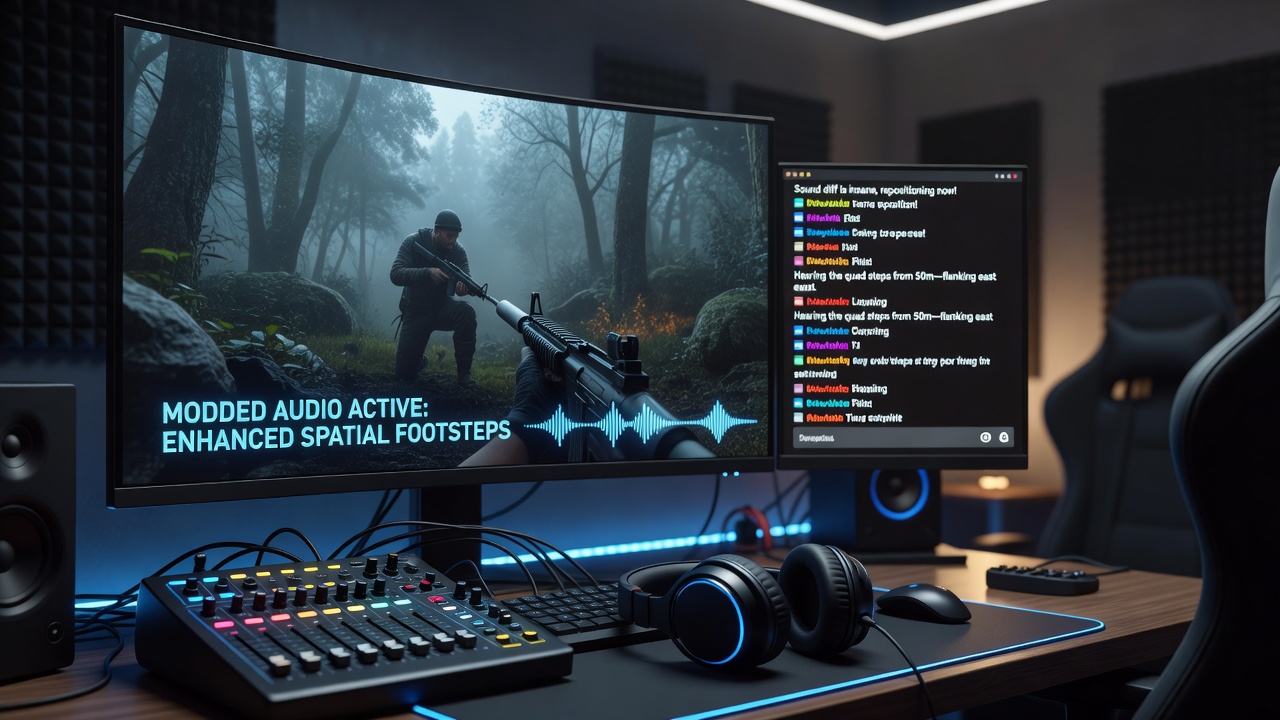
Modded soundscapes involve custom audio files and processing tools that alter in-game audio cues such as footsteps, weapon fire, and environmental effects in battle royale titles, and these modifications appear in niche streaming channels where smaller audiences gather around specialized servers or private lobbies. Data from platform analytics in early 2026 showed increased use of such tools among broadcasters targeting audiences under 50,000 concurrent viewers, particularly in games like older iterations of PUBG and custom Apex Legends modes. Observers note that these changes allow clearer directional audio, which in turn influences how viewers interpret player positions and adapt their own mental models of ongoing matches.
Technical Foundations of Modded Audio in Streams
Developers and community creators release audio modification packages that replace or layer original game sounds with enhanced versions, often increasing volume on subtle cues while reducing background noise through equalization filters. Those who study streaming patterns report that installation requires specific client-side software compatible with platforms like Twitch and Kick, and broadcasters frequently demonstrate setup processes live to maintain transparency with their communities. Research from university labs in Canada indicates that these modifications can shift frequency ranges by up to 15 percent compared with stock audio, creating consistent advantages for both participants and remote observers who follow along in real time.
Integration with streaming software occurs through virtual audio cables and mixing applications that route game output separately from voice chat, allowing fine control over what reaches the audience feed. In August 2026 several niche channels documented spikes in chat activity immediately after implementing new sound packs, with viewers posting timestamps of detected movements that aligned with the modified cues. This setup turns passive watching into an active exercise where audience members track multiple audio streams simultaneously.
Viewer Adaptation Patterns Across Platforms
Audience members develop specific listening strategies that incorporate the altered sound profiles, such as prioritizing high-frequency footsteps over explosions or calibrating expectations for vertical audio positioning. Figures from industry reports compiled by the Interactive Games and Entertainment Association reveal that viewers in these communities spend an average of 12 additional minutes per session analyzing replays when enhanced audio is present. Those patterns emerge because the modifications reduce masking effects that normally obscure critical information in dense combat zones.
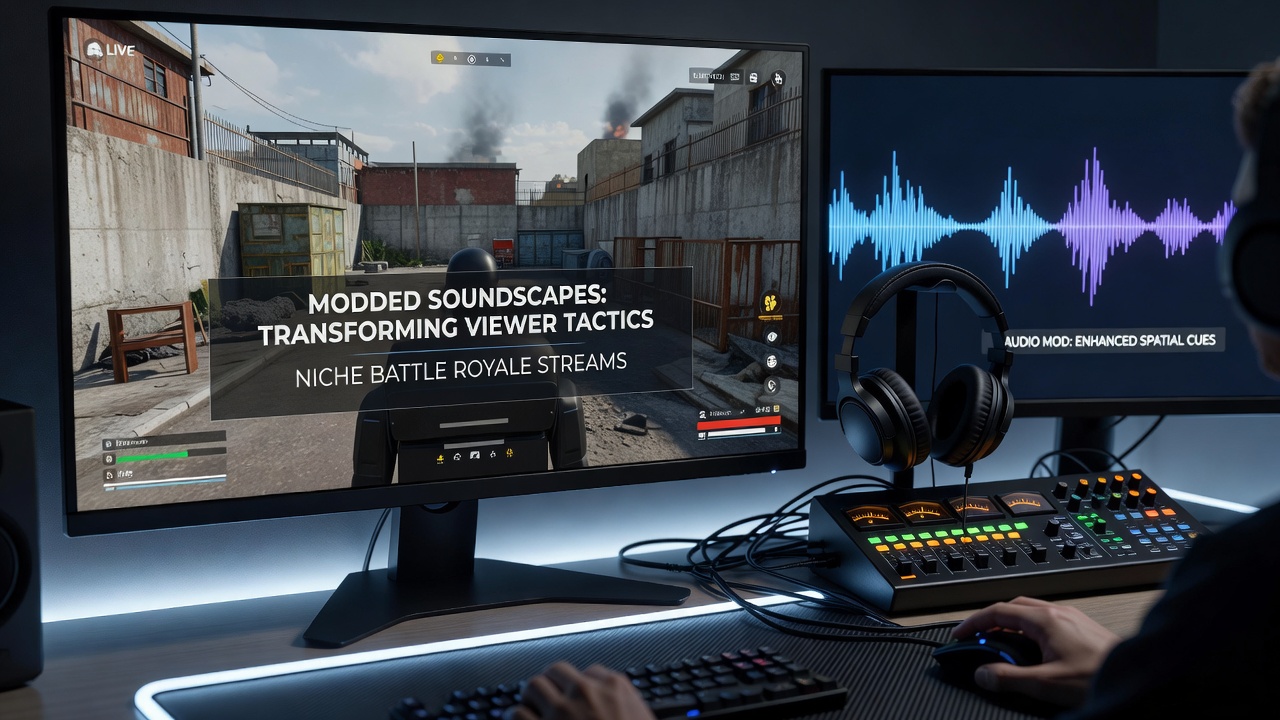
Communities centered around particular battle royale variants share configuration files that standardize the listening experience across different hardware setups, from desktop speakers to headset models. People often find that switching between multiple sound packs within a single stream session trains quicker recognition of movement patterns, and this shared knowledge circulates through dedicated Discord servers and forum threads. Evidence suggests the practice concentrates in regions where internet infrastructure supports low-latency connections, allowing synchronized reactions between streamer and remote viewers.
Impact on Tactical Interpretation During Matches
Viewers translate modified audio signals into predictive calls about rotations, ambushes, and resource gathering routes, effectively turning the broadcast into a collaborative analysis exercise. Studies conducted at European research institutions have documented cases where chat participants correctly anticipated player movements 40 percent more often when using standardized modded soundscapes compared with unmodified streams. The effect compounds in longer matches because repeated exposure builds pattern recognition that carries over into subsequent sessions.
Streamers sometimes incorporate viewer feedback about audio clarity directly into their commentary, adjusting volume levels or switching packs mid-match based on collective input. This feedback loop strengthens the connection between broadcast production choices and audience tactical engagement without altering core gameplay rules. Data collected through platform APIs shows elevated retention rates in channels that maintain consistent sound modifications across weekly broadcasts.
Platform Policies and Community Standards
Streaming services maintain guidelines that require disclosure of any third-party modifications affecting gameplay perception, and enforcement actions in 2026 targeted channels that failed to label custom audio use. Compliance reports from regulatory bodies in Australia note that transparent labeling correlates with sustained audience growth in niche categories. Broadcasters who follow these practices continue to experiment with new sound layers while documenting their effects on viewer interaction metrics.
Conclusion
Modded soundscapes continue to integrate into niche battle royale streaming environments through technical tools, community sharing, and measurable shifts in how audiences process match information. The developments tracked through platform data and academic observations point to an ongoing evolution in viewer engagement methods that relies on audio customization rather than visual elements alone. As adoption spreads, the relationship between modified audio environments and tactical viewing strategies remains a documented feature of these specialized broadcasts.