Developer Patch Cycles Reshape Viewer Interaction Patterns in Niche Multiplayer Titles Through Real-Time Feedback Loops
Avery Russell · Jul 28, 2026
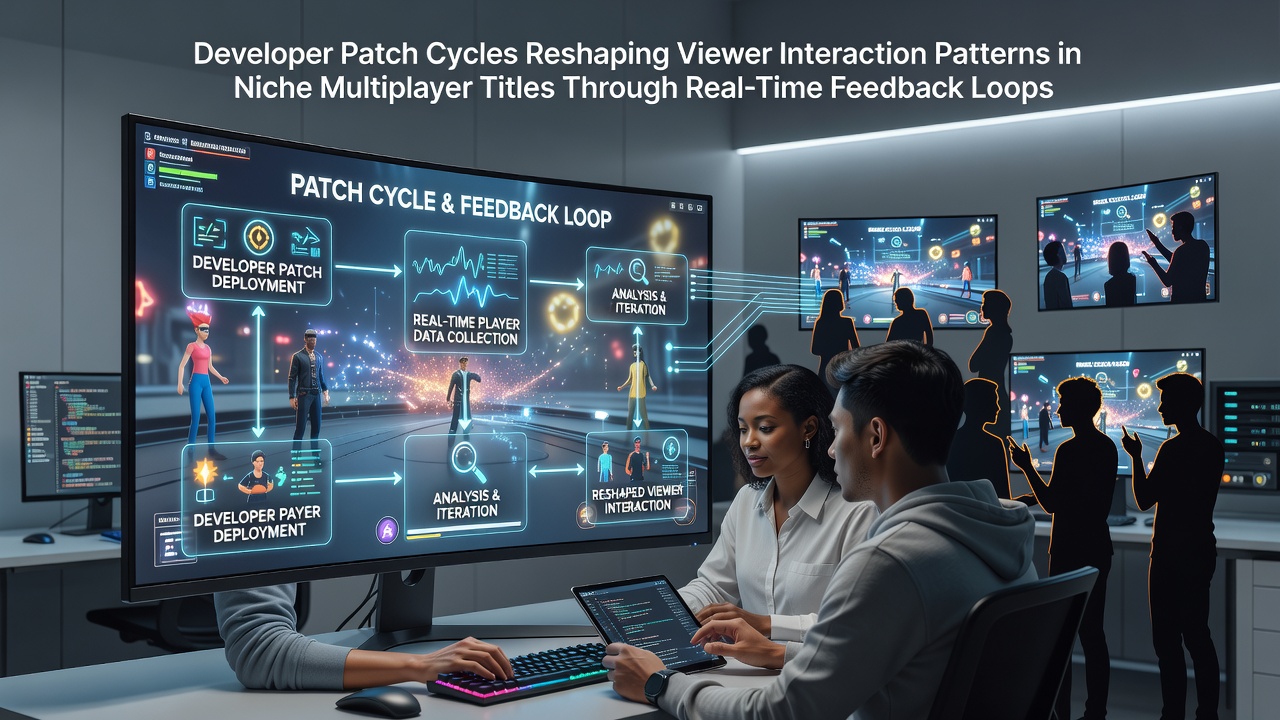
Developer Patch Cycles Reshape Viewer Interaction Patterns in Niche Multiplayer Titles Through Real-Time Feedback Loops
Developer patch cycles have introduced measurable shifts in how audiences engage with niche multiplayer titles, and data from recent tracking efforts shows these changes occur through structured real-time feedback loops. In games with smaller but dedicated player bases, updates arrive in regular intervals that prompt immediate viewer responses during live sessions, altering chat volume, clip creation rates, and discussion threads across platforms. Researchers tracking these patterns note that the speed of audience adaptation often matches the frequency of balance adjustments released by studios.
Patch Deployment Patterns in Specialized Titles
Studios working on niche multiplayer experiences release patches at intervals ranging from weekly hotfixes to monthly feature overhauls, and telemetry collected in July 2026 revealed higher viewer retention when updates addressed community-reported issues within 72 hours. Observers at several development firms documented how these cycles create predictable windows for heightened interaction, with audiences gathering to test new mechanics and share immediate outcomes. The process relies on integrated analytics that feed player data back to developers, who then adjust parameters and push revisions that viewers encounter almost instantly through ongoing broadcasts.
Real-Time Feedback Mechanisms
Feedback loops operate when player statistics from live matches flow into developer dashboards, triggering targeted patches that then circulate back through the same channels. Studies conducted by the Interactive Software Federation of Europe have quantified how this exchange influences audience behavior, showing increased message density in chat during the first 48 hours after each deployment. Those monitoring the data found that viewers in niche communities coordinate testing sessions more rapidly than in broader markets, leading to concentrated periods of collective analysis and strategy sharing.
Viewer Response Dynamics Across Platforms
Audiences respond to patch notes by organizing group viewings and collaborative experiments, and figures from industry reports indicate that participation spikes correlate directly with the scope of changes introduced. In titles with limited mainstream coverage, these events draw sustained attention because participants treat each update as an opportunity to influence future adjustments through aggregated reports. Data indicates that clip-sharing activity rises sharply when new abilities or map alterations appear, creating secondary content that extends the lifespan of each patch cycle beyond its initial release window.
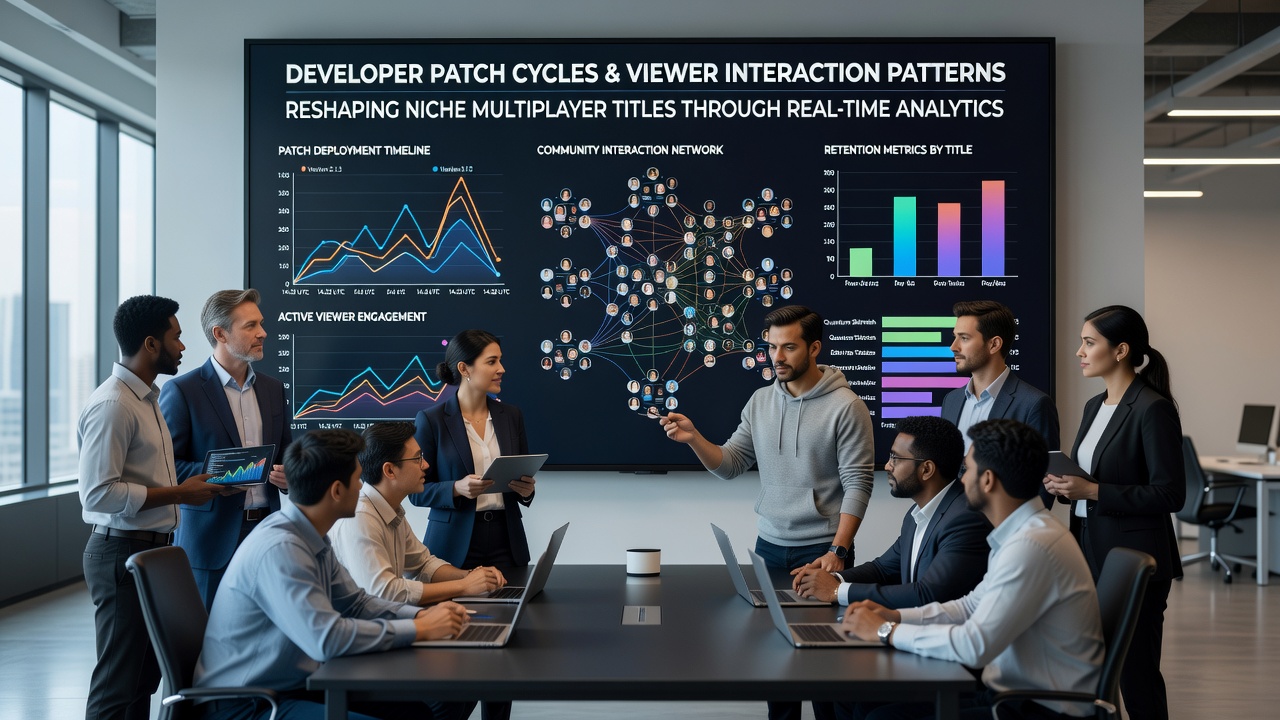
Academic analysis from research teams at the University of Melbourne has examined how these loops affect demographic engagement, with results pointing to broader age ranges participating when patches include quality-of-life improvements rather than pure competitive tweaks. The findings highlight that feedback volume from viewers serves as an informal metric studios incorporate alongside internal telemetry, refining subsequent iterations based on observed patterns.
Case Examples from 2026 Updates
One documented instance involved a tactical extraction game that adjusted resource spawn rates in early July 2026, prompting viewers to compile comparative data sets within hours and distribute them through community hubs. Another example featured a co-operative survival title where enemy behavior revisions led to synchronized testing events across multiple time zones, with aggregated results submitted directly to the development team. These instances demonstrate how the cycle repeats: patch release, viewer experimentation, data collection, and developer response all occur within compressed timeframes that sustain ongoing interaction.
Measurement of Interaction Shifts
Quantitative tracking shows that average session length for viewers increases by measurable margins following significant patches, while the variety of topics discussed expands to include mechanical breakdowns and long-term implications. Reports compiled by the Entertainment Software Association of Canada reveal that niche titles experience proportionally larger engagement lifts from these cycles compared with mainstream releases, largely because smaller communities maintain tighter connections between players and observers. The loops function because developers maintain open channels for input, allowing viewer-generated insights to shape priorities in the next development sprint.
Conclusion
Patch cycles continue to serve as central drivers of interaction patterns in niche multiplayer environments, with real-time feedback loops ensuring that audience contributions remain integrated into ongoing development. Evidence gathered through 2026 demonstrates consistent correlations between update frequency, viewer coordination, and sustained platform activity, establishing these mechanisms as structural elements rather than temporary phenomena. As studios refine their approaches to telemetry and community input, the patterns observed in these specialized titles provide clear indicators of how development timelines and audience behaviors remain interconnected.