Echo Chambers in the Arena: How Repeated Broadcast Exposure Impacts Strategy Evolution Among Amateur Teams
Avery Russell · May 28, 2026
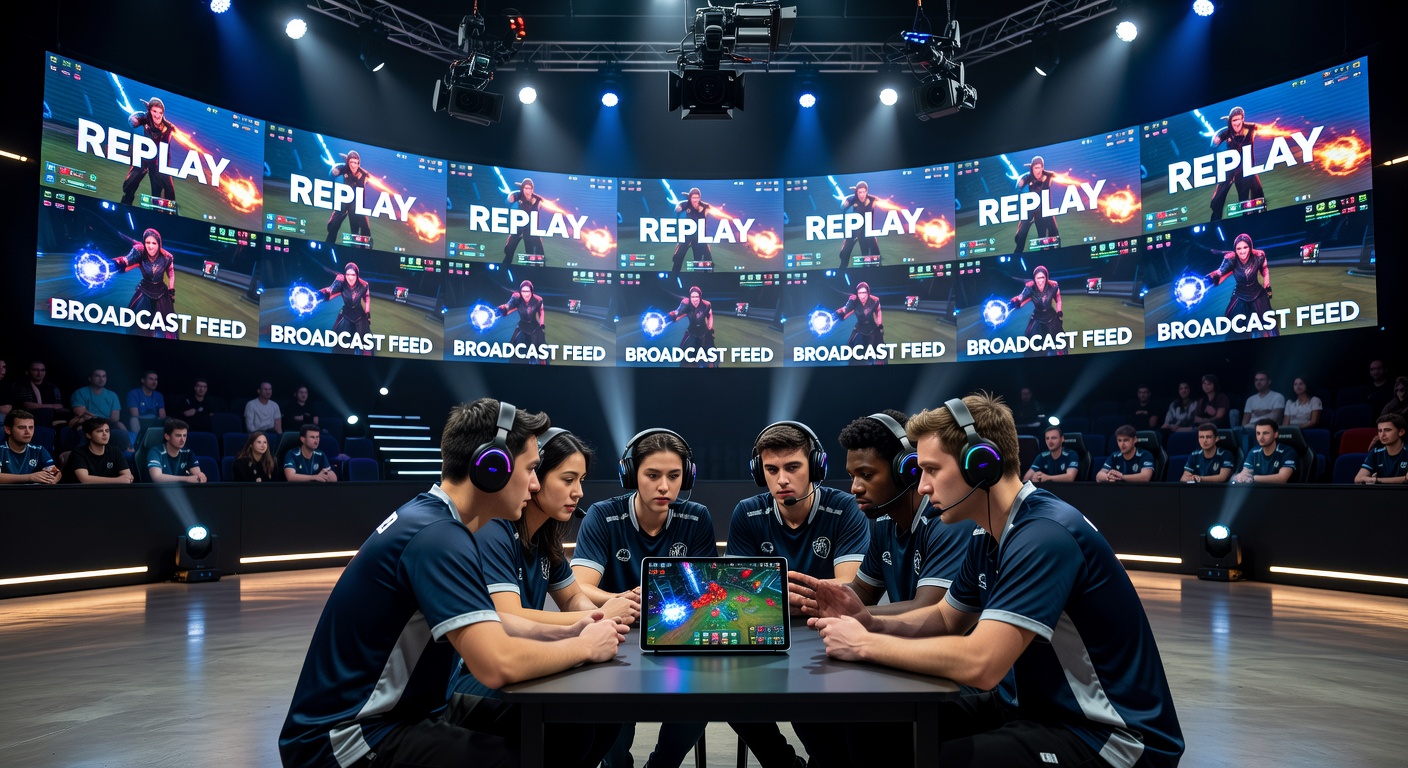
Echo Chambers in the Arena: How Repeated Broadcast Exposure Impacts Strategy Evolution Among Amateur Teams
Amateur competitive teams in titles like League of Legends and Valorant often consume hours of professional broadcasts each week, and this pattern creates environments where certain tactics gain outsized visibility while alternatives receive less attention. Researchers from multiple institutions have tracked how these viewing habits shape team preparation cycles, particularly when squads return to the same broadcast sources for scouting and review. Data collected across North American and European amateur circuits in 2025 showed that teams averaging more than twelve hours of weekly broadcast exposure tended to replicate opening strategies seen in high-profile matches at rates exceeding 60 percent within the first month of a new patch cycle.
Patterns of Exposure and Tactical Convergence
Repeated broadcast consumption funnels attention toward a narrow set of plays that commentators highlight and that casters label as meta-defining, which then circulates through amateur Discord servers and practice logs. A study released by the University of Melbourne in early 2026 documented that amateur squads exposed to the same three professional tournaments over consecutive weeks converged on identical mid-lane rotations and objective timings, even when alternative approaches existed in patch notes. The research tracked 142 teams across Oceania qualifiers and found that exposure frequency correlated more strongly with strategy similarity than did individual player rank or total practice hours.
Observers note that this convergence accelerates when teams watch live streams rather than VODs because real-time chat reactions and caster emphasis reinforce which decisions appear successful. Figures from the Canadian Esports Federation released in May 2026 indicated that amateur teams participating in regional leagues reduced their experimentation with off-meta compositions by 35 percent after major broadcast events, compared with control groups that limited viewing to under five hours per week. Those teams instead iterated on variations of the same three compositions that dominated the streamed matches.
Feedback Loops in Amateur Preparation
Teams integrate broadcast-derived information into their preparation through shared spreadsheets and review sessions that cite specific professional matches, creating closed loops where dissenting ideas face increasing resistance. One documented case involved an amateur squad in the European amateur circuit that adopted a particular jungle pathing style after three consecutive broadcasts featured it; within two weeks the team had logged the path in 92 percent of their scrims despite internal data showing neutral or negative win-rate deltas. The pattern repeated across other squads that cited the same broadcasts as primary sources.
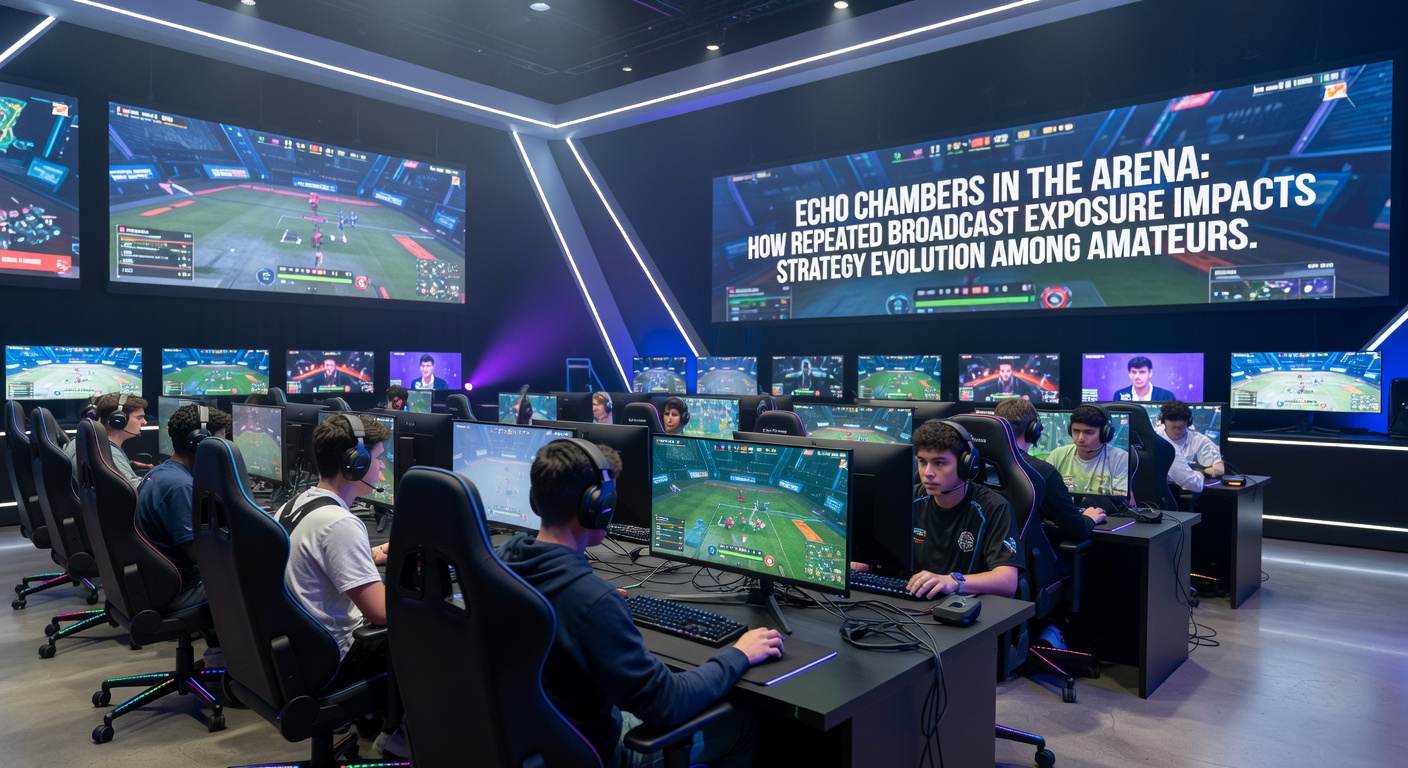
Academic analysis from the Technical University of Denmark examined chat logs and voice comms from amateur teams and found that references to broadcasted moments appeared in 47 percent of strategic discussions during the 2025-2026 season. When those references clustered around a single tournament or streamer, subsequent match recordings showed reduced variation in ability usage and positioning. The study highlighted that teams with broader viewing diets across multiple regions maintained higher rates of novel adaptation following balance patches.
Regional and Platform Differences
Broadcast platforms distribute exposure unevenly, with certain regions receiving more coverage of specific playstyles that then migrate through amateur networks. Data compiled by the Asia-Pacific Esports Association in 2025 revealed that amateur teams in Southeast Asia adopted Korean broadcast tactics at higher rates than European ones during overlapping patch periods, partly because subtitled streams from LCK matches reached wider audiences through algorithmic recommendations. Meanwhile teams in South America showed slower convergence when their primary broadcasts came from local leagues rather than global majors.
Platform algorithms further narrow the field by surfacing highlight reels that emphasize successful executions of already-popular strategies. This creates a secondary layer of reinforcement where teams encounter the same clips across multiple sessions, increasing the likelihood that those executions become default reference points during scrim planning.
Measurement Challenges and Emerging Metrics
Quantifying the precise impact of repeated exposure remains difficult because teams rarely isolate broadcast consumption from other influences such as coach input or internal theorycrafting. Yet longitudinal tracking by independent analysts has begun to separate variables by logging viewing hours alongside scrim logs and tournament results. Early 2026 reports from these efforts suggest that teams able to maintain deliberate diversity in their broadcast sources exhibit slower but more durable shifts in strategy when patches alter core mechanics.
Those measurements also indicate that echo-chamber effects intensify during off-seasons when fewer live events occur and teams default to archival footage of previous successful tournaments. The repetition of the same matches across multiple viewings correlates with extended periods of static strategy adoption until the next major broadcast cycle introduces new reference points.
Conclusion
Amateur teams continue to rely on broadcast content as a primary learning resource, and the resulting exposure patterns shape how strategies develop across competitive ladders. Available data from academic and industry sources points to measurable convergence when viewing remains concentrated on limited sets of matches and regions. Continued tracking through 2026 and beyond will clarify whether broader access to diverse broadcasts can mitigate these tendencies or whether platform structures will sustain the existing dynamics.