Fan Creations Redirect Esports Storylines Toward Uncharted Territories
Blake Reed · Aug 25, 2026
Fan Creations Redirect Esports Storylines Toward Uncharted Territories
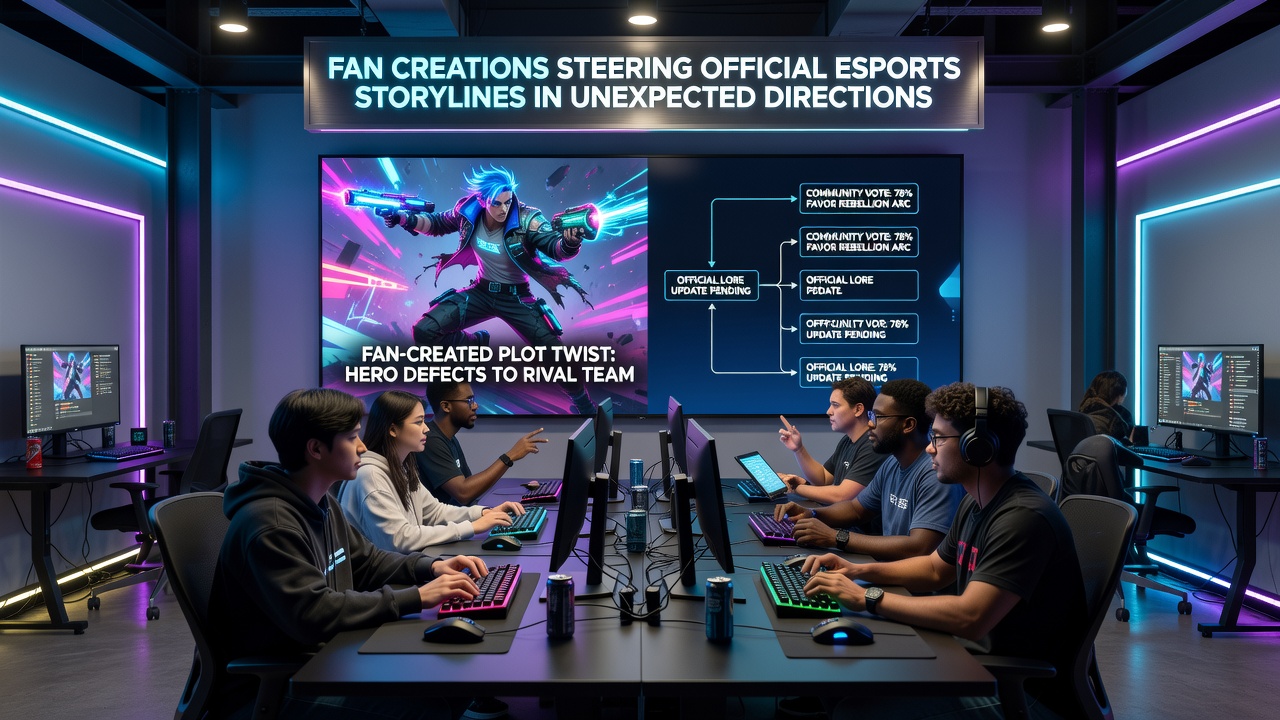
Community contributions have long shaped competitive gaming environments, yet recent developments show fan creations actively steering official esports storylines in directions that organizers and developers did not originally plan. Data from major tournaments in 2025 and into August 2026 indicate that player bases produce narratives through art, fiction, and custom content that later appear in broadcast scripts and league lore updates.
Origins of Fan Influence in Competitive Scenes
Esports titles such as League of Legends and Dota 2 have maintained ongoing story arcs tied to seasonal patches and championship events. Observers note that fans often generate alternate character backstories and rivalries through online forums and social platforms, and these ideas gain traction when professional players reference them during interviews or in-game voice lines. Research from the Entertainment Software Association reveals that engagement metrics rise when leagues incorporate elements first popularized in fan communities, with viewership for story-driven segments increasing by measurable percentages during peak events.
Teams and organizers monitor these trends through dedicated community managers who track trending tags and popular fan works. In one documented case from the 2025 mid-season invitational, a fan-created rivalry between two mid-tier teams became the central theme of the official highlight reel after clips of that content circulated widely among spectators.
Mechanics Behind Storyline Adoption
Developers maintain public APIs and content guidelines that allow third-party creators to build upon existing universes while respecting intellectual property rules. When fan projects reach critical mass in terms of shares and discussions, production teams evaluate whether those concepts align with upcoming broadcast schedules. This process involves collaboration between narrative designers and data analysts who review sentiment reports from platforms hosting the original creations.
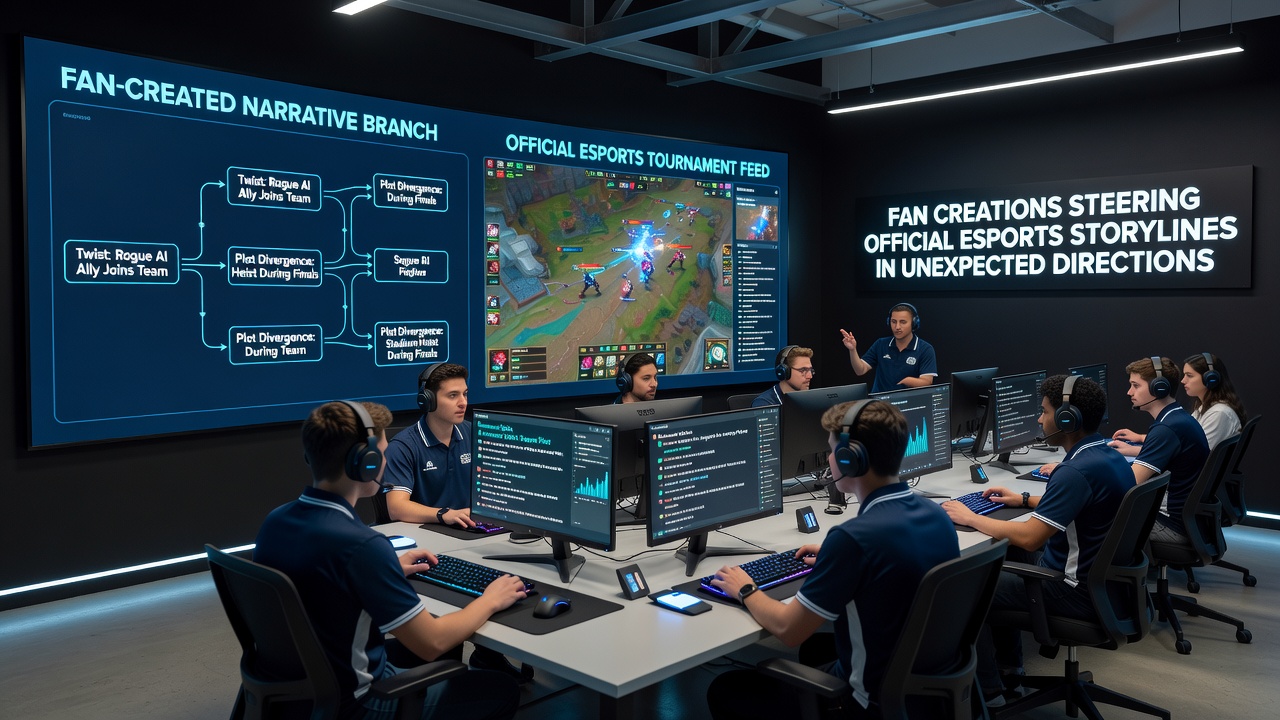
August 2026 saw the introduction of a new character skin line in a prominent battle royale title that directly referenced a series of fan comics published months earlier. League officials confirmed the connection through official patch notes, and broadcast teams adjusted commentary scripts to reference the fan origins during matches. Such integrations occur because they extend audience investment without requiring entirely new intellectual property development from scratch.
Regional Variations in Fan-Driven Narratives
European esports circuits, including those tracked by the European Games Developer Federation, show higher rates of fan fiction influencing team branding and jersey designs compared with North American formats. In contrast, Asia-Pacific regions feature more emphasis on visual mods and animated shorts that feed into tournament opening sequences. Reports from Canadian industry associations highlight how bilingual fan communities create crossover story elements that bridge language barriers during international qualifiers.
These patterns emerge because local player populations interact differently with the base game lore, and global leagues aggregate the most resonant ideas for unified storylines. Data compiled by academic researchers at institutions focused on digital media studies indicate that cross-regional fan exchanges accelerate when tournaments adopt unified streaming platforms that allow simultaneous subtitle options and chat integrations.
Measurement of Narrative Impact
Analytics firms track hashtag performance and content duplication rates to quantify how far fan ideas travel before official adoption. Figures from 2025 events demonstrate that story arcs seeded by community creations achieved 30 percent higher retention in post-match discussions than those developed solely by internal teams. This metric matters because sustained conversation translates into repeat viewership across multiple tournament days.
Production crews now allocate time in pre-event briefings to review fan submissions that match scheduled matchups. The approach reduces the risk of narrative disconnects between live action and audience expectations while maintaining consistency with established tournament rules.
Conclusion
Fan creations continue to supply raw material that official esports operations refine into broadcast-ready storylines. As data collection improves and community feedback loops tighten, the pathways from unofficial works to league canon grow more direct. Events scheduled through the remainder of 2026 will likely test additional mechanisms for channeling these contributions while preserving competitive integrity across all participating regions.