Fists Across Frontiers: How Co-Streaming Events Foster Cultural Exchange in Fighting Game Communities
Blake Reed · Jul 7, 2026
Fists Across Frontiers: How Co-Streaming Events Foster Cultural Exchange in Fighting Game Communities
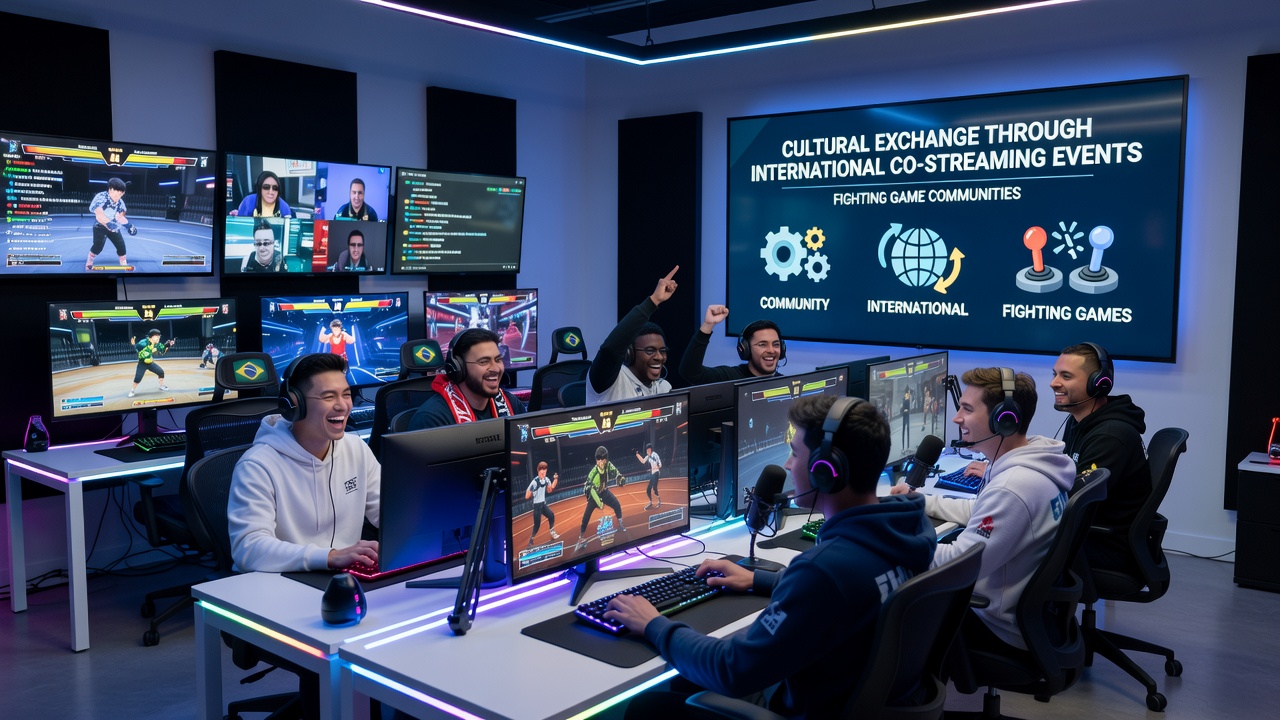
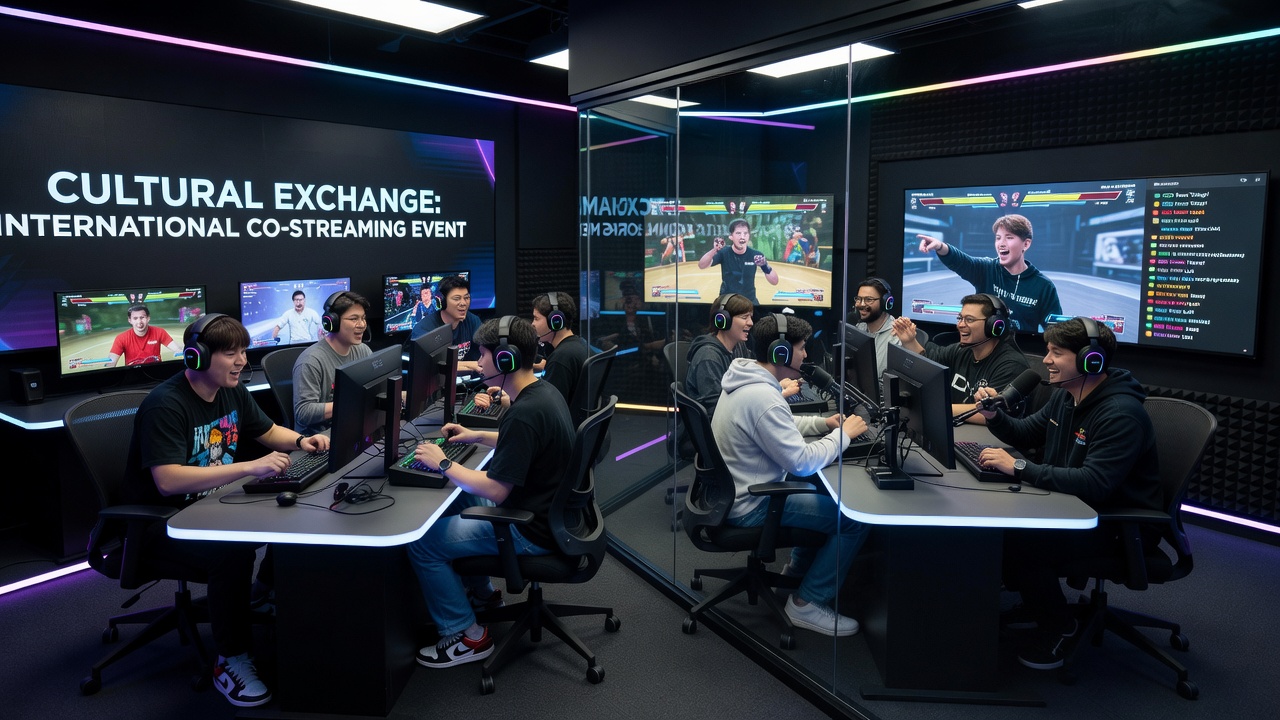
International co-streaming events in fighting game communities bring together broadcasters from different nations who share commentary, gameplay analysis, and audience interactions during simultaneous live sessions, and this format creates direct pathways for cultural exchange that extend beyond standard tournament coverage. Participants coordinate across time zones while incorporating local slang, regional strategies, and community traditions into unified broadcasts that reach global viewers in real time.
Mechanics of Cross-Border Co-Streaming
Co-streaming setups typically involve multiple hosts who alternate between their native languages and English while explaining character matchups, and they often invite guest players from partner regions to demonstrate techniques that reflect distinct training philosophies developed in places like South Korea or Brazil. Viewers encounter explanations of fighting styles tied to specific cultural contexts such as aggressive rushdown approaches common in certain Latin American scenes alongside defensive zoning patterns favored in East Asian circuits, and these details surface naturally during extended analysis segments. Data from industry reports indicates rising participation numbers in such events since 2023 with platforms recording increased concurrent viewership when hosts from three or more countries collaborate on major titles.
Evolution of These Collaborations
Early experiments began with informal partnerships between North American and European casters during regional qualifiers, yet the format expanded rapidly once organizers established dedicated channels for shared production tools and translation overlays. Researchers at institutions like the University of Melbourne have documented how these arrangements evolved into structured series where fighting game communities exchange not only gameplay footage but also music selections, emote sets, and post-event discussion threads that blend idioms from multiple languages. Observers note that by mid-2025 many events incorporated automated subtitle systems which reduced barriers while preserving the spontaneous humor that emerges when hosts react to unexpected upsets in real time.
Notable Events Scheduled for July 2026
Plans for July 2026 include a multi-continent co-stream covering the Evolution Championship Series qualifiers where teams from Japan, France, and Mexico will share a single broadcast feed for several days, and this initiative follows successful pilots conducted in previous years that drew audiences from over forty countries. Organizers coordinate with local fighting game associations to feature region-specific side content such as interviews with veteran players who recount how community norms developed differently across continents, and these segments highlight contrasts in training regimens without favoring one approach over another. Figures from the Australian Interactive Games Association reveal that similar cross-regional streams have contributed to measurable growth in amateur participation rates within participating nations.
Effects on Community Interactions
Communities experience shifts in language use and strategy sharing when co-stream viewers adopt phrases or tactics introduced during joint broadcasts, and forums document threads where players from one region reference moves popularized through commentary from another. Studies conducted by the Entertainment Software Association track how these exchanges influence tournament attendance patterns with increased travel between partnered countries reported in the years following major co-stream events. What's interesting is the way shared memes and inside jokes develop across language lines because hosts deliberately highlight cultural references that translate well to international audiences while explaining those that require additional context.
Technical and Logistical Adaptations
Production teams manage latency through dedicated relay servers and pre-agreed cue systems, and they integrate regional chat moderators who enforce conduct standards drawn from multiple community guidelines. Although technical hurdles persist around audio synchronization, many groups now rely on standardized protocols developed through iterative testing across previous events. Those who've studied participation data note that successful co-streams maintain separate yet interconnected audience channels so local viewers retain familiar moderation styles while accessing broader discussions in real time.
Broader Patterns in Global Participation
Evidence suggests co-streaming accelerates the spread of character popularity across regions because viewers encounter demonstrations framed through unfamiliar cultural lenses that encourage experimentation, and tournament results from 2024 through 2025 show rising diversity in top placements for characters once considered niche outside their origin countries. Partnerships often extend into offline meetups where participants who first connected through co-streams organize in-person gatherings that further solidify cross-cultural ties within the fighting game scene.
Conclusion
International co-streaming events continue to reshape fighting game communities by facilitating direct cultural exchanges that influence language, strategy preferences, and social connections across borders, and ongoing developments in July 2026 will likely build on established patterns while introducing new collaborative formats. Data from multiple industry sources confirms sustained growth in both viewership and participant diversity tied to these initiatives, which positions them as enduring features of the global fighting game landscape.