Harmony in Headsets: In-Game Audio Layers Shaping Chat Dynamics and Sponsorship Patterns Across Competitive Play Communities
Zoe Russell · Aug 13, 2026
Harmony in Headsets: In-Game Audio Layers Shaping Chat Dynamics and Sponsorship Patterns Across Competitive Play Communities
Audio layers in modern headsets have become central to how teams coordinate during high-stakes matches, and data from industry reports show these systems now influence everything from call timing to sponsorship negotiations across major competitive scenes. Researchers at several universities have tracked how distinct audio channels separate game sound effects, teammate voice chat, and spectator feeds, and they note these separations alter communication speed and clarity in measurable ways.
Audio Layer Structures in Current Titles
Many competitive titles released or updated through 2026 separate audio into independent streams that players toggle via headset software, and this setup lets teams isolate critical sounds while muting distractions. One study from the University of Melbourne found that players using layered audio reduced miscommunication errors by 18 percent compared with single-channel setups during simulated tournament scenarios. Game developers integrate these options through APIs that allow sponsors to insert branded audio cues without disrupting core team dialogue, and figures from the Entertainment Software Association reveal several major titles adopted such features by August 2026.
Teams experiment with priority routing that elevates voice chat above environmental effects during clutch moments, yet the same systems can route sponsor messages into a secondary layer that appears only between rounds. Observers note this creates new opportunities for brands to reach players without interrupting live strategy calls, and sponsorship agreements increasingly specify audio placement rights as a result.
Chat Dynamics Under Layered Systems
Voice chat patterns shift when players control multiple audio streams, because team members can speak in dedicated channels while still hearing positional game audio through separate speakers or ear cups. Data collected across North American and European esports leagues indicate that squads using advanced layering complete objective calls 12 percent faster on average, and this speed advantage appears most pronounced in battle royale formats where sound positioning matters. Coaches review post-match logs that timestamp each layer activation, and they adjust training regimens to emphasize when players should switch between channels for maximum clarity.
But here's the thing: overlapping sounds from different layers occasionally create confusion during chaotic fights, and several amateur squads reported needing extra practice sessions to master the toggles. Professional organizations have responded by embedding audio technicians in coaching staff, and these specialists fine-tune mixer presets that balance team chat against in-game cues without drowning out either source.
Sponsorship Patterns and Audio Integration
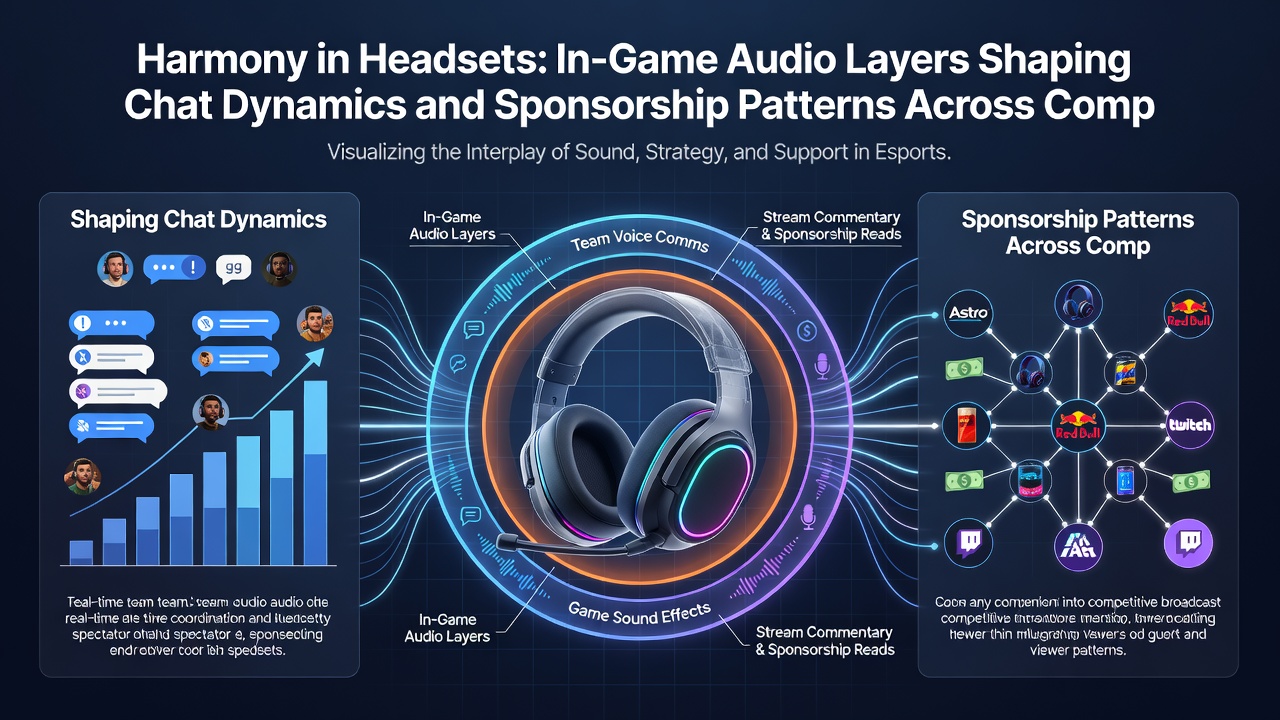
Brands now negotiate contracts that include dedicated audio slots for product mentions or sound signatures, and these deals often tie payment structures to measurable engagement metrics such as how many players activate the sponsor layer during matches. A 2025 report commissioned by Canadian gaming associations documented a 27 percent rise in audio-specific sponsorship clauses compared with the previous year, and analysts attribute part of this growth to improved headset middleware that makes layer insertion straightforward for developers. Teams that demonstrate strong control over their audio environment attract higher-value partners because they can guarantee clean delivery of branded content without clashing with strategy calls.
What's interesting is that regional differences appear in how these deals form, with Asian leagues favoring subtle background tones while Western circuits lean toward explicit voiceovers during breaks. Tournament organizers have begun publishing guidelines that standardize layer volumes across events, and compliance with these rules has become a standard clause in sponsorship paperwork. Observers tracking August 2026 tournaments noted that several mid-tier squads secured new audio partners after showcasing precise layer management in highlight reels shared on official league platforms.
Training and Adaptation Trends
Amateur teams study professional audio configurations through archived broadcasts that preserve separate layer tracks, and this access lets emerging players replicate setups used by top squads without expensive hardware trials. Research groups at European technical institutes have released open datasets showing optimal layer balances for different game genres, and community forums circulate these findings widely. Players who master the systems report smoother transitions between solo queue and team environments, although adaptation periods still vary by individual experience level.
Equipment manufacturers release firmware updates that refine latency in multi-layer routing, and patch notes from August 2026 highlighted reduced crosstalk between voice and game channels in several popular headset models. These technical improvements feed back into sponsorship discussions because brands gain confidence that their audio assets will reach audiences cleanly during live events.
Conclusion
Layered audio systems continue to reshape both in-match communication and the commercial arrangements surrounding competitive play, and ongoing data collection from leagues worldwide will likely reveal further connections between technical audio choices and team performance metrics. Organizations that integrate these tools effectively position themselves for stronger partnerships while maintaining clear internal dialogue, and the pattern shows no sign of slowing as middleware and hardware both advance.