Input Echoes: How Pro Player Keystroke Data from Live Sessions Trains Predictive Models for Amateur Coaching Tools
Zoe Russell · Aug 2, 2026
Input Echoes: How Pro Player Keystroke Data from Live Sessions Trains Predictive Models for Amateur Coaching Tools
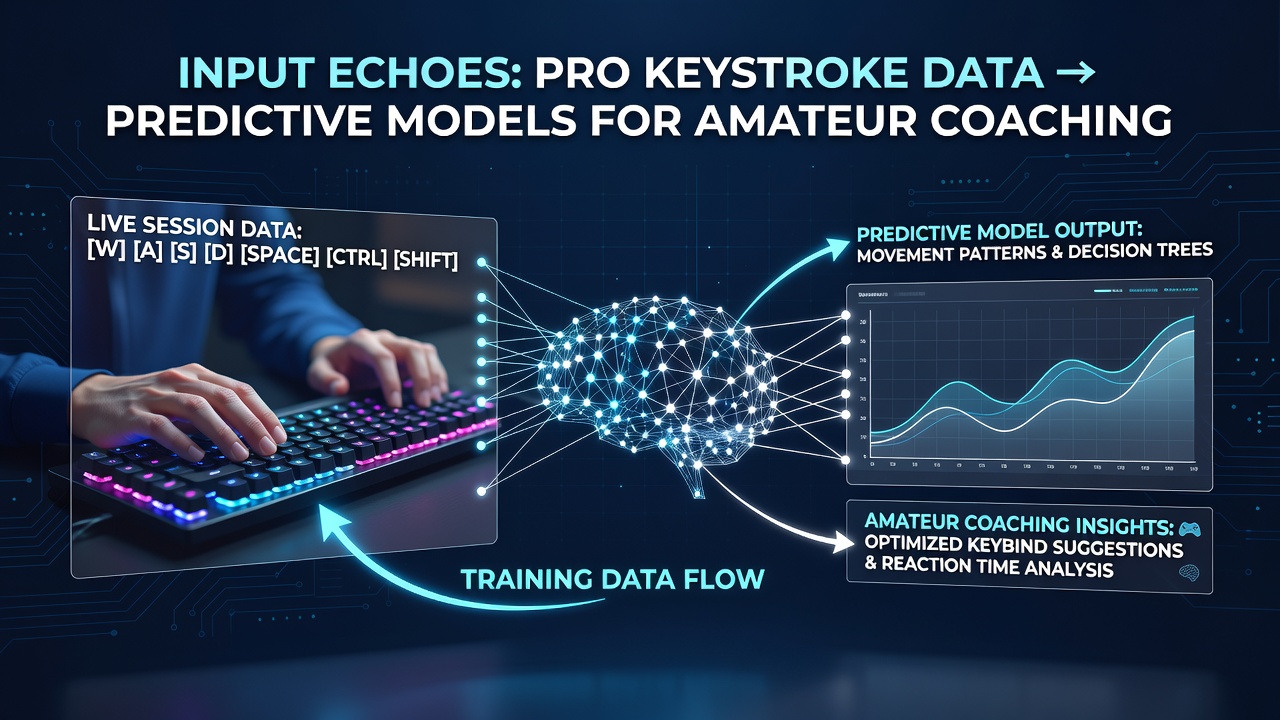
Professional esports competitions generate massive volumes of input data each season, and analysts track every keystroke, mouse movement, and timing decision from top competitors to build datasets that feed directly into machine learning systems. These systems process sequences of actions recorded during high-stakes matches, then apply pattern recognition algorithms to identify optimal decision trees that amateurs can study. Research from institutions across North America and Europe shows that models trained on such data achieve measurable accuracy when forecasting player responses in similar game states.
Data Capture During Live Events
Tournaments in August 2026 routinely deploy standardized input logging tools alongside broadcast feeds, allowing teams to record raw hardware signals without interrupting play. Observers note that organizers coordinate with software developers to timestamp each action against game state variables, creating synchronized logs that capture both the input and its immediate context. This approach yields datasets containing millions of individual events per event, adn researchers at the University of Toronto have published findings on how these logs reveal micro-timing differences between elite performers and mid-tier competitors.
Equipment manufacturers supply specialized peripherals that export data streams in real time, and leagues integrate these feeds into central repositories managed by analytics firms. Data protection frameworks in the European Union require explicit consent protocols for any personal biometric signals captured alongside inputs, while Canadian privacy guidelines emphasize anonymization before model training begins. The resulting corpora allow developers to isolate variables such as reaction latency under pressure and command sequencing during resource-scarce phases.
Model Training Pipelines
Engineers feed the collected sequences into recurrent neural networks and transformer architectures designed to predict subsequent actions given a partial game state. Training runs compare pro-level outputs against amateur attempts in matched scenarios, then adjust weights to minimize deviation scores. One study conducted at Stanford University demonstrated that models exposed to live-session data outperformed those trained solely on replay files by capturing situational stress factors absent from offline practice.
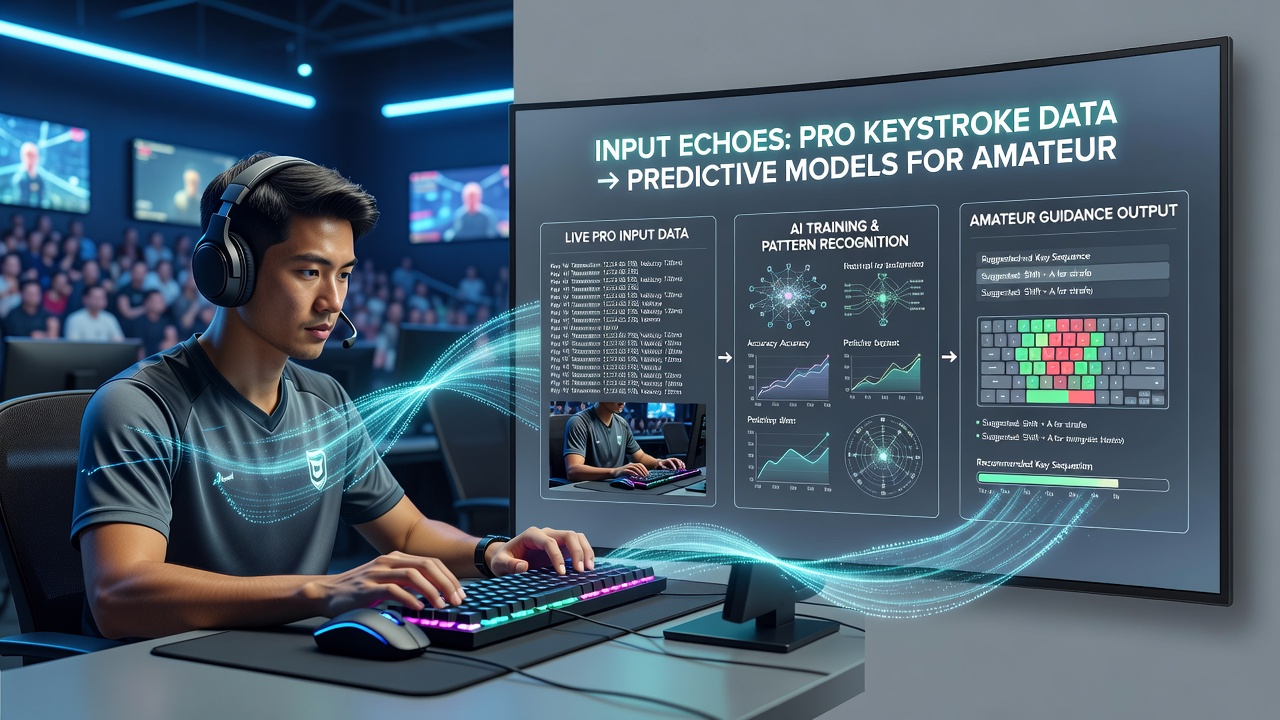
Feature extraction routines isolate variables including key press duration, mouse acceleration curves, and simultaneous input combinations. These features become the basis for coaching applications that flag when an amateur deviates from patterns observed in professional cohorts. Industry reports from the Entertainment Software Association indicate that several development studios now license these models to third-party coaching platforms, expanding access beyond dedicated esports organizations.
Integration into Amateur Tools
Coaching platforms embed the trained models into overlay systems that run alongside practice sessions, providing real-time suggestions derived from pro benchmarks. Users receive prompts that highlight timing windows or alternative input orders validated against tournament data. Developers refine these interfaces through iterative testing with regional amateur leagues, incorporating feedback loops that update model parameters as new live-session data arrives each month.
Case examples include tools deployed in tactical shooter communities where models trained on North American league data help players adjust crosshair placement sequences, while European datasets inform movement prediction modules for different regional meta preferences. The Australian Esports Federation has documented pilot programs that combine these models with local tournament logs to tailor recommendations for players preparing for international qualifiers.
Technical and Regulatory Considerations
Processing pipelines must handle variable network conditions during live capture, and engineers implement buffering mechanisms to prevent data loss when matches experience packet drops. Model validation occurs through cross-validation against held-out tournament sets, ensuring predictions generalize across map variants and patch cycles. Regulatory bodies in multiple jurisdictions continue to evaluate data ownership questions, particularly when input logs contain identifiable performance signatures.
Hardware standardization efforts by major peripheral makers reduce variance in capture quality, while open data initiatives from select leagues provide anonymized subsets for academic research. These steps support continued refinement of predictive accuracy without compromising competitive integrity.
Conclusion
Keystroke datasets from professional live sessions supply the raw material for predictive models that translate elite patterns into actionable guidance for developing players. As capture infrastructure and training methodologies advance, coaching tools gain precision in highlighting specific input deviations and recommending corrections grounded in observed tournament performance. Continued collaboration between leagues, academic researchers, and tool developers sustains the flow of fresh data needed to keep these systems current with evolving game mechanics.