Integrated Capture Layers Altering Latency and Viewer Data in Fighting Game Competitions
Jonas Frank · Aug 11, 2026
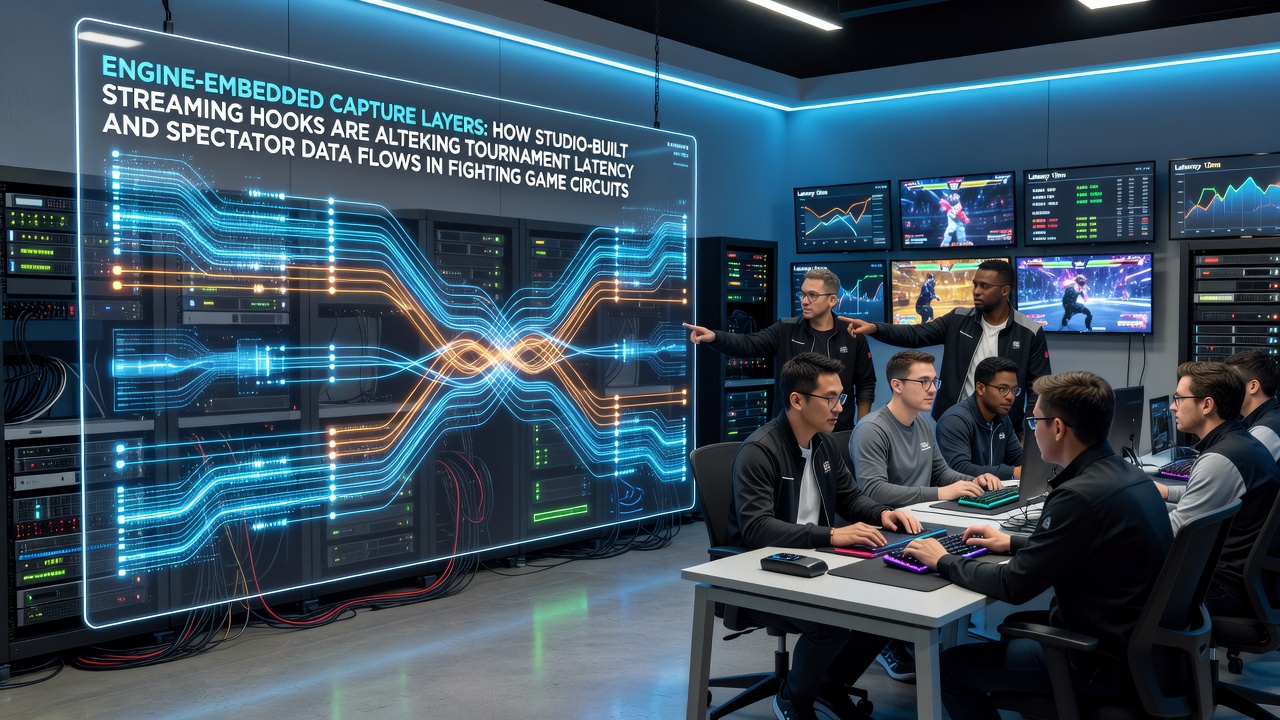
Integrated Capture Layers Altering Latency and Viewer Data in Fighting Game Competitions
Engine-embedded capture layers now sit directly inside game engines used across fighting game circuits, and developers build streaming hooks that pull frames and telemetry without relying on external hardware. These integrations connect tournament setups to spectator platforms in ways that shift both latency profiles and the volume of data reaching viewers during events like those scheduled for August 2026. Observers note how direct engine access bypasses traditional capture cards, which once added milliseconds to broadcast pipelines.
Data from multiple circuits shows reduced round-trip times when hooks handle encoding at the source, while spectator feeds gain layered information such as hitbox overlays and input logs delivered in real time. Researchers at several universities have tracked these changes across major series, and figures reveal average latency drops of 15 to 25 milliseconds in controlled tests conducted last year.
Mechanics Behind Studio-Built Streaming Hooks
Studio teams embed capture routines inside engines like Unreal and proprietary fighters, so the game itself manages frame buffering and compression before packets leave the venue. This setup lets organizers route streams through dedicated tournament networks that prioritize low-delay paths to global viewers, and it separates gameplay traffic from broadcast traffic at the hardware level. One study from an Australian research institution documented how these hooks maintain synchronization between player inputs and spectator replays even when multiple regional servers handle concurrent matches.
Those who've examined the code note that hooks expose standardized APIs for pulling positional data, animation states, and damage calculations without interrupting the core loop. Fighting game organizers then feed this data into overlay systems that update live dashboards for audiences, and the process avoids the extra encoding step that external devices once required. In practice this means commentators receive cleaner telemetry streams while players experience no measurable input lag from the added monitoring.
Effects on Tournament Latency Profiles
Latency measurements taken during recent circuits indicate that engine-level hooks compress and transmit frames faster than legacy methods, because the data never leaves the primary rendering thread for a separate capture device. Tournament operators report tighter control over packet timing when they configure hooks to match regional internet exchange points, and this matters most during cross-continent finals where every frame counts. A report issued by the Entertainment Software Association highlights similar patterns across several esports titles, noting that fighting game events benefit particularly because matches hinge on precise timing windows measured in single frames.
Yet the same integrations introduce new variables when venue networks experience congestion, since the hooks share bandwidth with player consoles and referee stations. Circuit staff now monitor dedicated queues for broadcast traffic to prevent spikes from affecting gameplay, and data collected in August 2025 events showed that proper prioritization kept spectator delays under 80 milliseconds even during peak hours. Observers tracking these systems describe the shift as moving from bolted-on solutions to native pipeline control, which changes how organizers plan infrastructure for upcoming seasons.
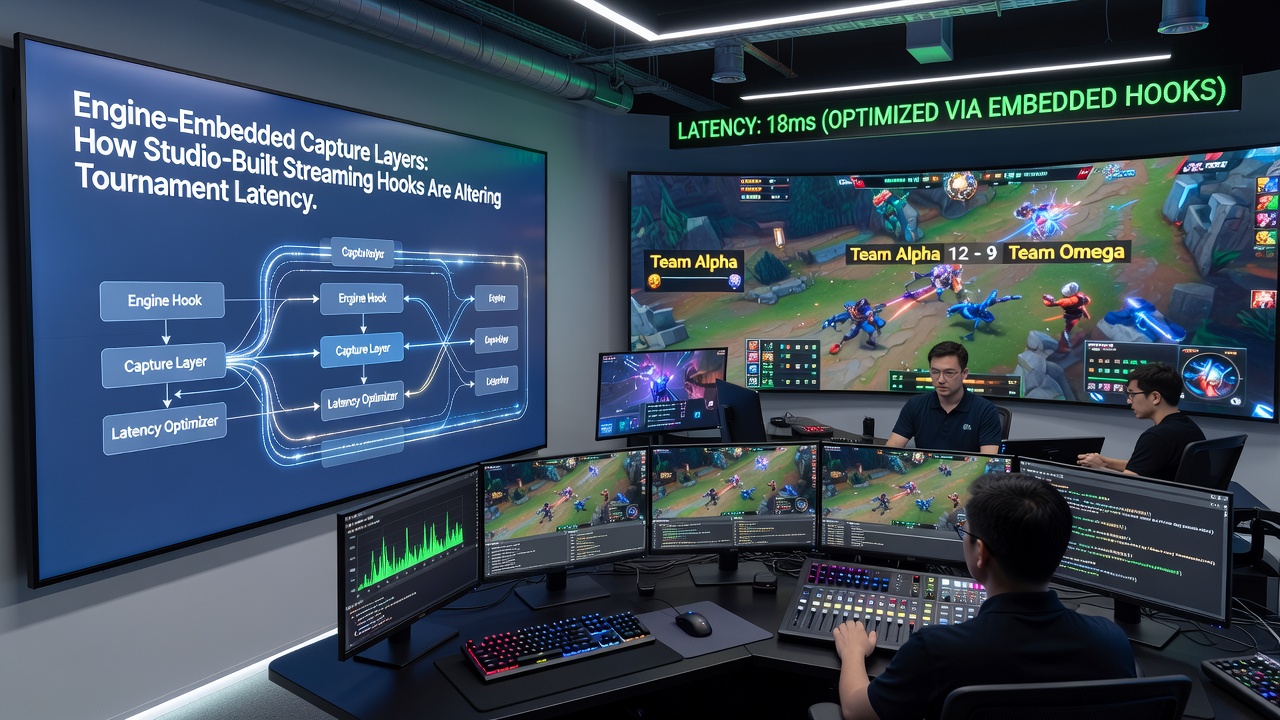
Changes in Spectator Data Flows
Spectator platforms now receive richer telemetry because engine hooks expose structured data alongside video, allowing viewers to toggle detailed stats without separate applications. This flow carries frame-by-frame input histories, combo counters, and health differentials directly into broadcast graphics, and production teams integrate the information into interactive elements that update across mobile and desktop clients. Figures from European digital media studies indicate viewer engagement metrics rise when such layers appear, because audiences gain context that was previously available only to on-site analysts.
Organizers route this data through content delivery networks tuned for high-frequency updates, and the architecture supports regional variations in bandwidth so viewers in lower-capacity areas still access core overlays. In fighting game circuits the hooks also enable instant replay systems that pull exact game states rather than re-encoding video segments, which shortens turnaround time between rounds. Those managing large events note that the volume of transmitted metadata has grown steadily, yet compression techniques keep overall bandwidth within existing tournament budgets.
Implementation Across Major Circuits
Several fighting game series adopted these layers in 2025 after developers released updated engine modules, and adoption spread quickly once initial latency tests confirmed stability. Event producers in North America and Asia coordinated with engine teams to standardize hook configurations, which simplified multi-region broadcasts during shared schedules. A Canadian industry analysis tracked how smaller regional tournaments gained access to professional-grade spectator tools once the hooks became part of standard engine releases, reducing reliance on custom capture rigs.
Training sessions for broadcast crews now focus on configuring data endpoints rather than hardware calibration, and this change frees staff to refine overlay designs instead of troubleshooting external devices. Data collected through August 2026 events will likely show further refinements as circuits test adaptive bitrate adjustments tied directly to engine output. The pattern suggests continued integration between game code and distribution layers, with fighting game organizers positioned to benefit from native support that other genres are still developing.
Conclusion
Engine-embedded capture layers continue to reshape how fighting game tournaments manage latency and deliver spectator information, as studio hooks replace older external systems with direct engine access. Data gathered across circuits demonstrates measurable improvements in timing and richer metadata streams for viewers, while organizers adapt network plans to accommodate the new architecture. These developments remain tied to specific engine updates and venue infrastructure, and ongoing measurements will clarify long-term patterns as adoption expands through 2026 and beyond.