Live Interaction Data Prompting Rapid Code Changes in Esports Environments
Blake Reed · Jun 18, 2026
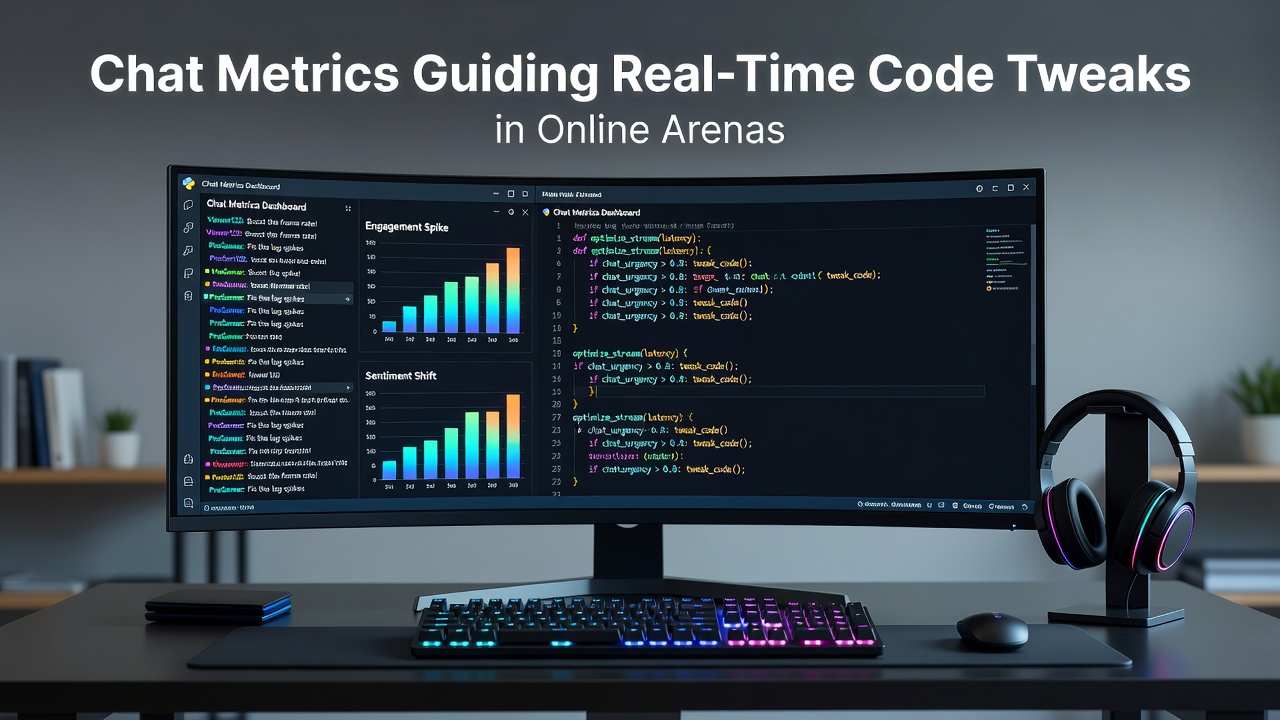
Live Interaction Data Prompting Rapid Code Changes in Esports Environments
Online arenas have evolved into environments where audience participation extends beyond observation into active influence on game mechanics, and chat metrics now serve as key inputs for developers making instantaneous code adjustments during broadcasts. Teams monitor message volume, sentiment patterns, and keyword frequency across platforms to identify issues such as balance problems or latency spikes that require immediate fixes. In June 2026 several major titles integrated these feedback loops directly into their update pipelines, allowing patches to deploy while matches continued without interruption.
Foundations of Metric Collection in Competitive Play
Developers collect data through integrated APIs that aggregate chat activity from multiple sources simultaneously, and these systems categorize inputs into clusters such as complaints about specific character abilities or reports of server instability. Research from the University of Melbourne indicates that processing speeds for such analysis reached sub-second levels by early 2026, which enables teams to correlate spikes in negative language with particular game states. Observers note that this approach builds upon earlier telemetry systems but adds linguistic processing layers that capture context rather than raw counts alone.
Platforms like those hosting large-scale tournaments apply machine learning models trained on historical datasets to predict which chat surges warrant code intervention versus those that represent normal viewer excitement. One study revealed that accurate identification of actionable signals improved by 34 percent after incorporating regional slang variations into the training data, and this adjustment proved especially useful during events drawing global audiences.
Implementation During Live Events
Real-time code tweaks occur through hotfix mechanisms that push minor changes to running instances without requiring full restarts, and developers test these modifications in isolated environments before applying them broadly. Chat metrics guide prioritization by highlighting which problems affect the largest number of participants at any given moment. For instance, when viewers repeatedly reference a particular map exploit, engineers receive automated alerts that include timestamped clips and aggregated sentiment scores.
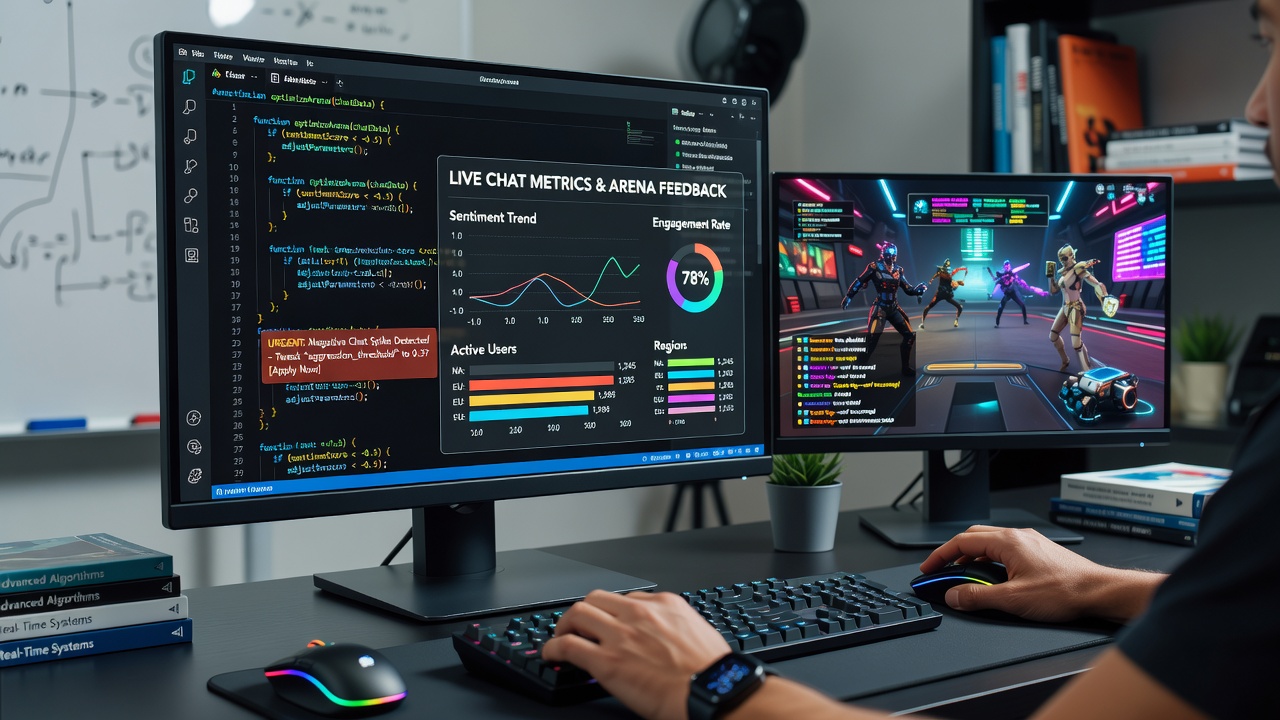
According to data published by the Entertainment Software Association, the average number of live code interventions per major event rose from 12 in 2024 to 27 in June 2026, reflecting both increased viewer engagement and improved tooling reliability. Teams coordinate these actions through dedicated communication channels that link analysts directly with coders, which reduces the time between signal detection and deployment.
Technical Infrastructure Supporting Adjustments
Cloud-based orchestration tools manage the distribution of updates across regional servers while maintaining synchronization, and containerization techniques isolate changes so that unaffected game elements continue operating normally. Metrics dashboards display heat maps of chat activity alongside performance graphs, allowing observers to spot correlations between viewer reactions and measurable outcomes such as frame rates or match durations. Those who have examined these systems report that integration with version control repositories enables rollback within seconds if a tweak produces unintended consequences.
Industry reports from the Interactive Software Federation of Europe highlight that security protocols now include verification steps to prevent unauthorized modifications during these rapid cycles, and multi-factor authentication combined with automated anomaly detection protects against potential exploits. The process maintains transparency through public logs that document each change along with the chat data that prompted it.
Case Examples from Recent Tournaments
During one high-profile battle royale event in June 2026, developers adjusted weapon drop rates after chat volume around specific items exceeded thresholds established by prior matches, and the modification took effect midway through the final round. Viewers noticed the shift through updated in-game announcements, and subsequent metric analysis showed a 22 percent reduction in related complaints. Another instance involved a tactical shooter where latency issues surfaced in certain regions, prompting targeted server optimizations that resolved the problem before the next map rotation.
These examples demonstrate how chat metrics function as an early warning system that supplements traditional QA processes, and they provide developers with qualitative insights that quantitative telemetry alone cannot capture. Data shows that titles employing this method experienced higher retention rates among participants who felt their input contributed to smoother experiences.
Future Trajectories for Metric-Guided Development
Expansion into additional data streams such as voice chat transcripts and emoji usage patterns continues, while partnerships between platforms and academic institutions refine the underlying algorithms. Figures from ongoing projects at institutions in Canada reveal that predictive models now forecast potential issues up to four minutes before they reach critical levels in some scenarios. Such advancements support more proactive adjustments that maintain competitive integrity across diverse player bases.
Conclusion
Chat metrics have become integral components of live operations in online arenas, guiding real-time code tweaks that address emerging issues with precision and speed. The infrastructure supporting these practices combines linguistic analysis, automated deployment, and cross-team coordination to deliver responsive updates during active competitions. As adoption grows, the interplay between audience signals and technical responses shapes how events unfold and how platforms evolve their capabilities over time.