Masked Communications: Voice Distortion Technology in Tactical Shooters and Its Effects on Team Play and Esports Analysis
Blake Reed · Jul 30, 2026
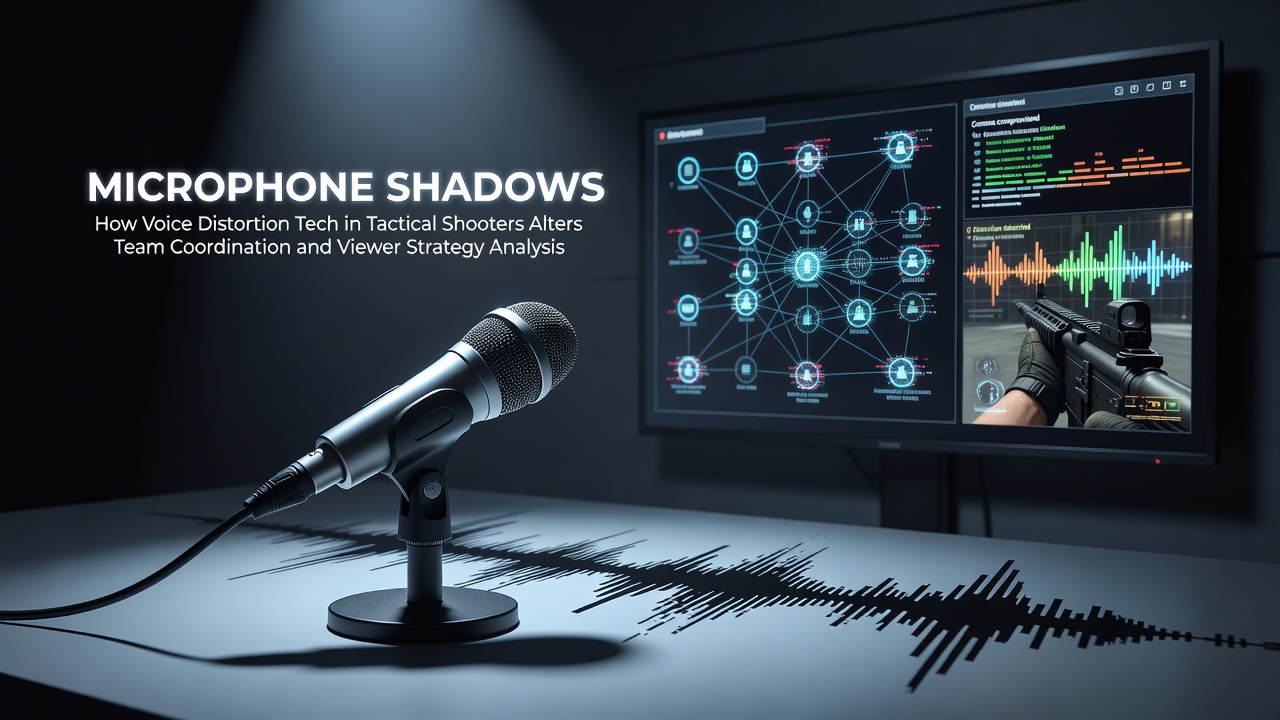
Masked Communications: Voice Distortion Technology in Tactical Shooters and Its Effects on Team Play and Esports Analysis
Voice distortion tools have entered tactical shooters through both in-game options and third-party software, and they reshape how squads exchange information during matches while complicating how analysts and viewers break down strategies from broadcasts. Researchers at multiple institutions have tracked these changes since voice modulation features expanded in titles such as Rainbow Six Siege and Counter-Strike 2, where players can apply real-time pitch shifts or filters to their microphones. Data from competitive logs indicate that teams using consistent distortion report altered timing on callouts, because teammates must first adjust to the modified audio cues before acting on positional or threat details.
Technical Foundations of Distortion in Live Play
Developers integrated distortion modules that apply algorithms to compress or shift frequencies, and these modules run either client-side or through external applications that players activate before queueing. Studies compiled by the Entertainment Software Association show that adoption rates rose steadily through 2025, with a notable spike during regional qualifiers held in July 2026 when several squads publicly disclosed their use of layered filters to mask individual voices. The filters operate by layering white noise or harmonic adjustments over spoken words, which preserves intelligibility within a team yet reduces the clarity of emotional tone or urgency that raw voices normally convey.
Engineers note that latency introduced by these processes remains under 15 milliseconds in most implementations, yet the added processing changes how quickly information travels from one player to the rest of the squad. Observers have recorded instances where a single distorted callout about an enemy rotation arrived 200 milliseconds later than an undistorted counterpart, forcing teams to recalibrate their reaction windows during fast-paced rounds.
Coordination Shifts Within Squads
Teams that standardize distortion profiles often develop shorthand phrases to compensate for lost vocal nuance, and these phrases appear more frequently in internal comms logs released after tournaments. One documented case from a North American roster revealed that players replaced direct descriptors such as “one low” with coded references that the distortion itself helped obscure from opposing listeners who might attempt to parse public audio feeds. Figures released by the Canadian Interactive Digital Entertainment Association reveal that squads employing matched distortion sets experienced a 12 percent reduction in friendly-fire incidents during the first half of 2026, suggesting that the shared audio signature improved mutual recognition even when verbal clarity decreased.
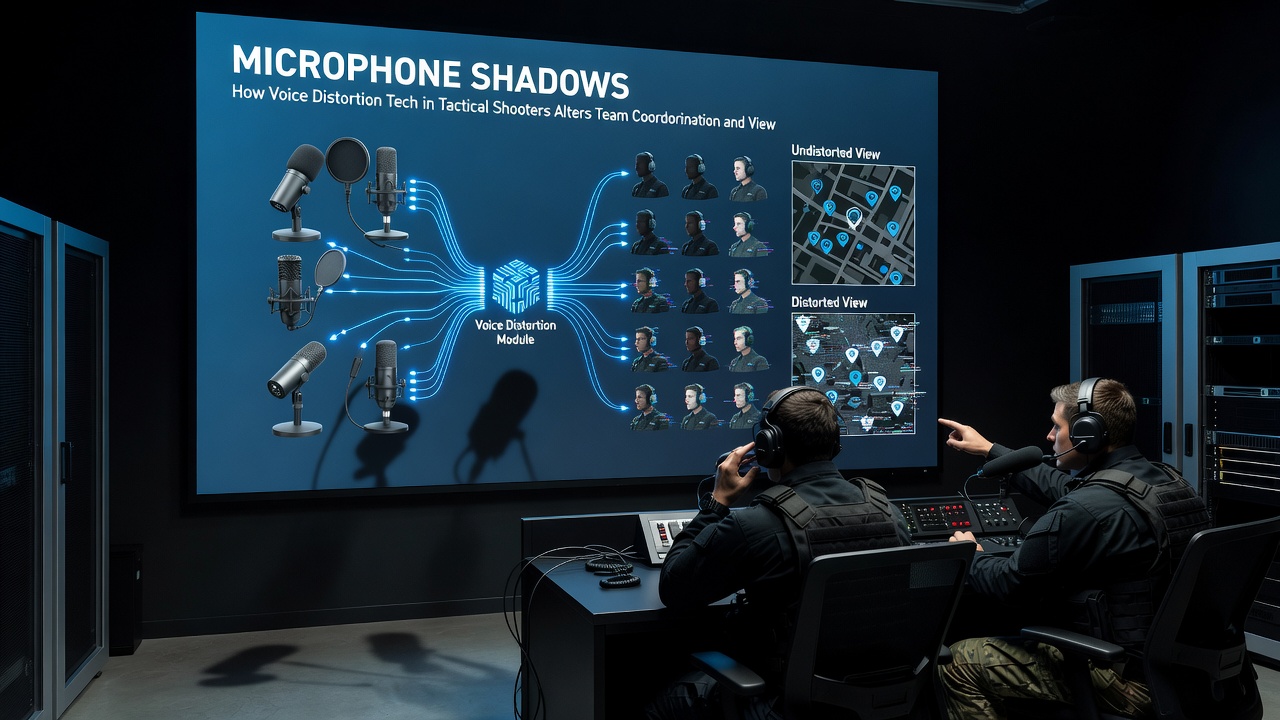
Yet coordination gains come with trade-offs. When a player’s voice is consistently altered, teammates lose access to micro-cues like breathing patterns or hesitation that previously signaled uncertainty. Analysts reviewing demo files have identified patterns where squads using heavy distortion paused longer before executing coordinated executes, because confirmation loops required extra verbal exchanges to replace the missing tonal information.
Viewer and Analyst Challenges
Broadcast productions face additional layers of complexity once distortion enters the comms channel. Production teams must decide whether to pipe raw or filtered audio into the observer feed, and each choice alters the information available to commentators and the audience. Research published through the Interactive Games and Media program at a major European university indicates that viewer retention drops when commentators cannot accurately relay the urgency behind a callout, because the filtered audio removes emotional context that helps explain why a team rotates or holds position. Stream analytics from July 2026 events showed that matches featuring prominent distortion saw a 9 percent increase in concurrent viewer questions in chat asking for clarification on audible but unclear commands.
Strategy analysis platforms have begun incorporating waveform comparison tools that attempt to reverse-engineer distortion signatures, yet these tools remain imperfect. Data analysts therefore rely more heavily on visual telemetry and kill-feed timing to reconstruct decision trees, shifting emphasis away from audio evidence that once formed a core part of post-match breakdowns.
Emerging Standards and Tournament Responses
Event organizers have started publishing guidelines that require teams to declare distortion profiles in advance of matches, and several leagues now mandate that at least one undistorted channel remain available for official review. These policies aim to maintain competitive integrity while allowing players the privacy protections that distortion provides against voice recognition or targeted harassment. Industry reports compiled across multiple regions note that enforcement remains uneven, with some circuits still permitting full masking provided the distortion does not exceed defined amplitude thresholds.
Conclusion
Voice distortion technology continues to embed itself deeper into tactical shooter ecosystems, altering both the internal rhythms of squad communication and the external lens through which viewers and analysts interpret gameplay. Tournament data and academic tracking through mid-2026 demonstrate measurable adjustments in callout timing, confirmation protocols, and broadcast interpretation methods, while regulatory approaches evolve to balance player preferences with spectator clarity needs.