Overlay Applications Transforming Tactical Responses in Squad-Based Esports Competitions
Henrik Reed · Jun 14, 2026
Overlay Applications Transforming Tactical Responses in Squad-Based Esports Competitions
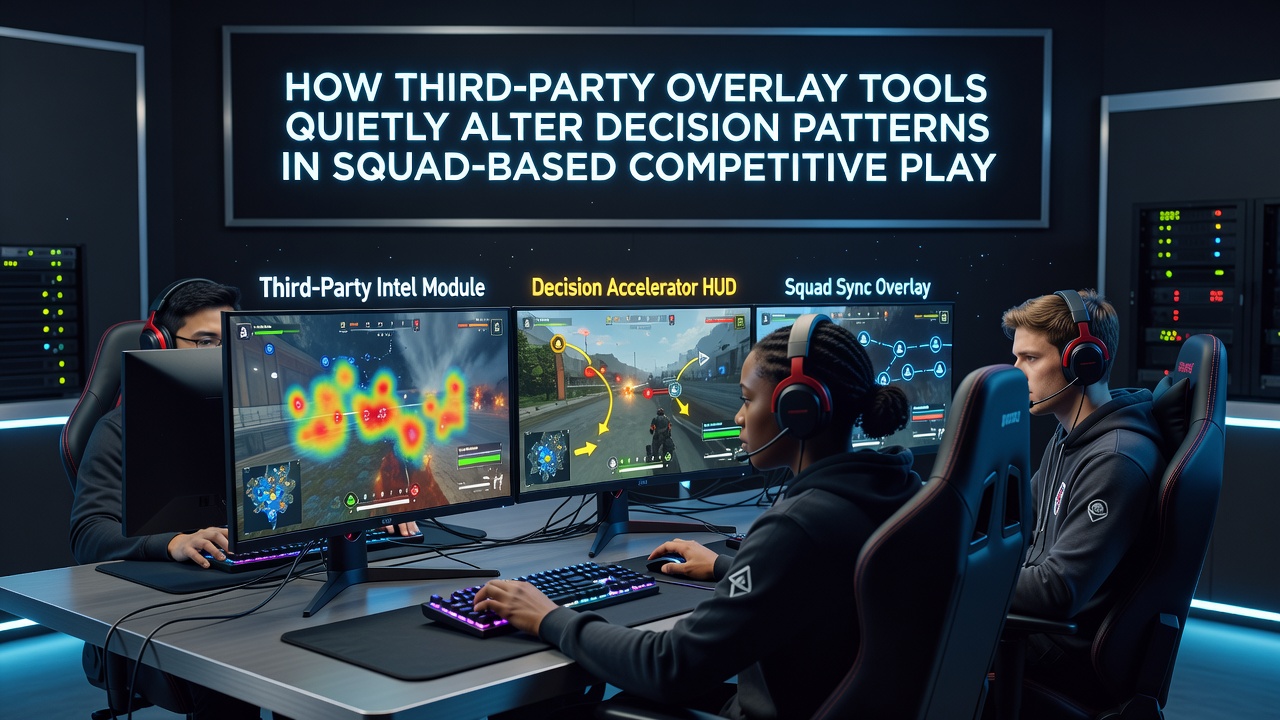
Third-party overlay tools have become common additions to squad-based competitive environments where players rely on external applications for supplementary data during matches, and these programs run alongside core game clients to display information such as cooldown timers, resource trackers, and positional indicators that the base software does not provide, while developers in titles like tactical shooters and team arena games permit certain non-intrusive variants yet enforce restrictions on others through ongoing policy updates.
Core Functions of These External Applications
Many overlay programs compile live metrics from game APIs or memory reads to present squad members with synchronized details about enemy positions, ability availability, and map control zones, and this setup allows teams to coordinate actions without constant verbal checks during high-pressure rounds, whereas built-in interfaces often limit visibility to personal stats alone, so players turn to these tools to fill informational gaps that affect split-second calls on engagements or retreats.
Research from the University of Sydney's digital interaction lab shows that participants using timer overlays adjusted their movement patterns 18 percent more frequently than control groups in controlled squad simulations, and the study tracked decision logs across multiple sessions to identify shifts in rotation timing and resource allocation choices that stemmed directly from the additional data layers.
Observed Changes in Team Coordination Patterns
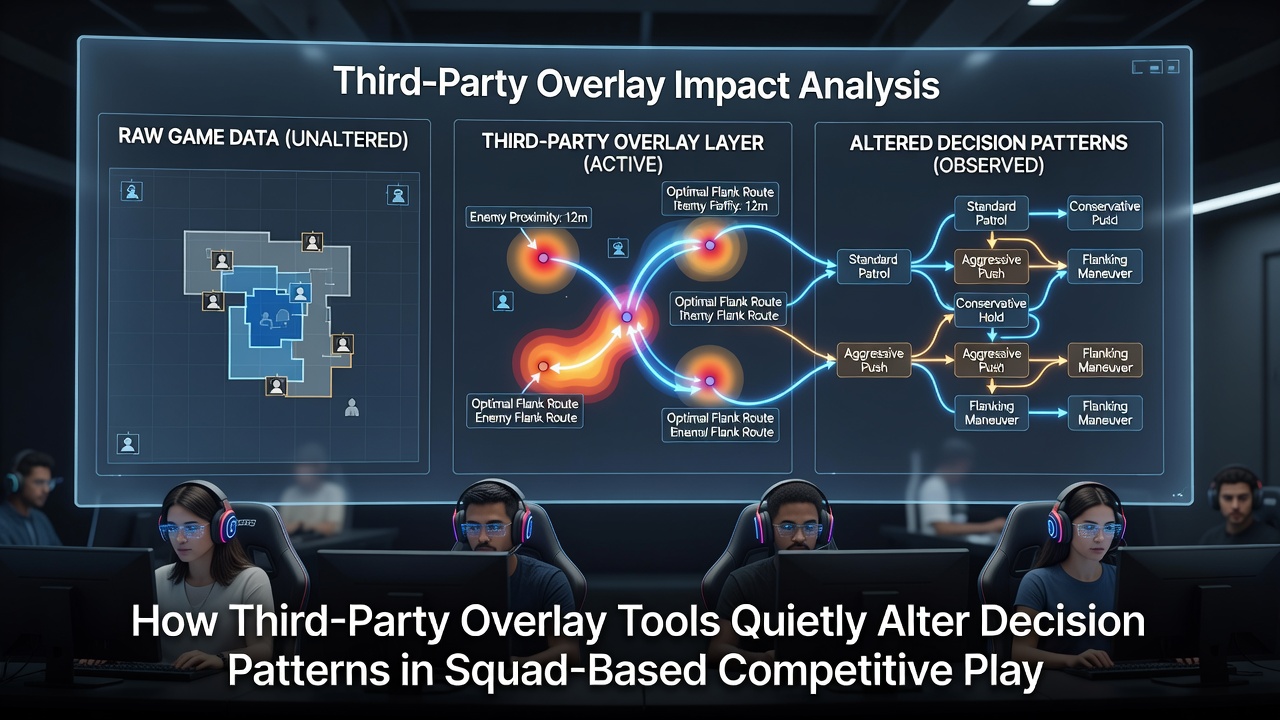
Squads incorporating stat overlays frequently demonstrate altered engagement thresholds because the tools highlight enemy resource states in real time, which leads members to initiate fights when data indicates favorable conditions rather than relying solely on visual cues or audio feedback, while teams without such aids maintain more conservative pacing as they lack the same predictive elements during matches.
One documented case involved amateur groups in a regional league who integrated positional trackers and saw their average round win rates rise after adapting strategies around the new information streams, yet follow-up analysis revealed that individual players began deferring to the overlay readouts instead of developing independent situational awareness over time, and this pattern repeated across several recorded scrimmages in early 2025.
Data Trends from Recent Tournaments
Figures released by the North American Esports Coalition in a 2025 report indicated that 62 percent of tracked professional squads had adopted at least one form of third-party timing application by the end of the prior season, and the data correlated these adoptions with measurable increases in mid-round adjustments during objective-based modes, whereas squads that avoided overlays showed steadier but slower adaptation rates to evolving match states.
Observers note that the influence extends beyond individual choices into collective team dynamics because overlay data often gets shared through voice channels or on-screen callouts, which creates standardized response protocols that reduce variability in how different members interpret the same scenario, and this standardization appears most pronounced in games with short round timers where quick consensus on next actions determines outcomes.
Regulatory and Platform Responses
Game publishers have responded with updated terms that distinguish between permissible cosmetic overlays and those that deliver competitive intelligence, while enforcement actions in 2025 included temporary bans for squads found using memory-scanning variants during official events, and these measures aim to preserve the intended information asymmetry that defines many competitive formats without eliminating all external assistance options.
According to an industry analysis prepared by the Canadian Interactive Digital Entertainment Association, adoption rates among amateur squads climbed steadily through mid-2025 with projections extending into June 2026 when several major circuits plan to introduce standardized overlay approval lists ahead of international qualifiers, and the association's survey of over 1,200 registered teams highlighted that most participants view the tools as necessary for staying competitive rather than optional enhancements.
Longer-Term Effects on Skill Development
Longitudinal tracking by academic researchers has identified potential trade-offs where reliance on overlay metrics correlates with slower acquisition of intuitive game sense among newer players, because constant access to precise timers and stats can substitute for the repeated trial-and-error that builds pattern recognition independently, yet experienced squads often integrate the same tools to refine existing instincts without apparent detriment to baseline abilities.
What's interesting is how these applications quietly standardize certain decision heuristics across regions because popular overlay configurations spread through community forums and shared profiles, which leads to convergent strategies among otherwise disconnected teams and reduces the diversity of approaches that might emerge in a purely in-game information environment.
Conclusion
Third-party overlay tools continue to integrate into squad-based competitive ecosystems through a combination of technical accessibility and performance incentives, while ongoing monitoring by publishers and research groups tracks their effects on decision distributions and team behaviors, and the landscape as of 2026 shows no sign of reversal given the established role these applications now play in both amateur and professional circuits.