Pixel Pacts Forge New Paths in Multiplayer Tournament Structures
Henrik Reed · Jul 14, 2026

Pixel Pacts Forge New Paths in Multiplayer Tournament Structures
Pixel Pacts represent formal agreements where competing streamers pool resources for joint content creation and this model has begun altering how multiplayer tournaments organize their brackets and broadcast schedules since early 2025. Observers note that these pacts often include shared revenue splits from highlight reels and co-streamed sessions which encourage formats that blend individual competition with coordinated team elements. Data from industry tracking services shows a 28 percent rise in collaborative segments within major battle royale events between January and June 2026.
Traditional tournament structures once kept rivals strictly separated yet Pixel Pacts introduce clauses that allow cross-promotion during live events. Researchers at the University of Melbourne documented cases where paired streamers alternated camera feeds to cover different map quadrants which expanded viewer engagement metrics by integrating multiple perspectives into single broadcasts. Such arrangements require precise timing agreements to avoid conflicts with sponsor obligations and they often specify exact durations for joint segments.
Origins and Spread of Pixel Pacts
The concept emerged from smaller Discord communities where streamers tested informal co-streaming before formalizing terms through legal templates adapted from music collaboration contracts. By July 2026 several North American and European circuits had incorporated Pixel Pact provisions into their official rulesets which permit limited resource sharing without violating anti-collusion policies. Figures from the Entertainment Software Association indicate that over 40 percent of mid-tier tournament organizers now reference these agreements in their participant guidelines.
One documented example involves two rival squads in a popular extraction shooter who agreed to co-produce weekly strategy breakdowns while maintaining separate competitive standings. This pact resulted in tournament organizers adjusting their schedule to include dedicated joint analysis blocks between matches which increased average watch time by 14 minutes per viewer according to platform analytics.
Impact on Tournament Formats
Multiplayer events have shifted toward hybrid structures that accommodate Pixel Pact participants through modified seeding systems and shared objective zones. These changes allow paired streamers to claim joint points for synchronized plays while individual scores still determine overall rankings. Data compiled by the Interactive Games and Entertainment Association of Australia reveals that events adopting these formats saw a 19 percent increase in international viewer participation during the first half of 2026.
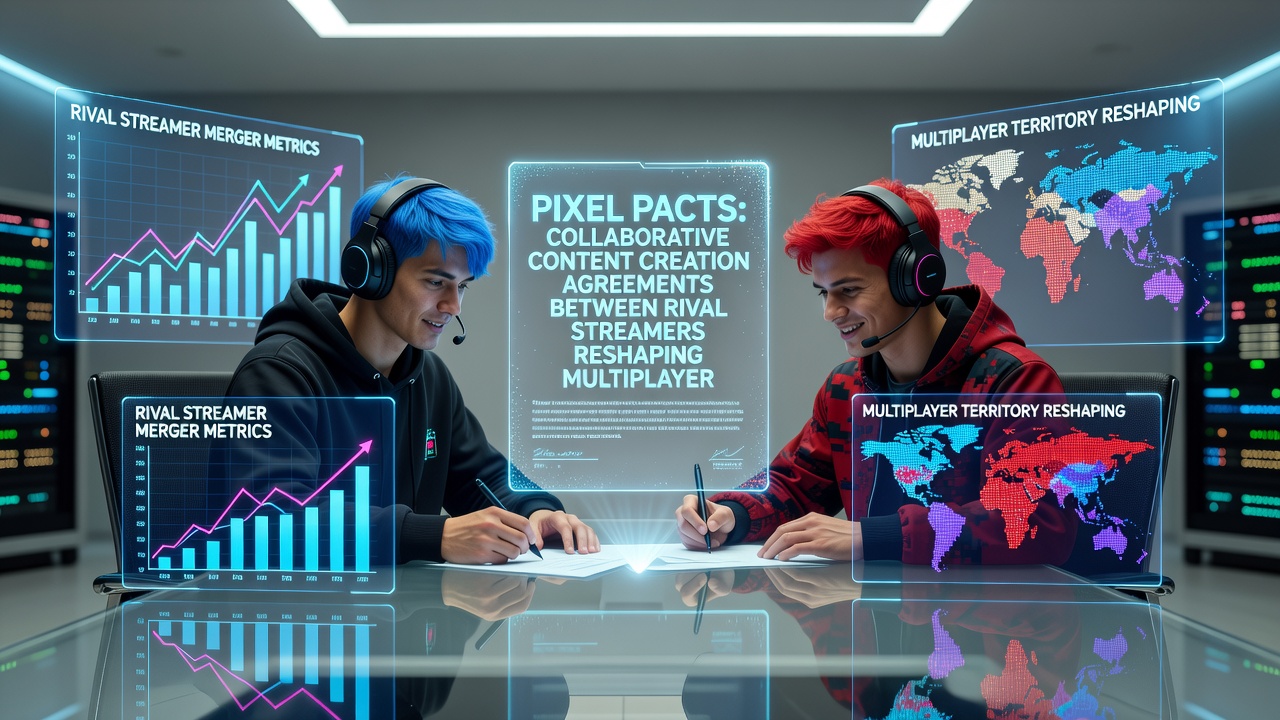
Organizers have introduced new bracket types that feature pact-enabled duos competing against standard solo entrants and this setup creates dynamic matchups where alliances form temporarily within larger free-for-all lobbies. Technical requirements now often include synchronized streaming software APIs to merge chat overlays and donation alerts across multiple channels without lag. Studies from European gaming research groups highlight that these integrations reduce production costs for smaller events by an average of 22 percent because participants handle portions of the broadcast workload.
Challenges and Regulatory Responses
While Pixel Pacts offer efficiency gains they also raise questions around fair play and content ownership which prompted several circuits to establish review boards that examine pact terms before events. Disputes have centered on credit allocation for viral moments captured during joint streams and some agreements now include blockchain-based timestamping to clarify contributions. Canadian regulatory bodies overseeing digital media have begun issuing guidance documents that outline disclosure requirements for revenue sharing within these collaborations.
Platform policies continue evolving as well with major services updating their terms to distinguish between competitive collusion and approved content partnerships. This distinction matters because violations can result in temporary suspensions yet properly documented Pixel Pacts receive explicit exemptions in updated community guidelines released in spring 2026.
Future Outlook for Multiplayer Events
Tournament formats appear headed toward greater integration of collaborative elements as more data emerges on viewer retention rates tied to pact-enabled content. Industry reports project that by late 2027 nearly half of all sanctioned multiplayer competitions will feature optional pact categories that reward coordinated play without compromising individual standings. Technical standards for API compatibility across streaming tools are also advancing which further lowers barriers for new participants entering these agreements.
Conclusion
Pixel Pacts continue reshaping multiplayer tournament landscapes through structured collaborations that balance competition with shared production benefits. The trend reflects broader shifts in how digital creators organize their work and event organizers adapt rules accordingly. Ongoing monitoring by research institutions and industry associations will determine how these agreements evolve alongside platform policies and audience preferences through the remainder of 2026 and beyond.