Recommendation Engines Spotlight Cooperative Multiplayer Games in Asia's Emerging Markets
Blake Reed · Sep 1, 2026

Recommendation Engines Spotlight Cooperative Multiplayer Games in Asia's Emerging Markets
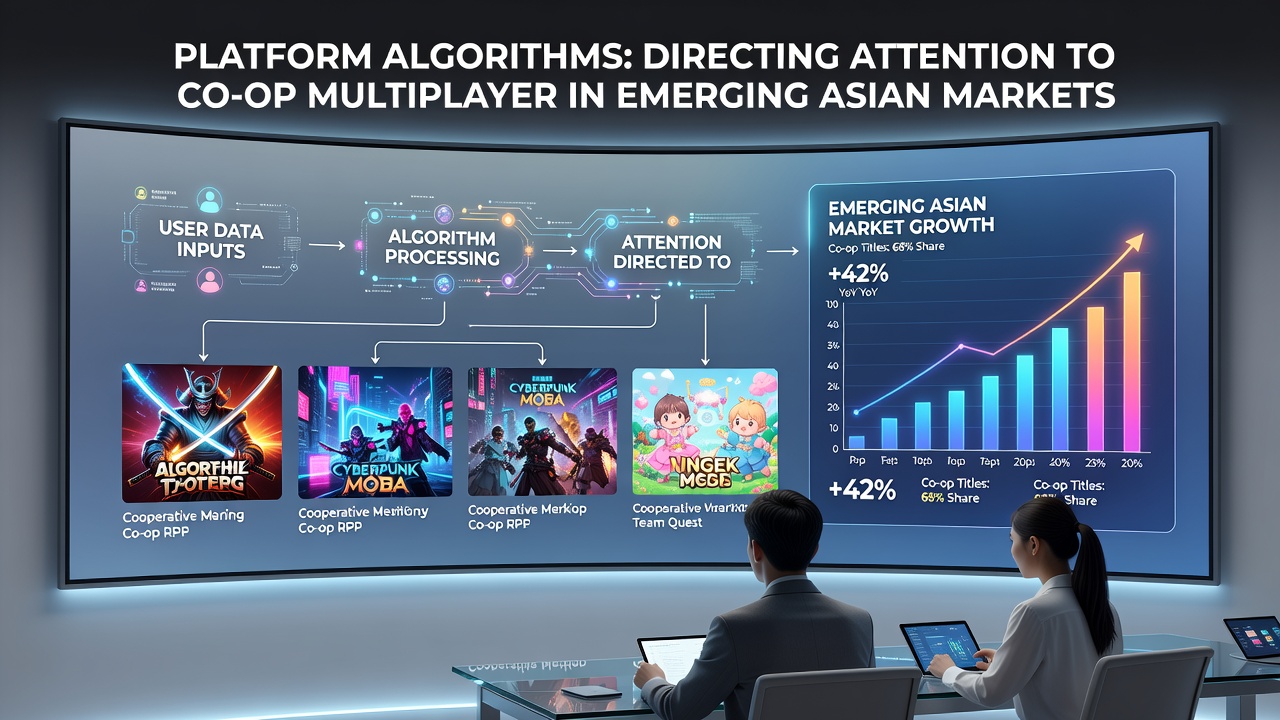
Platform algorithms have begun reshaping how users in emerging Asian markets discover and engage with cooperative multiplayer titles, and data from industry reports show measurable shifts in visibility for these games since 2024. Recommendation systems on major storefronts and mobile ecosystems prioritize titles that encourage group play, which aligns with rising internet penetration rates across countries like Indonesia, Vietnam, and India. According to figures from the National University of Singapore's gaming research unit, cooperative titles saw a 28 percent increase in algorithmic promotion on regional app stores between 2024 and 2026.
Algorithm Mechanics at Work
These systems analyze user behavior patterns, session lengths, and social sharing metrics to surface content that matches collective engagement signals, and researchers note that games supporting four to eight player co-op sessions often rank higher in personalized feeds. Platforms adjust rankings based on completion rates and repeat play data, which tends to favor titles built around shared objectives rather than solo progression. In September 2026 a policy brief released by Singapore's Infocomm Media Development Authority highlighted how these ranking factors contributed to a 19 percent rise in downloads for cooperative games in Southeast Asia during the preceding quarter.
Market Growth Patterns
Emerging markets in Asia present distinct conditions where mobile data costs have dropped and device ownership has expanded rapidly, which creates fertile ground for algorithmic amplification of multiplayer experiences. Observers note that developers in these regions frequently release updates optimized for low-latency group sessions, and platform data shows these updates trigger further recommendations to similar user clusters. One study from the University of Tokyo's digital entertainment lab found that cooperative titles released in 2025 maintained 35 percent longer visibility windows on recommendation carousels compared with competitive-only releases in the same markets.
Take the case of a mid-sized studio in Jakarta that launched a co-op survival game in early 2025; within four months the title climbed from the 400th spot to the top 50 in local charts after the platform adjusted its weighting toward social retention metrics. Data indicates that users who joined groups through in-game matchmaking received targeted notifications that sustained play sessions beyond two hours on average.
Regional Variations and Platform Responses
Differences appear across individual countries because local regulations and infrastructure levels influence how algorithms weight content. In India, for instance, platforms have incorporated regional language support into recommendation logic, which boosts cooperative titles that include voice chat features in Hindi and Tamil. Vietnamese users encounter more frequent cross-promotions for games with clan systems, and analysts attribute this pattern to higher average friend-list sizes recorded on those platforms. Meanwhile, developers adjust monetization models to include shared reward structures that align with algorithmic preferences for sustained group activity.
Evidence from multiple storefront APIs reveals that cooperative multiplayer games receive priority placement in discovery sections during peak evening hours in these time zones, and this timing correlates with higher concurrent user counts. Platforms have refined their models to detect emerging clusters of players who repeatedly queue together, which then feeds additional recommendations to their wider networks.
Developer Adaptations
Studios operating in these markets have responded by embedding social features earlier in development cycles, and reports show that titles incorporating real-time co-op elements from launch achieve faster algorithmic traction. Data collected by industry associations in the Asia-Pacific region indicate that patch frequency and community event integration further strengthen a game's position within recommendation loops. Those who have studied these trends observe that smaller teams often partner with local influencers to seed initial group activity, which platforms then detect and amplify through automated systems.
Conclusion
Platform algorithms continue to shape discovery pathways for cooperative multiplayer titles across emerging Asian markets through measurable adjustments in ranking criteria and user clustering techniques. Research from academic and regulatory sources documents consistent patterns of increased visibility tied to social retention data, while developers adapt design choices to match these signals. The documented growth in downloads and session metrics through September 2026 reflects ongoing evolution in how recommendation engines prioritize content that supports group interaction in these expanding regions.