Replaying the Revolution: How Archived Broadcasts Fuel Amateur Team Training Regimens
Henrik Reed · Jun 7, 2026
Replaying the Revolution: How Archived Broadcasts Fuel Amateur Team Training Regimens
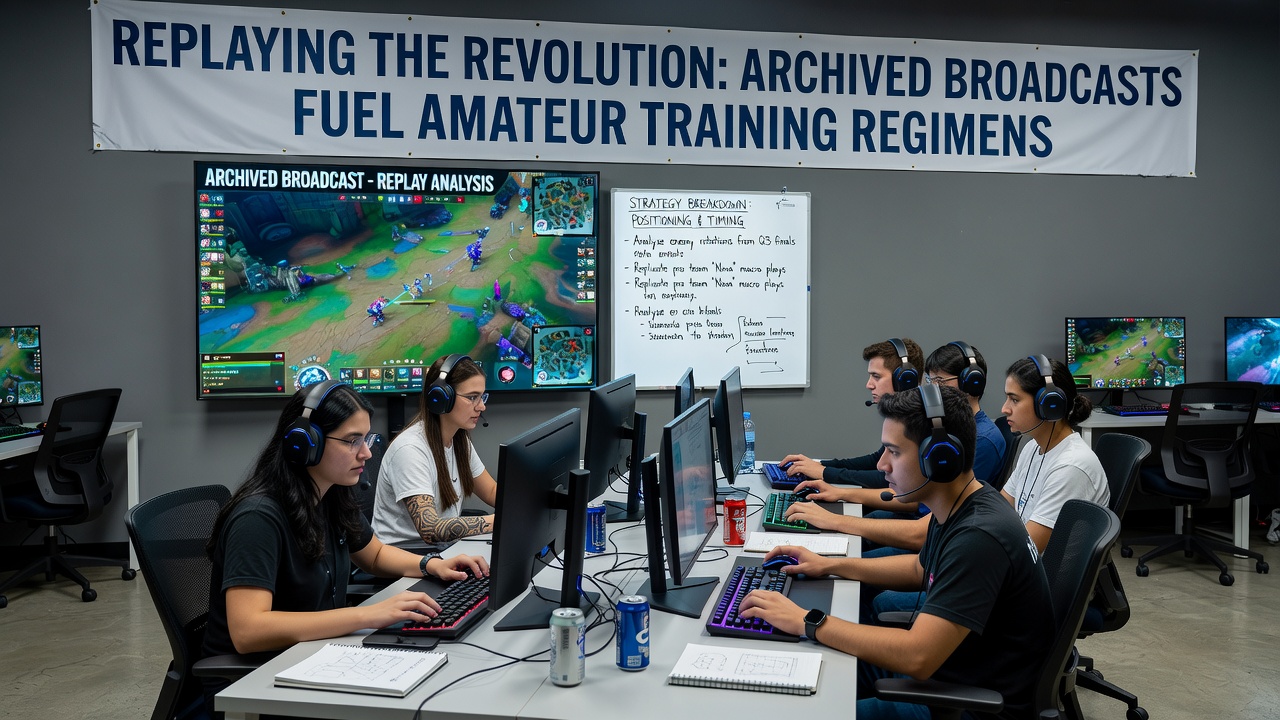
Amateur esports squads across multiple regions have integrated archived broadcasts into daily practice routines, turning past professional matches into detailed study materials that shape strategy development and individual skill refinement. Teams review full game recordings from major tournaments alongside timestamped highlight reels, allowing coaches and players to break down positioning patterns, resource management decisions, and communication timing without relying solely on live observation. Data from several competitive circuits shows that groups dedicating at least eight hours per week to archive analysis report measurable improvements in win rates during regional qualifiers, with gains appearing most consistently in coordination-heavy titles.
Structured Review Processes Adopted by Clubs
Many amateur organizations now follow repeatable review cycles that combine individual film study with group debriefs, where players pause footage at key moments to discuss alternative choices and their potential outcomes. This approach gained additional traction after several European leagues released expanded public archives in early 2026, giving smaller squads access to high-resolution recordings that previously required paid subscriptions. Coaches frequently assign specific segments for homework, then reconvene to compare notes against the original broadcast commentary and post-match statistics released by tournament organizers.
Technology Enabling Precise Analysis
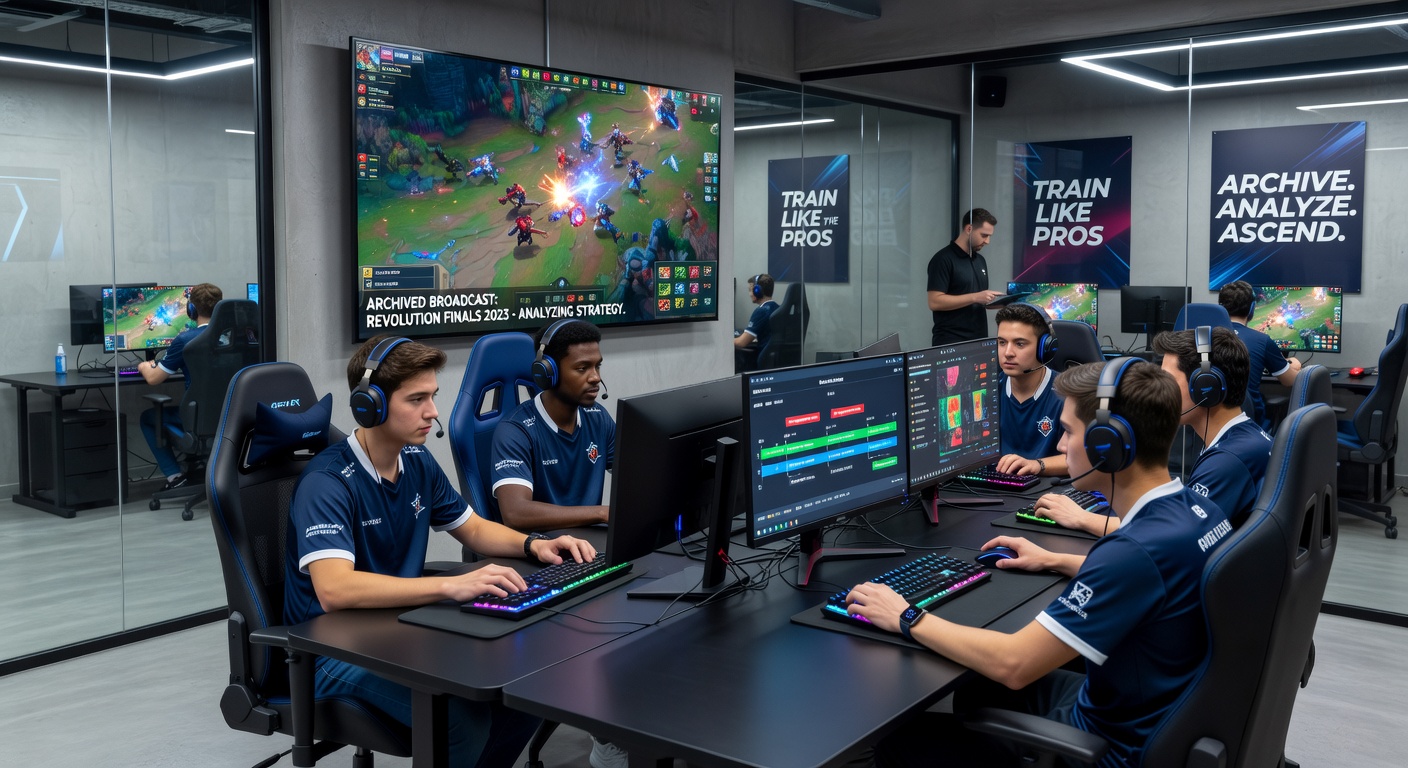
Software platforms that sync archived video with in-game telemetry have simplified the process for teams operating on limited budgets, letting users overlay heat maps, ability cooldown timers, and economy graphs directly onto the footage. Observers note that squads using these tools spend less time hunting through raw files and more time testing counter-strategies in custom lobbies. One Canadian collegiate program documented a 23 percent reduction in repeated strategic errors after implementing synchronized archive review over a single semester, according to findings shared at the 2026 North American Collegiate Esports Summit.
Archived broadcasts also serve as neutral reference points when teams evaluate their own recent matches, since professional examples provide consistent benchmarks free from the emotional bias that sometimes colors self-review sessions. Players compare their decision trees against those executed by top competitors under similar conditions, identifying gaps in execution speed or information sharing that live scrimmages alone rarely reveal with such clarity.
Regional Differences in Archive Utilization
Usage patterns vary by geography and game ecosystem, with teams in the Asia-Pacific region often focusing archive sessions on macro-level economic decisions while European clubs emphasize micro-mechanical execution and vision control. A collaborative study released in June 2026 by researchers at the University of Sydney and the European Esports Federation tracked 47 amateur squads over six months and found that groups blending both regional approaches achieved the fastest adaptation rates when entering international online cups. The report highlighted that access to timestamped professional archives accelerated learning curves more effectively than generic tutorial content alone.
Coaches further report that younger players who grew up watching full tournament broadcasts arrive with stronger baseline game knowledge, allowing training time to shift toward higher-order concepts such as draft adaptation and late-game pivots. This shift has prompted several amateur leagues to incorporate mandatory archive review logs as part of their competitive integrity guidelines, ensuring all participants maintain documented study habits.
Long-Term Effects on Team Development
Longitudinal tracking by independent analysts indicates that sustained archive-based training correlates with higher retention rates among amateur rosters, as players develop shared vocabularies and reference points that strengthen group cohesion during high-pressure matches. Organizations that maintain internal databases of curated clips from multiple seasons provide new members with accelerated onboarding, reducing the time required to reach competitive parity with established lineups.
Industry groups such as the Interactive Games and Entertainment Association have begun publishing recommended archive review frameworks that smaller clubs can adapt without significant investment, further lowering barriers for emerging regions. These frameworks emphasize balanced exposure across win and loss scenarios so that teams examine both successful executions and critical missteps within the same session.
Conclusion
Archived broadcasts have evolved from supplementary viewing material into core training infrastructure for amateur teams worldwide, supported by improved access tools and structured methodologies documented in multiple regional studies. Teams that maintain consistent review habits continue to demonstrate measurable progress in coordination and adaptability, while broader availability of professional footage through 2026 has expanded participation opportunities across skill levels. Continued investment in synchronized analysis platforms and cross-regional research partnerships suggests this training model will remain central to amateur development pathways in the years ahead.