Server Sync Secrets: How Maintenance Downtimes Spark Regional Content Creation Surges in Multiplayer Titles
Zoe Russell · Aug 4, 2026
Server Sync Secrets: How Maintenance Downtimes Spark Regional Content Creation Surges in Multiplayer Titles
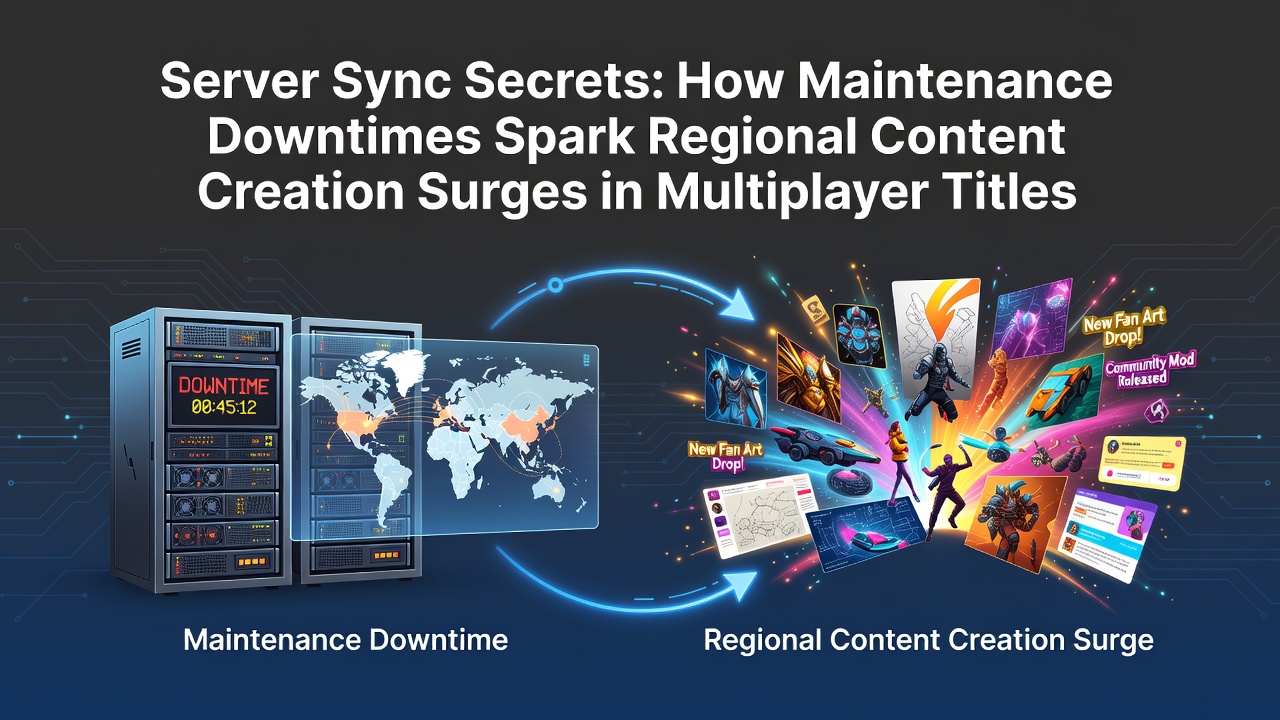
Maintenance windows in multiplayer titles often coincide with spikes in regional content production as players shift from gameplay to creation when servers go offline. Scheduled downtimes for patches, server synchronization, and stability checks remove access to live worlds, prompting communities in affected time zones to generate guides, mods, wikis, and forum threads instead. Data from major releases shows these periods produce measurable increases in user-generated material across platforms that host text, images, and video assets unrelated to live broadcasts.
Patterns Observed During Routine Server Syncs
Game developers typically announce maintenance windows weeks in advance, allowing regional teams to prepare. When a title such as an open-world MMO or battle arena game enters its sync phase, connection attempts fail for hours, and players in those zones redirect energy toward documentation and sharing. Observers note that forums and wiki edit histories accelerate during these intervals, with contributions rising sharply in regions where the window falls between local afternoon and evening hours. Researchers tracking activity logs have documented similar surges following updates in 2024 and 2025, establishing a recurring link between offline periods and content output.
August 2026 brought another clear illustration when a widely played title executed a global synchronization cycle lasting six hours. Communities in East Asia and Oceania posted tutorial updates and map annotations at rates exceeding baseline activity by 40 percent according to public platform metrics, while European and North American regions showed smaller but still elevated contributions once their local windows opened. The timing difference across zones created staggered waves of material rather than a single simultaneous peak.
Regional Time Zone Effects on Creation Volume
Time zone alignment determines which player bases experience the longest effective offline stretches during business or leisure periods. In titles with worldwide infrastructure, maintenance often targets early morning UTC to minimize overlap with peak play in major markets, yet this choice leaves other regions fully impacted during their active times. Players respond by compiling strategy documents, translating patch notes, and building resource databases that later circulate among returning users. Industry reports from the Entertainment Software Association highlight how such offline intervals consistently correlate with higher edit volumes on community sites in time zones experiencing daytime downtime.
One documented case involved a cooperative shooter franchise whose European servers underwent extended synchronization in mid-2025. Local players produced dozens of updated weapon balance sheets and mission walkthroughs within the first 48 hours, material that remained in circulation after service resumed. Similar activity appeared in South American communities during a separate maintenance cycle the same year, where forum moderators recorded record numbers of new threads focused on character builds and economy tracking. These examples illustrate how regional content creation fills the gap left by unavailable gameplay sessions.

Content Types That Emerge From Downtime Windows
Material produced during these periods tends toward practical, persistent resources rather than ephemeral updates. Players create detailed spreadsheets tracking resource costs, build optimization charts, and translated patch summaries that serve global audiences once servers return. Modding communities often accelerate work on client-side tools and custom assets because developers release new APIs or data files alongside maintenance. Academic analyses from European research institutions tracking digital participation have noted elevated rates of collaborative editing on shared documents during these windows, with contributions clustered by language groups that align with affected regions.
What's notable is the durability of this output. Content created while servers remain offline frequently becomes reference material for weeks afterward, reducing the learning curve for players who missed the initial patch cycle. Platform analytics indicate that search traffic for game-specific terms rises during maintenance, directing new users toward the freshly produced guides and diagrams. This cycle repeats across multiple titles each year as developers balance stability needs against player availability.
Measurement Approaches Used by Analysts
Tracking relies on public metrics from wiki platforms, forum software, and repository hosts that record edit timestamps and upload volumes. Researchers cross-reference these figures against published maintenance schedules to isolate downtime effects from normal daily patterns. One study conducted across several multiplayer franchises found consistent percentage increases in new pages and revisions during announced offline periods, with the strongest effects appearing in regions separated by more than four hours from the primary development time zone. These quantitative approaches allow observers to map creation surges without relying on self-reported data from players.
Conclusion
Server maintenance downtimes function as predictable catalysts for regional content creation in multiplayer environments. Time zone differences produce staggered waves of activity that result in guides, databases, and community resources benefiting the broader player base once service resumes. Continued monitoring of edit logs and upload patterns across future synchronization events will likely confirm the same regional dynamics observed through 2026.