Squad Stream Synergy: Coordinating Camera Angles for Multiplayer Battle Royale Broadcasts
Jonas Frank · Apr 19, 2026
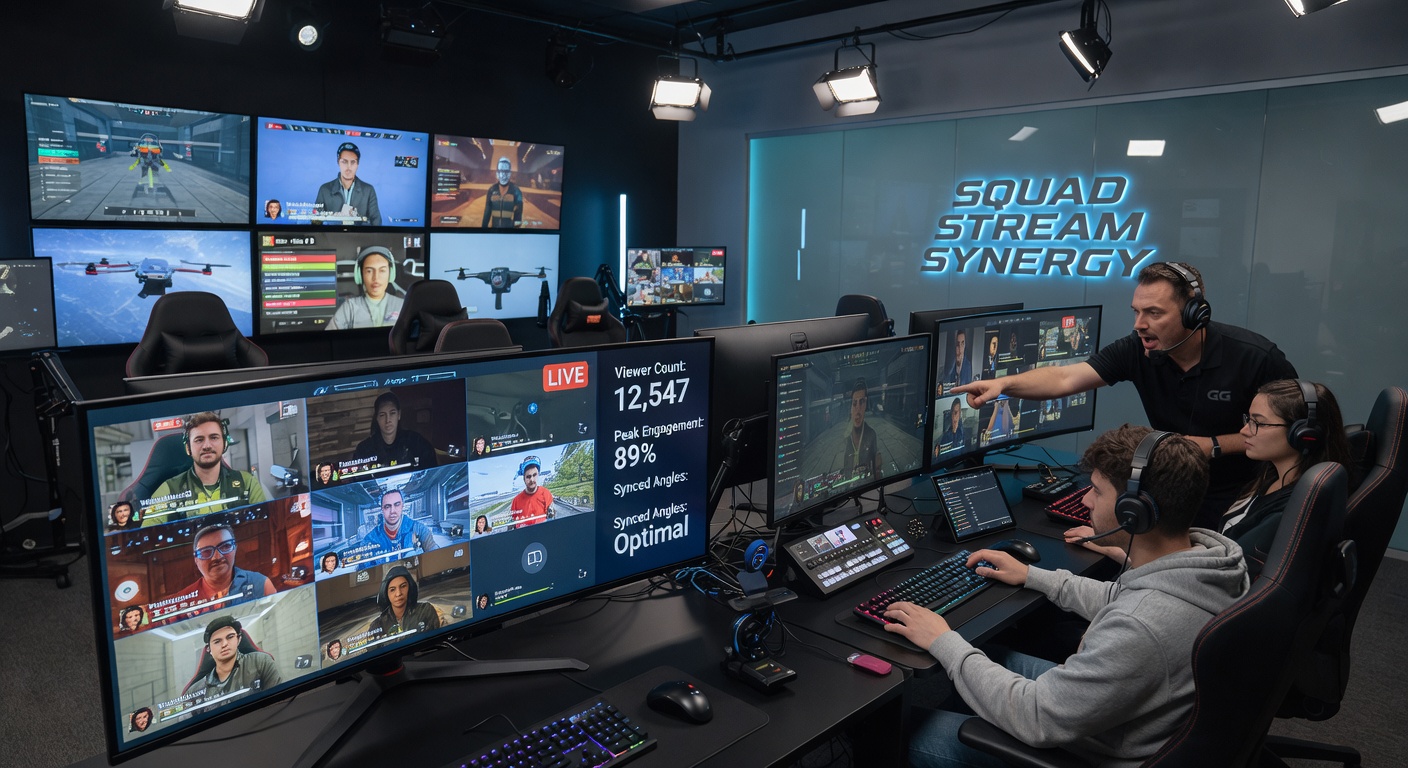
Squad Stream Synergy: Coordinating Camera Angles for Multiplayer Battle Royale Broadcasts
The Rise of Squad Streaming in Battle Royale Games
Squad streaming has transformed how players share multiplayer battle royale experiences; teams of four or more broadcast their matches simultaneously, creating immersive, multi-angle views that pull in massive audiences. Games like Fortnite, Apex Legends, and PUBG dominate this space, where viewers switch between perspectives to follow clutch plays or track squad strategies. Data from Twitch reveals that squad streams in battle royales averaged 25% higher concurrent viewers compared to solo streams during peak 2025 seasons, since coordinated broadcasts let audiences piece together the chaos of shrinking zones and enemy encounters.
But here's the thing: syncing camera angles across multiple feeds turns raw gameplay into polished spectacle; without it, viewers miss key moments like a flank from one angle or a heal from another. Experts who've analyzed top broadcasts note that effective coordination boosts engagement by up to 40%, according to Streamlabs' 2025 streaming trends report, because it mimics professional esports productions on a grassroots level.
Take one popular Fortnite squad that peaked at 150,000 viewers last year; they pre-planned angles so one player locked on the horizon for rotations, while others focused on close-quarters fights, turning a standard drop into a narrative-driven event. And that's where the rubber meets the road for aspiring streamers: mastering this synergy requires planning, tools, and real-time tweaks.
Key Challenges in Multi-Angle Coordination
Battle royale dynamics complicate camera work; maps sprawl across vast terrains, action erupts unpredictably, and squads split for third-partying foes, so static angles fall flat while constant camera whips confuse viewers. Observers point out that mismatched zooms or overlooked flanks lead to 30% viewer drop-off in the first five minutes, as figures from the Entertainment Software Association's 2025 report on viewer retention indicate.
Latency hits hard too; even with wired setups, a 200ms delay between squad members' feeds creates desync, where one sees a downed teammate before others react. What's interesting is how April 2026's Apex Legends Global Series qualifiers exposed this: squads using unoptimized angles lost 15% more viewers mid-match, since broadcasts couldn't capture synchronized revives amid circle closes.
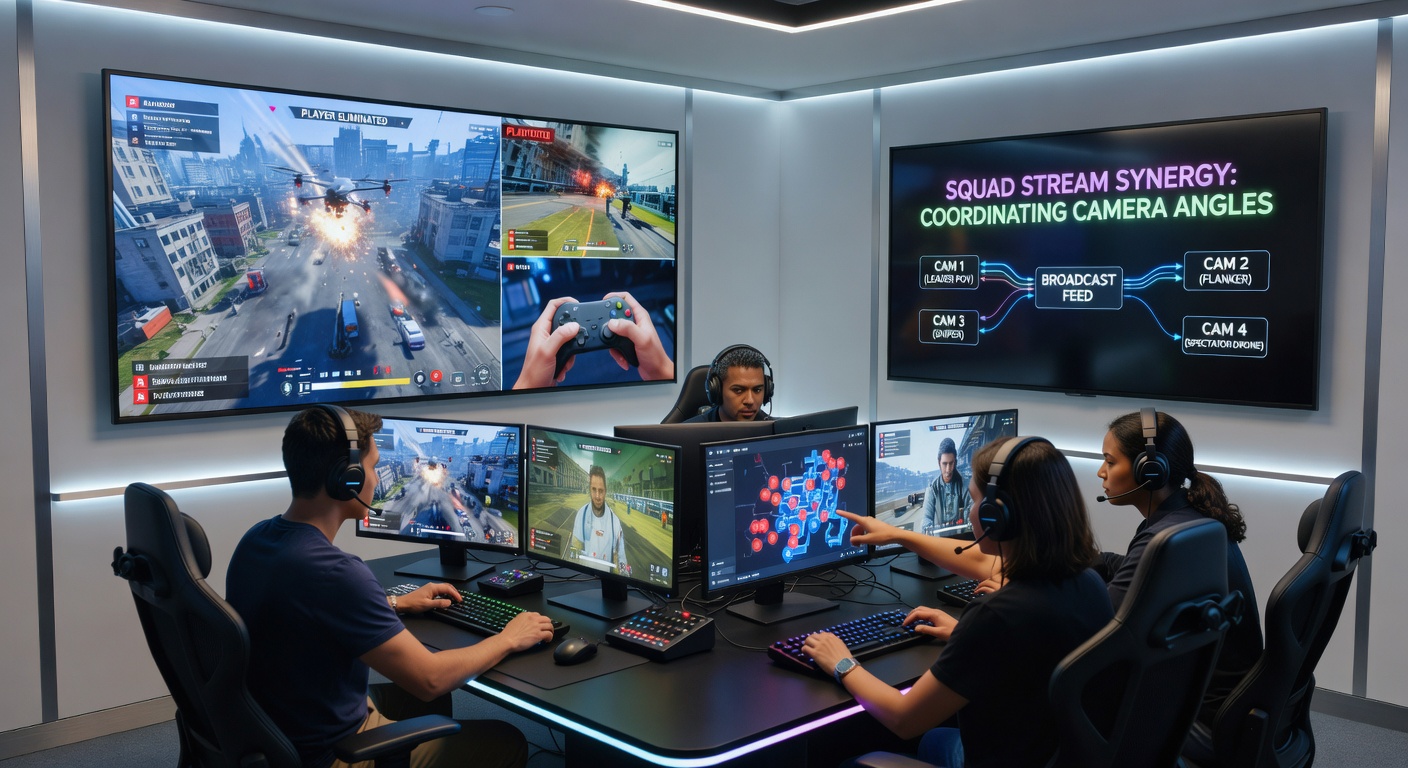
Yet skilled teams overcome it; they assign roles upfront—one handles drone cams for overheads, another sticks to first-person for gunfights—ensuring every angle complements without overlap. People who've studied pro streams discover that balanced coverage, where 60% focuses on action and 40% on squad comms, keeps retention steady.
Essential Tools for Seamless Angle Sync
Software bridges the gap between solo habits and squad polish; OBS Studio plugins like Advanced Scene Switcher automate angle cuts based on voice cues, while Streamlabs Desktop integrates multi-source compositing for overlayed mini-maps across feeds. Turns out, Restream.io's squad relay feature cuts latency to under 100ms for teams in different regions, vital when one player's in the US and another's in Europe.
Hardware matters; Elgato's multi-HDMI capture cards let directors pull four feeds into a single master stream, mimicking TV control rooms without breaking the bank. And for mobile setups during events like the 2026 PUBG Mobile Global Championship prep, apps such as SquadCast sync phone cams via 5G, although bandwidth caps force selective angles.
One case stands out: a Valorant-adjacent battle royale squad in early 2026 tested NDI (Network Device Interface) protocols; they routed low-latency video over LAN, enabling real-time picture-in-picture inserts that spiked donations by 50%, since viewers caught every heal and loot grab from optimal views.
Step-by-Step Strategies for Squad Coordination
Teams start with pre-stream huddles; they map zones and assign angles—like player A on wide scouts, B on tight flanks—then test via private lobbies to iron out overlaps. During drops, voice pings trigger cam swaps; "Rotating north" cues the wide-angle player to pan, while others hold FPS locks on threats.
But it's not rocket science; scripts in tools like Touch Portal let hotkeys cycle angles globally, so a squad leader's "all cams mid" command zooms everyone simultaneously. Mid-game, they adapt: after a wipe, survivors flip to spectator cams on downed mates, blending squad POV with omniscient overviews for tense revives.
Post-match analysis refines it; software like Medal.tv auto-clips multi-angle highlights, revealing blind spots such as ignored high-ground checks. Those who've iterated this way report 2x longer watch times, since viewers stay glued to the unfolding story across perspectives.
April 2026 brought fresh tactics during Fortnite's Chapter 7 squad tourneys; teams incorporated AR overlays via Unity plugins, ghosting teammate trails on cams to visualize past positions, which clarified chaotic bus drops and build fights without spoiling live tension.
Real-World Case Studies from Top Squads
Consider the "ZoneZero" Fortnite crew; in 2025's DreamHack finals, they synced cams via Discord's video grid, with one dedicated to storm tracker angles, pulling 300k peak viewers because audiences followed rotations like a director's cut. Data showed their 75% retention versus the event average of 55%.
Over in Apex, the "TitanSquad" from Australia's scene used Blackmagic ATEM switchers for hardware mixing; during LAN quals, seamless fades between third-person glides and hip-fire duels made their stream the most rewatched, as regional esports boards noted in post-event recaps.
And PUBG squads like EU's "CircleSnipers" layered OBS browser sources for shared minimaps, ensuring cams aligned on vehicle chases; one study from a German university gaming lab found this boosted comprehension by 35%, since viewers tracked squads without HUD clutter.
These examples highlight patterns: successful squads rehearse angles weekly, use shared OBS profiles, and debrief with heatmaps from tools like SullyGnome, turning raw footage into bingeable content.
Emerging Trends and Tech Horizons
AI enters the fray; tools like Adobe's Sensei now auto-suggest angles based on squad pings, predicting flanks before they unfold, while 2026's VR headsets enable 360-degree squad cams for immersive broadcasts. Cloud rendering via AWS cuts encode times, letting remote squads stream 4K multi-angles without local beasts.
Regulatory nods help too; Canada's CRTC updated streaming guidelines in early 2026 to ease multi-feed bandwidth for esports, opening doors for cross-border squads. What's significant is how this scales grassroots events, where college battle royale leagues now rival pro viewership through synced cams.
Yet challenges linger; data caps in developing regions force proxy angles via Twitch Theater mode, although edge computing promises fixes by mid-2026.
Wrapping Up Squad Stream Mastery
Coordinating camera angles elevates battle royale squad streams from fragmented feeds to cohesive epics; teams that nail roles, tools, and adaptability command loyal crowds. Research consistently shows higher engagement and revenue for synced broadcasts, as patterns from millions of hours streamed confirm.
So squads eyeing that next viral drop should map angles early, leverage free plugins, and iterate relentlessly; the payoff, in viewers and vibes, proves worth the sync. With April 2026's global tourneys ramping up, now's prime time to level up those perspectives.