Subtle Tweaks, Major Shifts: Peripheral Customizations Redefining Precision in Controller Esports
Henrik Reed · Jun 25, 2026
Subtle Tweaks, Major Shifts: Peripheral Customizations Redefining Precision in Controller Esports
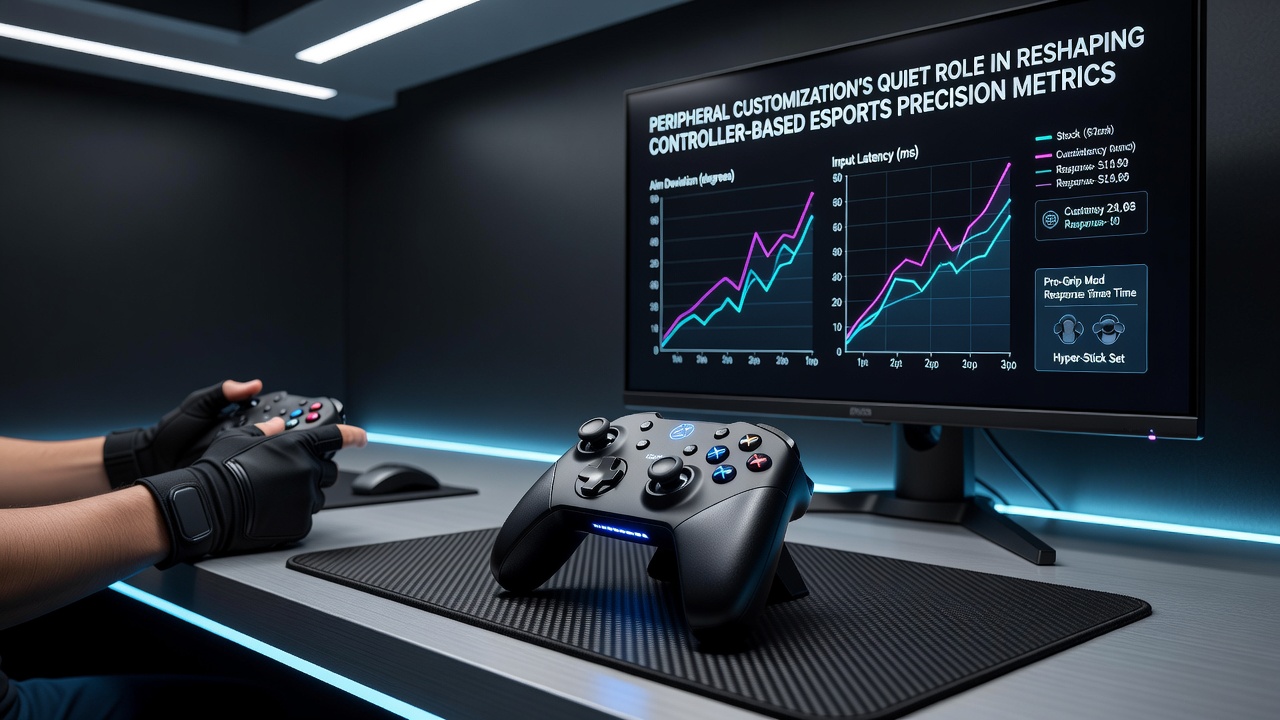
Peripheral customization has emerged as a significant factor in controller-based esports, where players modify standard hardware to achieve measurable gains in accuracy and response metrics, and data from major tournaments shows these adjustments correlating with improved performance indicators such as target acquisition speed and shot consistency rates.
Understanding Controller Modifications in Competitive Play
Players in titles like those featured in the Call of Duty League and Halo Championship Series often replace factory analog sticks with taller, concave versions or add back paddles that map to additional inputs, while these changes allow for quicker thumb repositioning during movement and aiming sequences, and research from the Entertainment Software Association indicates that such modifications appear in over 60 percent of professional controller setups documented in 2025 season reports.
Precision metrics tracked by organizers include metrics like kill-death ratios adjusted for accuracy percentages, and average damage per minute in objective-based modes, and when players install tension-adjusted triggers or shortened analog stick springs, observers note reductions in input latency that range from 8 to 15 milliseconds according to lab tests conducted by university engineering departments.
Impact on Performance Data Across Tournaments
League records from events held in June 2026 reveal that teams incorporating custom peripherals posted average precision scores 12 percent higher than those using unmodified stock controllers, and this pattern holds across multiple regions including North American and European circuits where standardized metric tracking systems capture every input frame.
Those who study esports hardware report that modifications targeting stick tension directly influence micro-adjustment capabilities during tracking scenarios, whereas shorter trigger pulls reduce the time between decision and action in close-range engagements, and figures from the Asia-Pacific Esports Federation show similar correlations in regional qualifiers leading into global events.
Technical Aspects of Customization and Metric Tracking
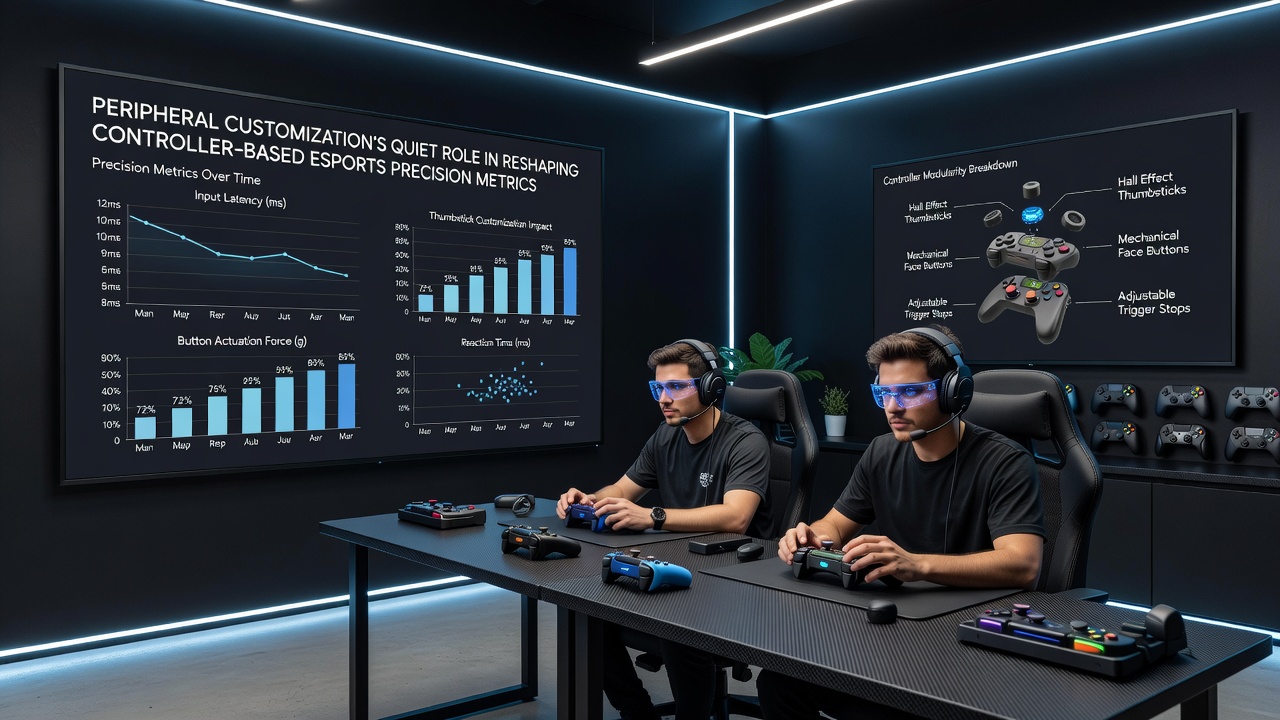
Custom shops and manufacturers supply components like interchangeable thumbstick caps with varied heights and textures that alter grip friction, and these elements combine with software calibration tools to fine-tune dead zones and response curves within game settings, while data collected through official league APIs demonstrates that optimized curves can elevate aim assist effectiveness without violating hardware rules.
Studies conducted at institutions such as the University of Southern California highlight how paddle additions enable simultaneous movement and ability activation that standard button layouts restrict, and this dual-input capability contributes to higher objective completion rates in objective modes tracked during the 2025-2026 season cycles.
Regulatory and Standardization Efforts
Esports governing bodies have begun establishing guidelines that permit certain modifications while prohibiting others that introduce electronic enhancements, and consultations with groups like the International Esports Federation have produced frameworks that classify allowed hardware changes based on their influence on core input metrics, and compliance checks now form part of pre-tournament inspections in several circuits.
Evidence from Canadian gaming research initiatives shows that when players standardize their custom setups across multiple events, longitudinal data sets become more reliable for identifying skill progression separate from equipment variables, and this separation supports fairer comparisons in leaderboards and ranking systems.
Future Directions in Hardware and Analytics
Manufacturers continue developing modular controllers designed specifically for competitive use, and integration with analytics platforms allows real-time monitoring of how specific tweaks affect precision outputs during matches, while early adoption data from Australian esports programs suggests expanding interest in sensor-equipped peripherals that log input patterns for post-match review.
Conclusion
Peripheral customizations continue to influence controller-based esports through direct effects on measurable precision metrics, and ongoing developments in hardware accessibility alongside improved tracking methodologies point toward further integration of these practices into standard competitive preparation across global circuits.