Timezone Tactics: Asynchronous Esports Viewing and Its Influence on Global Fan Engagement Patterns
Jonas Frank · May 31, 2026
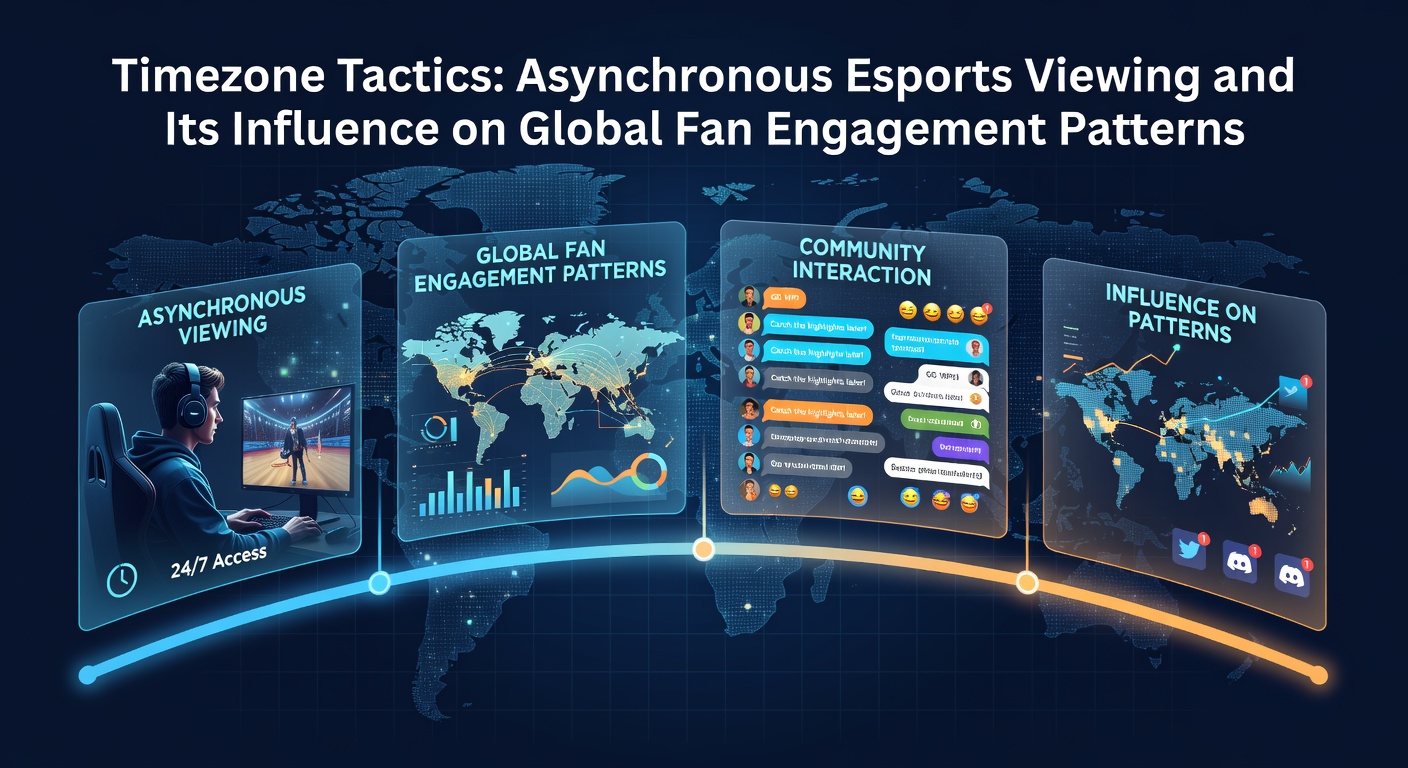
Timezone Tactics: Asynchronous Esports Viewing and Its Influence on Global Fan Engagement Patterns
Esports tournaments often span multiple regions and time zones, which leads viewers to rely on recorded matches, highlight reels, and community discussions rather than live broadcasts. Data from industry reports shows that asynchronous viewing accounts for a growing share of total engagement hours in titles like League of Legends and Valorant, particularly among audiences in Asia and Europe when events originate in North America.
Researchers tracking platform metrics note that peak on-demand views for major finals occur between 12 and 48 hours after the live event concludes, with clips shared on short-form platforms driving secondary spikes in traffic. This pattern emerged clearly during the 2025 international circuit and continued into spring 2026.
Viewing Patterns Across Regions
Figures from tournament organizers reveal that fans in Australia and Southeast Asia frequently consume full VODs overnight or during commute hours, whereas North American viewers more often sample condensed highlight packages the following day. European audiences show higher interaction rates with region-specific commentary tracks added to archived footage. These differences stem from work schedules and daylight alignment rather than content preference alone.
Studies conducted by university media labs indicate that asynchronous viewers spend comparable total time with a tournament as live audiences, yet they engage more deeply with post-match analysis threads and player interviews released days later. One analysis of 2025 championship data found that 62 percent of global views for the grand final occurred outside the original broadcast window.
Impact on Community Interaction
Community platforms experience sustained activity when fans in later time zones discover results through social feeds and then seek out key moments. Moderators on major discussion forums report that spoiler-tagged threads remain active for up to a week after events, allowing viewers to participate without live spoilers. This extended conversation window alters how teams and sponsors time their announcements and merchandise drops.
According to a report published by the Entertainment Software Association, asynchronous consumption correlates with increased cross-regional fan collaboration on strategy breakdowns and fan art. Viewers who watch recordings often contribute longer-form commentary compared with live chat participants, creating layered archives that newer fans reference months afterward.
Platform Adaptations and Metrics
Streaming services have introduced features such as adjustable playback speeds, chapter markers for key rounds, and synchronized chat replays to improve the recorded experience. Usage statistics released in early 2026 show that these tools increased average completion rates for full matches by 18 percent among non-live viewers. Mobile apps further support this shift by allowing offline downloads and push notifications for newly uploaded segments.
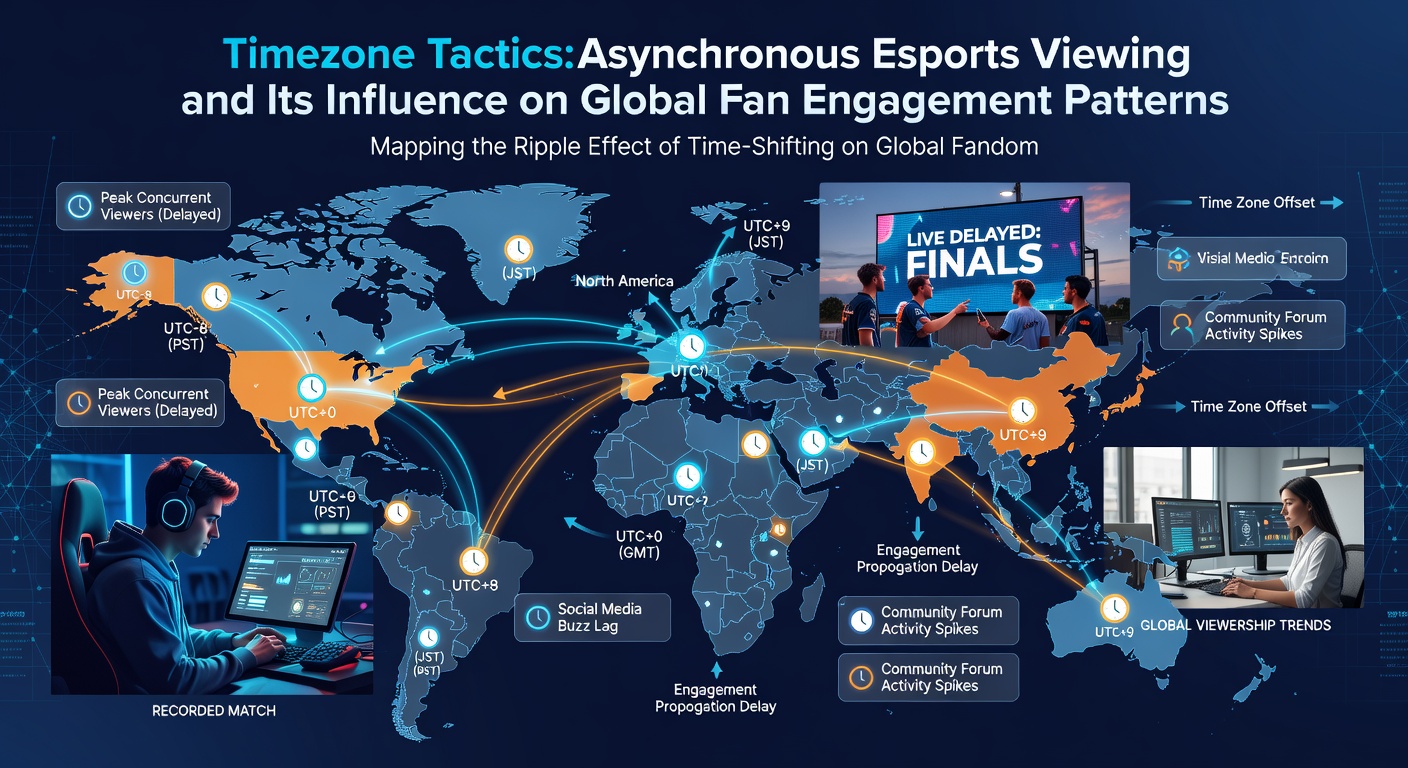
Analytics firms tracking engagement note that asynchronous viewers generate higher rates of clip sharing and reaction content, which in turn feeds algorithmic recommendations and brings in additional audiences over time. This secondary circulation extends the commercial lifespan of each tournament beyond the initial weekend.
Effects on Tournament Scheduling and Production
Event producers have begun releasing multiple language dubs and regional highlight packages within hours of the live broadcast to capture delayed viewers. Data collected through May 2026 indicates that tournaments offering same-day localized VODs retain 25 percent more international viewers than those relying solely on original language archives. Organizers also adjust start times for certain matches based on historical on-demand viewership patterns rather than live audience estimates alone.
Academic papers examining media consumption habits describe how asynchronous access reduces the exclusivity of live events while expanding overall reach. Fans who cannot attend live streams still contribute to view counts, social metrics, and merchandise interest, which broadens the economic base for teams and leagues operating across continents.
Conclusion
Timezone differences continue to reshape how global audiences interact with esports content. Recorded viewing sustains engagement long after live broadcasts end, supports deeper community analysis, and influences production decisions around release timing and localization. Metrics gathered through 2026 demonstrate that these patterns have become a stable component of the esports media ecosystem rather than a temporary workaround.