Translation Tech Unlocks New Frontiers for International Esports Audiences
Avery Russell · Jul 26, 2026
Translation Tech Unlocks New Frontiers for International Esports Audiences
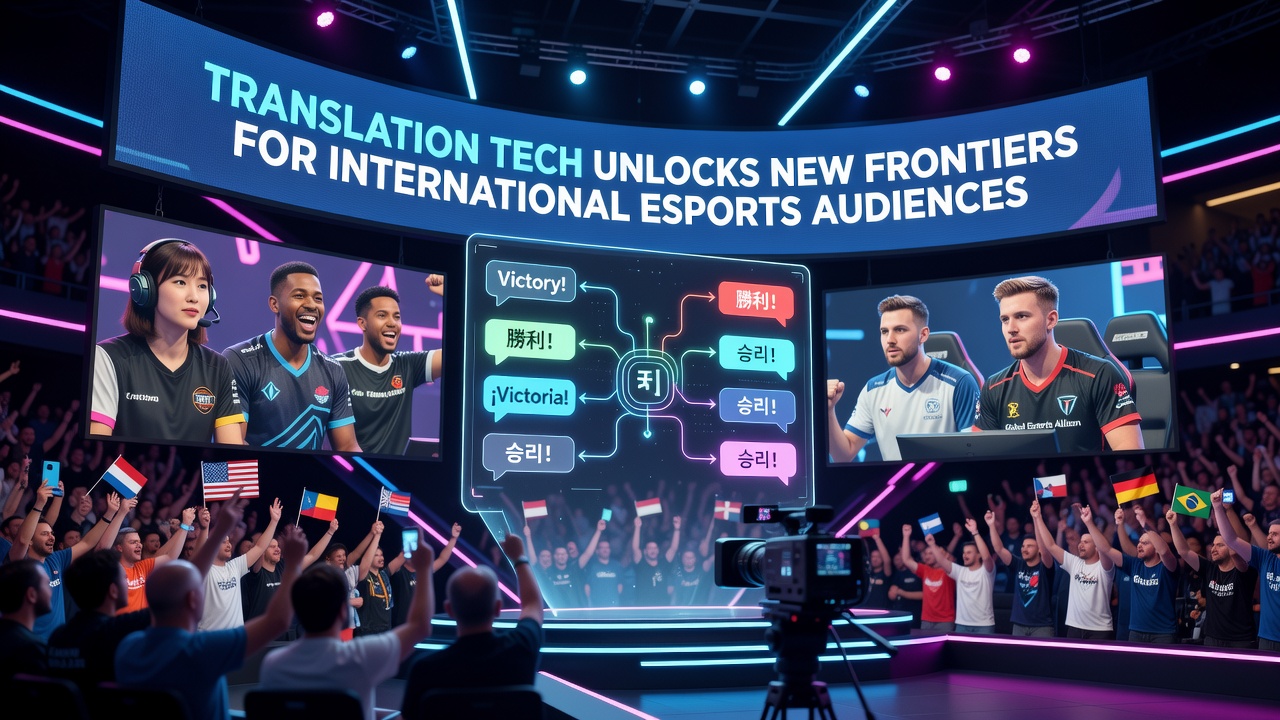
Translation technology has expanded access to esports events for audiences across language barriers, adn data from industry reports show that real-time captioning systems now support over 40 languages during major tournaments. These tools process live commentary, player communications, and on-screen text simultaneously, which allows viewers in regions where English dominates broadcast feeds to follow action without delay. According to figures released by the European Commission in early 2026, esports viewership in non-English speaking countries grew 28 percent year-over-year once automated translation layers became standard on major platforms.
Core Components Driving Adoption
Modern systems combine neural machine translation models with domain-specific training on gaming terminology, and this approach reduces errors that plagued earlier subtitle tools. Observers note that companies integrate automatic speech recognition first, then apply context-aware engines to handle slang, champion names, and strategy calls common in titles like League of Legends or Valorant. Research from the University of Melbourne indicates that accuracy rates for esports jargon reached 92 percent in controlled tests conducted during the second quarter of 2026, up from 71 percent two years prior.
Hardware requirements remain modest because cloud processing handles the heavy lifting while local devices receive pre-translated streams. Viewers simply select preferred languages through platform menus, and the same infrastructure supports both live events and archived matches. Data compiled by the Asia-Pacific Esports Federation reveals that mobile users account for 64 percent of translated viewing sessions, reflecting broader trends in how audiences consume competitive gaming content outside traditional desktop setups.
Regional Implementation Patterns
Tournaments held in July 2026 demonstrated scaled deployment across multiple continents. Organizers in South Korea integrated translation overlays for Portuguese and Arabic audiences during the Mid-Season Invitational, while European circuits added support for Hindi and Swahili to reach emerging markets. These expansions followed pilot programs that measured retention rates before and after translation features appeared. Results published by the Canadian Institute for Digital Media showed average watch time increased by 19 minutes per session when subtitles matched viewer language preferences.
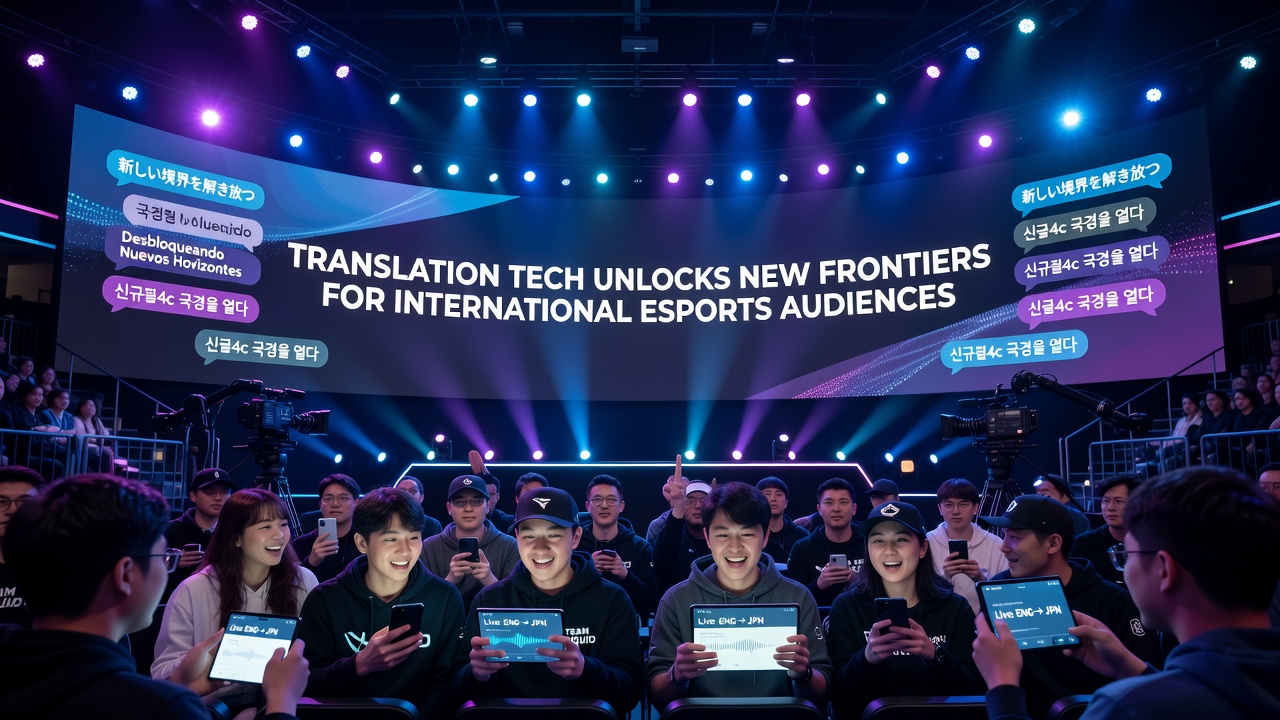
Community-driven contributions further refine these systems because players and fans submit corrections through in-app feedback loops. One study from Monash University tracked how user corrections improved model performance over successive events, reducing recurring mistranslations of region-specific terms by nearly half. This collaborative layer complements automated pipelines without requiring organizers to maintain separate localization teams for every market.
Viewer Engagement Metrics
Analytics platforms report that translated streams generate higher interaction rates in chat and social media discussions. Figures from the Australian Interactive Games Association indicate that audiences using non-native language options post 34 percent more messages during matches compared with those limited to original audio tracks. The pattern holds across battle royale formats and tactical shooters alike, suggesting the benefit stems from comprehension rather than game genre specifics.
Archived content benefits similarly because translation layers remain attached to recordings. Viewers who missed live broadcasts can search subtitles for key moments, which increases discoverability of older matches. Industry organizations tracking platform behavior note that recommendation algorithms now surface translated highlights more frequently, extending the lifespan of events beyond initial air dates.
Technical Challenges and Ongoing Adjustments
Latency remains a consideration even as networks improve, because additional processing steps occur between original audio and final delivery. Engineers mitigate this through edge computing nodes positioned near high-density viewer regions, and tests conducted ahead of the 2026 Pacific Championship showed average delays under 800 milliseconds for most language pairs. Continued investment in model compression techniques continues to narrow the gap between source and translated feeds.
Accent variation and rapid speech during high-pressure moments still present edge cases that require periodic retraining. Researchers at institutions across North America and Europe continue publishing datasets focused on esports commentary to address these gaps, and organizations like the International Esports Federation have begun incorporating these findings into official broadcast guidelines.
Conclusion
Translation infrastructure now forms a standard component of international esports distribution rather than an optional add-on. Evidence from multiple regions demonstrates measurable gains in audience size, session duration, and cross-border participation when language access expands. As models incorporate more specialized terminology and latency decreases further, the same frameworks support additional formats including in-game voice chat translation for amateur squads. The trajectory points toward broader integration across live and recorded content, driven by data that consistently links language accessibility to sustained viewer growth.