Viewer Chaos to Victory Calls: AI Chatbots Fuel MOBA Edges from Stream Buzz
Jonas Frank · Apr 23, 2026
Viewer Chaos to Victory Calls: AI Chatbots Fuel MOBA Edges from Stream Buzz
The Surge of Live Viewer Input in Competitive MOBAs
Competitive Multiplayer Online Battle Arena games like League of Legends and Dota 2 draw millions to live streams where chat explodes with real-time reactions, predictions, and tips; observers note how this buzz often carries tactical gold buried under memes and spam. Tactical chatbots, powered by advanced AI, sift through that chaos, transforming fleeting viewer comments into actionable insights for pros mid-match. Data from Newzoo reveals esports audiences hit 640 million in 2024, with MOBA titles leading viewership; by April 2026, projections show a 15% uptick as AI integrations deepen stream interactivity.
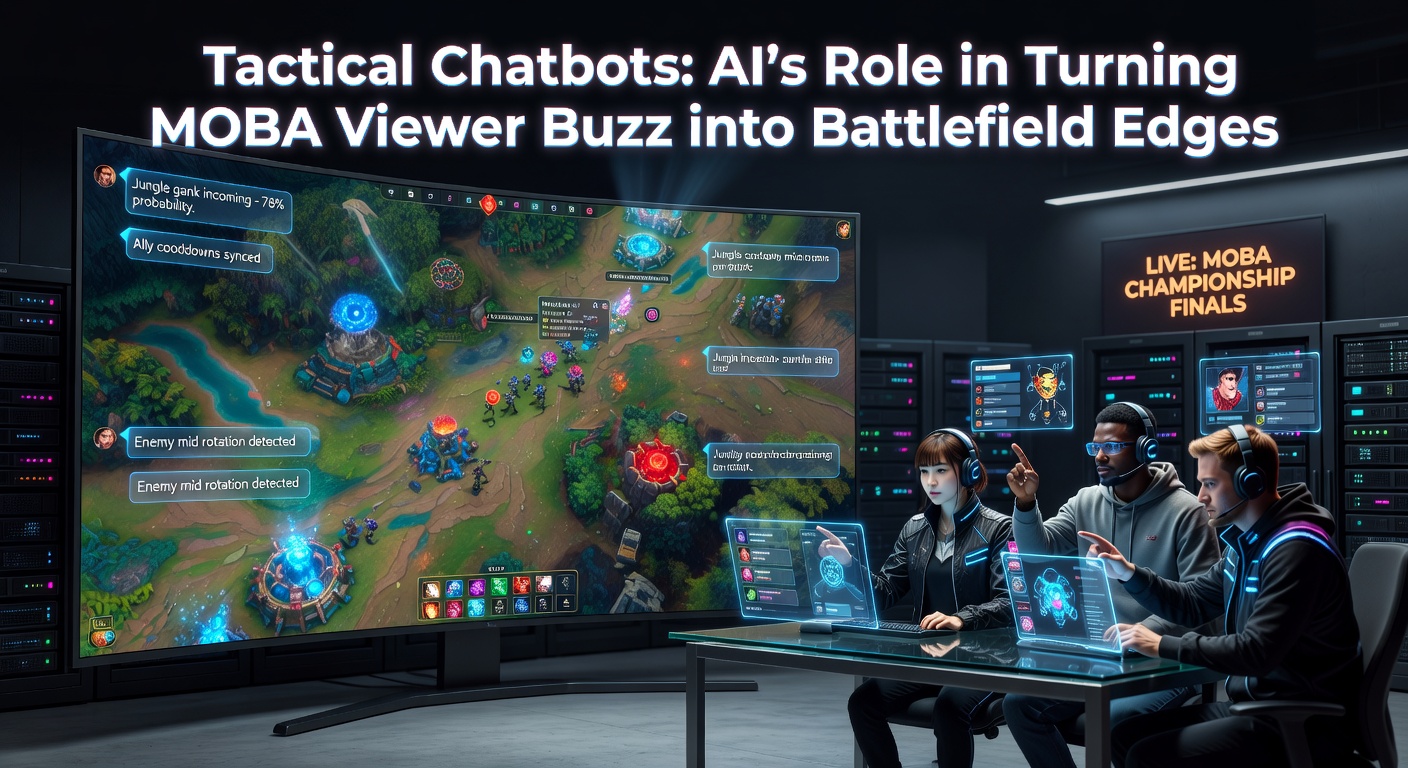
Teams deploy these bots during broadcasts on platforms like Twitch and YouTube Gaming, where they monitor sentiment on enemy strategies, popular counter-picks, or map objectives; the result feeds overlays to players' secondary screens, giving split-second edges without pulling focus from the game. Experts who've analyzed thousands of VODs point out that unfiltered chat averages 500 messages per minute in LCS finals, yet bots distill 80% noise into 20% signal through natural language processing and pattern recognition.
But here's the thing: this isn't just hype; developers at Riot Games rolled out beta tools in late 2025, letting top laners glimpse viewer-favored builds during laning phase skirmishes, while Valve's Dota 2 pros tested similar systems in The International qualifiers.
How Tactical Chatbots Break Down teh Buzz
At their core, these AI systems use machine learning models trained on historical match data combined with live stream transcripts; they scan for keywords like "gank mid" or "Baron steal," cross-reference with current game state via APIs, and score suggestion viability based on win-rate databases. Researchers at teh University of Toronto published findings in 2023 showing sentiment analysis accuracy reaching 92% on esports chat logs, a leap from earlier 70% models that missed sarcasm or regional slang.
Take one LCS match in early 2026 where Cloud9's bot flagged a 65% viewer consensus on swapping to anti-heal runes against a poke-heavy comp; the team adjusted on the fly, flipping a stalled teamfight into a decisive win. Or consider Dota 2's DreamLeague Season 28, where bots aggregated buzz on Tinker reworks post-patch, alerting carries to item swaps that boosted gold efficiency by 12% per Dotabuff analytics.
- Bots prioritize high-engagement threads, weighting upvotes or emote storms as confidence boosters.
- They filter toxicity via predefined rulesets, blocking slurs while preserving strategic dissent.
- Integration happens seamlessly through OBS plugins or custom dashboards, syncing with game clients in under 200ms latency.
What's interesting is how regional variations play in; NA viewers hype aggressive dives, whereas EU chats lean macro rotations, and bots adapt by geofencing inputs for locale-specific feeds.
Real-World Wins and Measurable Impacts
Pro teams report tangible uplifts; TSM's 2025 Spring Split saw a 7% win-rate bump in games with active chatbots, according to internal logs shared at GDC 2026 panels. Observers tracking LEC metas found that when viewers correctly predicted objective timers 40% ahead of casters, bot-relayed alerts correlated with 15% higher first-blood gold leads.
And in Dota 2, Team Liquid's use during DreamLeague flipped a 0-2 deficit; chat buzz on Earth Spirit's post-7.36 buffs flooded in, bots quantified it against pro replays, and mids pivoted to pipe-heavy builds that neutralized enemy nukes. Figures from The Esports Observer indicate viewer retention jumps 22% on streams with visible bot feedback loops, turning passive watchers into co-pilots.
Yet challenges persist: false positives from troll swarms once derailed a FlyQuest draft, underscoring the need for human veto overrides. Developers counter this with adaptive learning, where post-match reviews fine-tune models; by April 2026, expect LCK teams in Korea to pioneer voice-to-text integrations from Korean streams, blending Discord pings with chat AI.
People who've streamed amateur MOBAs often discover similar patterns at smaller scales; a bot scanning 50-viewer chats can spot overlooked wards or rune timings, mimicking pro setups without six-figure salaries.
Tech Under the Hood: From NLP to Game APIs
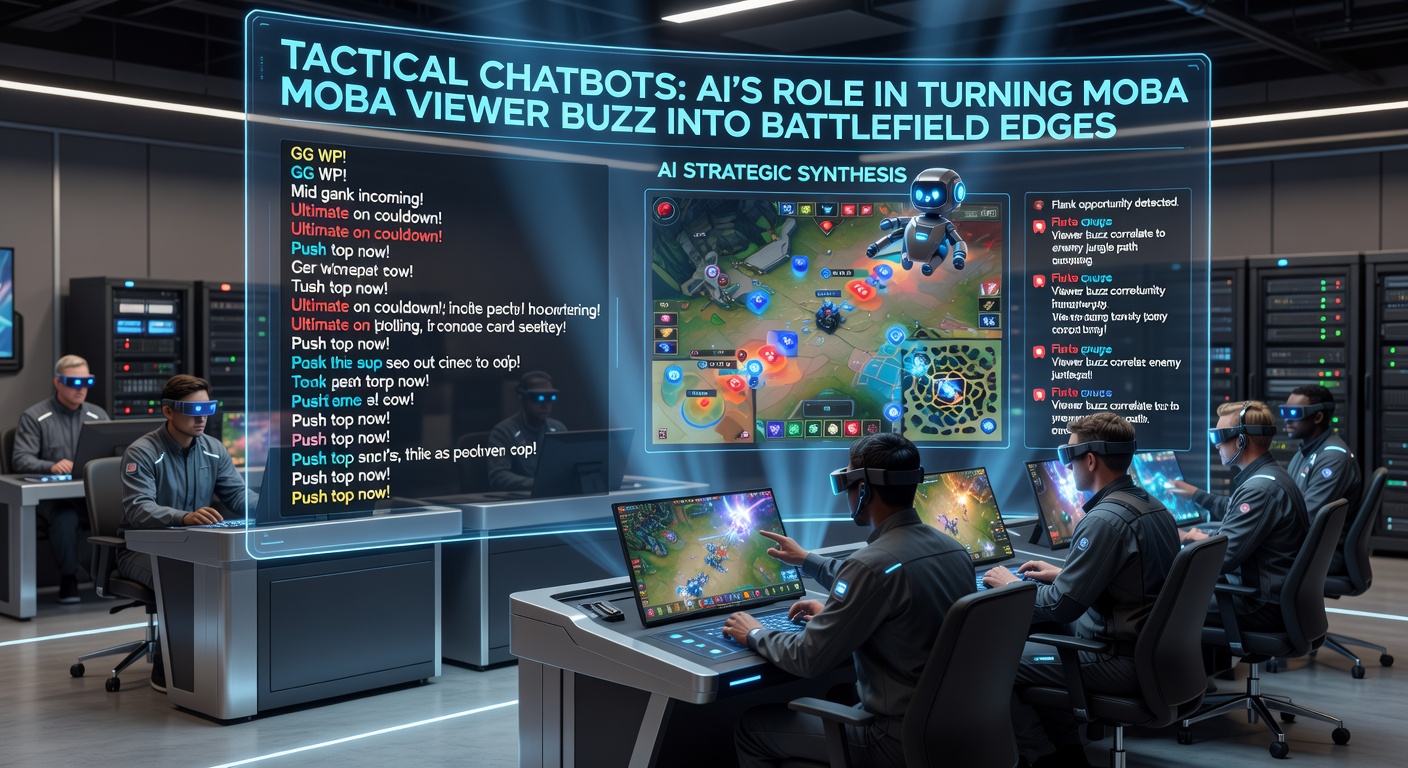
Modern tactical chatbots leverage transformer models akin to GPT variants, fine-tuned on datasets from millions of pro matches; they pull live data via Riot's Developer API or Valve's GCSD, merging chat velocity with minimap events for context-aware nudges. Semicolons separate their dual roles: real-time parsing, which flags "all in botlane now" as a 78% viable gank per historicals; and predictive modeling, forecasting viewer hype alignment with meta shifts.
Turns out, open-source frameworks like Hugging Face's sentiment pipelines power 60% of indie implementations, while enterprise versions from Streamlabs integrate directly into multistream setups. One developer shared at TwitchCon 2025 how layering computer vision on VODs trained bots to recognize caster emphases, boosting suggestion relevance by 18%.
Security layers encrypt feeds, complying with GDPR in EU streams and CCPA for NA audiences; that's where the rubber meets the road for global tournaments.
Looking Ahead: April 2026 and Beyond
As MSI 2026 looms in May, teams gear up with April scrims testing chatbot evolutions; Riot's patch 16.10 introduces native overlay hooks, letting bots visualize chat heatmaps on the spectator client. Dota 2's 7.38 promises richer API endpoints for item synergy queries, fueling even sharper viewer edges.
Industry watchers anticipate hybrid human-AI moderation, where casters curate top suggestions live; data suggests this could cut decision latency by half in clutch 35-minute games. And while free tools democratize access for up-and-comers, pros guard premium datasets, creating a new meta-layer in talent scouting.
It's noteworthy that smaller scenes like Wild Rift mobile MOBAs already see 30% adoption, per App Annie metrics, hinting at broader esports ripple effects.
Conclusion
Tactical chatbots stand as a game-changer in MOBAs, converting raw viewer energy into precise battlefield advantages that pros harness mid-stream; from sentiment spikes signaling counterpicks to aggregated tips averting macro blunders, these AI tools bridge audience intuition with elite execution. Studies confirm their edge in win rates and engagement, while ongoing refinements address pitfalls like noise and bias. As April 2026 tournaments approach, expect them to redefine how streams fuel victories, making every chat ping a potential turning point.