Viewer Reactions Shape Update Schedules for Live Service Games
Henrik Reed · Aug 23, 2026
Viewer Reactions Shape Update Schedules for Live Service Games
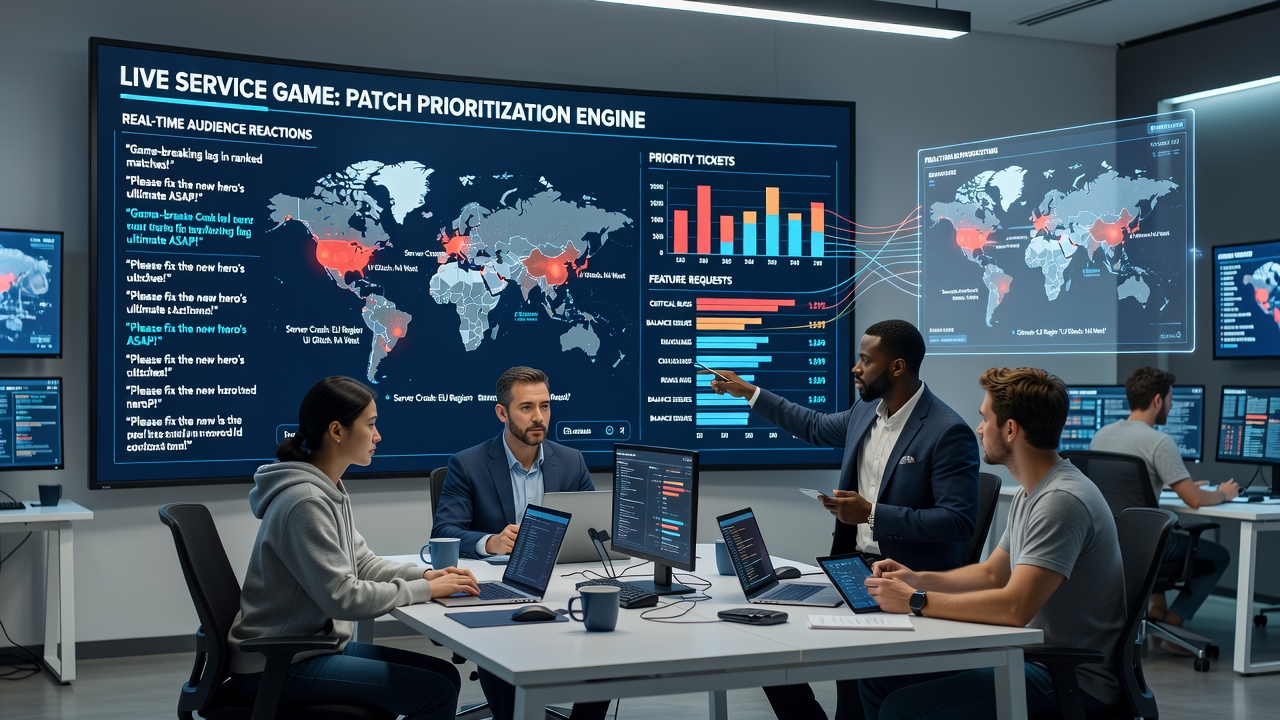
Live service games rely on continuous updates to maintain player engagement, and developers now incorporate real-time audience reactions as a key factor when ranking patch priorities. Teams monitor streams, chat logs, and social platforms to detect balance complaints, bug reports, and emerging meta shifts as they happen during major events or daily play sessions. Data from these sources flows into internal dashboards that combine sentiment analysis with quantitative metrics such as match completion rates and item usage statistics.
Studios track spikes in negative feedback within minutes of a new season launch, allowing them to isolate problematic abilities or maps before they affect larger player bases. In August 2026 several titles adjusted hotfix timelines after aggregated viewer comments highlighted frame rate drops on specific hardware configurations during peak evening hours across multiple regions.
Data Collection Methods
Developers integrate APIs from streaming platforms and social networks to pull comments, emojis, and reaction counts into centralized systems. These tools categorize feedback by topic, urgency, and volume while filtering out noise from isolated complaints. Analysts cross-reference the resulting datasets with telemetry from game servers to confirm whether reported issues align with actual performance drops or simply reflect vocal minorities.
One studio working on a battle arena title noticed that viewer discussions about a newly introduced character spiked within the first hour of a tournament broadcast. The team pulled match data showing reduced win rates for that character in high-skill brackets and moved the adjustment to the next scheduled patch rather than waiting for the monthly cycle. Such correlations help teams distinguish between temporary frustration and systemic problems that require immediate code changes.
Case Examples From Major Titles
Teams behind persistent online shooters have used live audience signals to reprioritize weapon tuning after community streams revealed unexpected dominance patterns during weekend tournaments. When chat volume around a particular sniper rifle increased sharply and server logs confirmed elevated kill rates, the studio issued a targeted damage reduction within forty-eight hours. Observers note that this approach shortened the interval between identification and deployment compared with earlier cycles that relied solely on post-match surveys.
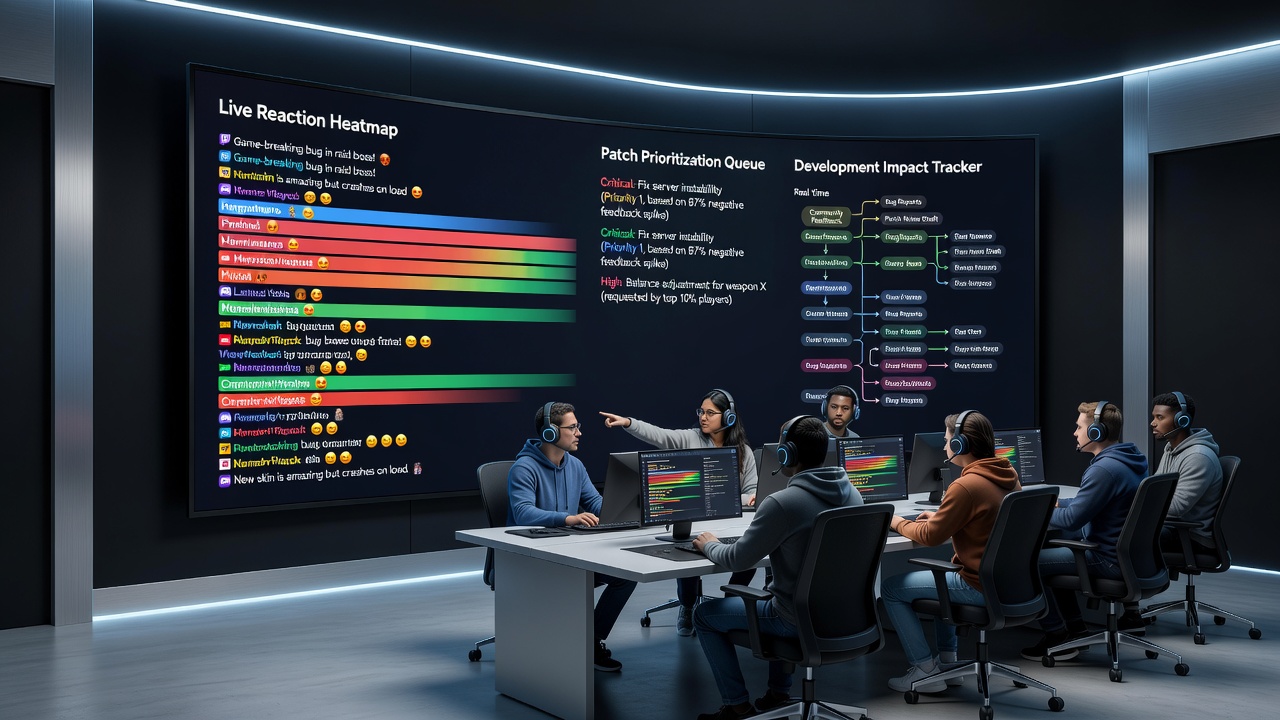
Role-playing games with seasonal events also apply the same process when audience reactions to new story chapters surface inconsistencies in quest rewards or enemy scaling. Developers compare the volume of comments across time zones to determine whether adjustments affect players in Asia, Europe, or North America differently, then schedule region-specific patches accordingly. Research from the Entertainment Software Association indicates that titles adopting these methods reduced average time-to-fix for high-visibility issues by approximately thirty percent between 2024 and 2026.
Integration With Internal Prioritization Frameworks
Patch prioritization meetings now include dedicated slots for reviewing aggregated audience data alongside traditional bug trackers and sales figures. Product leads assign weighted scores to issues based on how frequently they appear in live discussions, how quickly negative sentiment spreads, and how many players appear affected according to telemetry. This scoring system helps teams allocate limited engineering resources to changes that maintain both player retention and competitive integrity.
Engineers working on a large-scale multiplayer title in August 2026 reported that a sudden surge in comments about server stability during a global event prompted an earlier deployment of infrastructure upgrades. The decision came after dashboard alerts showed simultaneous complaints across three continents within a two-hour window, confirming the problem exceeded normal variance. Such rapid validation allows studios to act before temporary issues evolve into long-term player attrition.
Challenges in Processing Audience Signals
Filtering genuine concerns from coordinated campaigns or meme-driven outrage remains an ongoing task for analysis teams. Automated systems sometimes flag trending topics that lack corresponding telemetry evidence, requiring human review to prevent unnecessary code changes. Developers also manage time zone differences so that feedback from one region does not overshadow patterns emerging elsewhere during off-peak hours.
Academic studies, including work published by researchers at the University of Melbourne, examine how platforms weight real-time reactions against long-term player behavior data. Their findings suggest that combining both streams produces more stable update schedules than relying on either source alone. Teams continue refining algorithms that detect when audience volume reflects broad consensus versus localized frustration.
Conclusion
Real-time audience reactions now serve as an active input layer in patch prioritization workflows for live service games. Studios combine chat monitoring, social sentiment tools, and server telemetry to identify and rank issues faster than previous survey-based methods allowed. As data integration improves, teams gain clearer signals for deciding which fixes reach players first while maintaining consistent update cadences across regions and platforms.