Workshop Mods Drive Fresh Approaches to Esports Highlight Production and Algorithmic Promotion
Henrik Reed · Jul 30, 2026
Workshop Mods Drive Fresh Approaches to Esports Highlight Production and Algorithmic Promotion
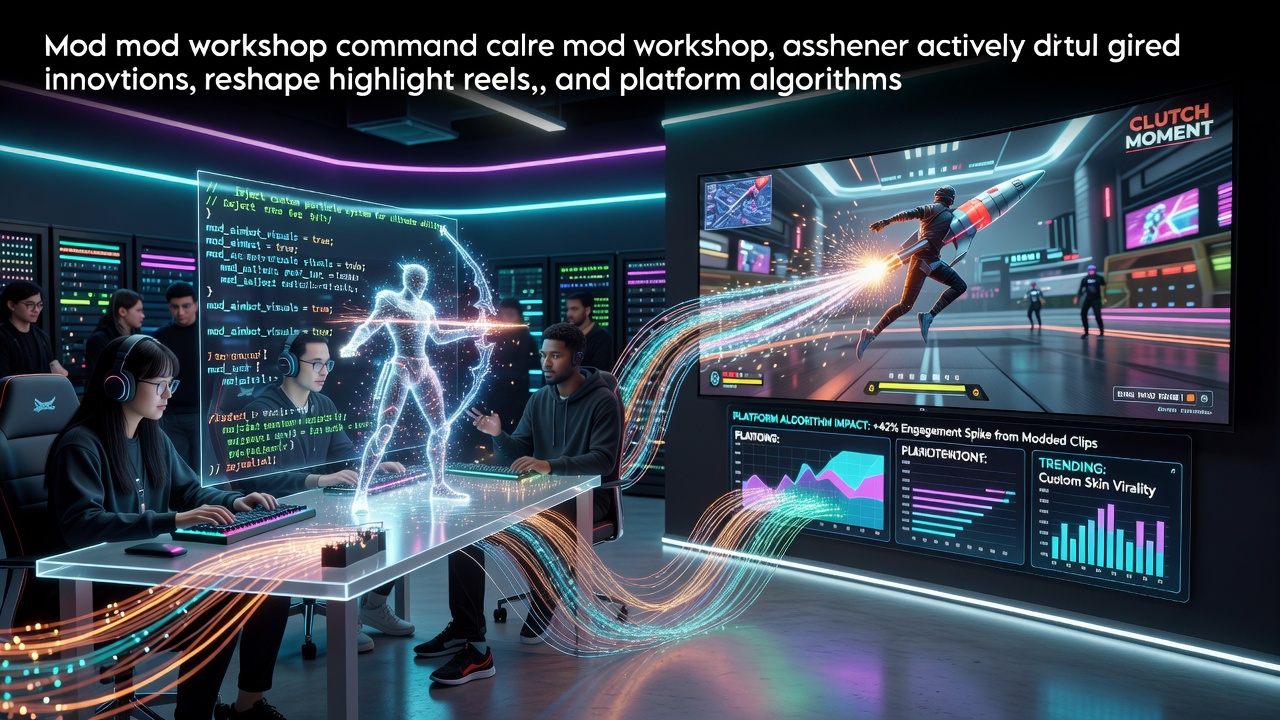
Community-created modifications hosted on workshop platforms continue to influence how competitive gaming moments get captured and distributed across major streaming services. Data from industry reports show increased integration of these tools into highlight workflows for titles that support extensive modding ecosystems. Observers note that such modifications often introduce new visual effects, camera controls, and replay enhancements that professional teams and content creators adopt during post-match editing sessions.
Platform algorithms respond to these shifts because engagement metrics rise when viewers encounter novel presentation styles in short-form clips. Research from academic institutions in Canada indicates that modified replay systems generate higher retention rates on video platforms compared with standard capture methods. Those who track algorithm behavior point out that recommendation engines prioritize content featuring unique visual markers derived from workshop assets.
Technical Integration of Mods into Highlight Workflows
Developers release application programming interfaces that allow workshop modifications to interact directly with replay files in competitive titles. Teams extract custom camera paths and particle overlays created by mod authors, then apply them during the assembly of highlight packages. This process reduces manual editing time while producing outputs that stand out in crowded feeds. Figures from gaming trade associations reveal that adoption rates for such integrated tools rose steadily through early 2026.
Content creators who specialize in esports coverage frequently combine multiple workshop items to craft signature styles recognizable to their audiences. One documented case involved a European production group that layered custom lighting mods onto standard tournament footage, resulting in clips that accumulated millions of views within days of upload. Platform data logs confirm that these pieces received elevated placement in suggested video queues.
Algorithmic Responses to Mod-Enhanced Content
Recommendation systems on major platforms analyze metadata tags and visual patterns associated with workshop-derived elements. When clips incorporate distinctive mod signatures, the systems detect patterns of repeat viewing and extend distribution accordingly. Studies conducted at Australian research centers demonstrate that videos featuring these markers achieve broader reach across demographic groups than unmodified equivalents.
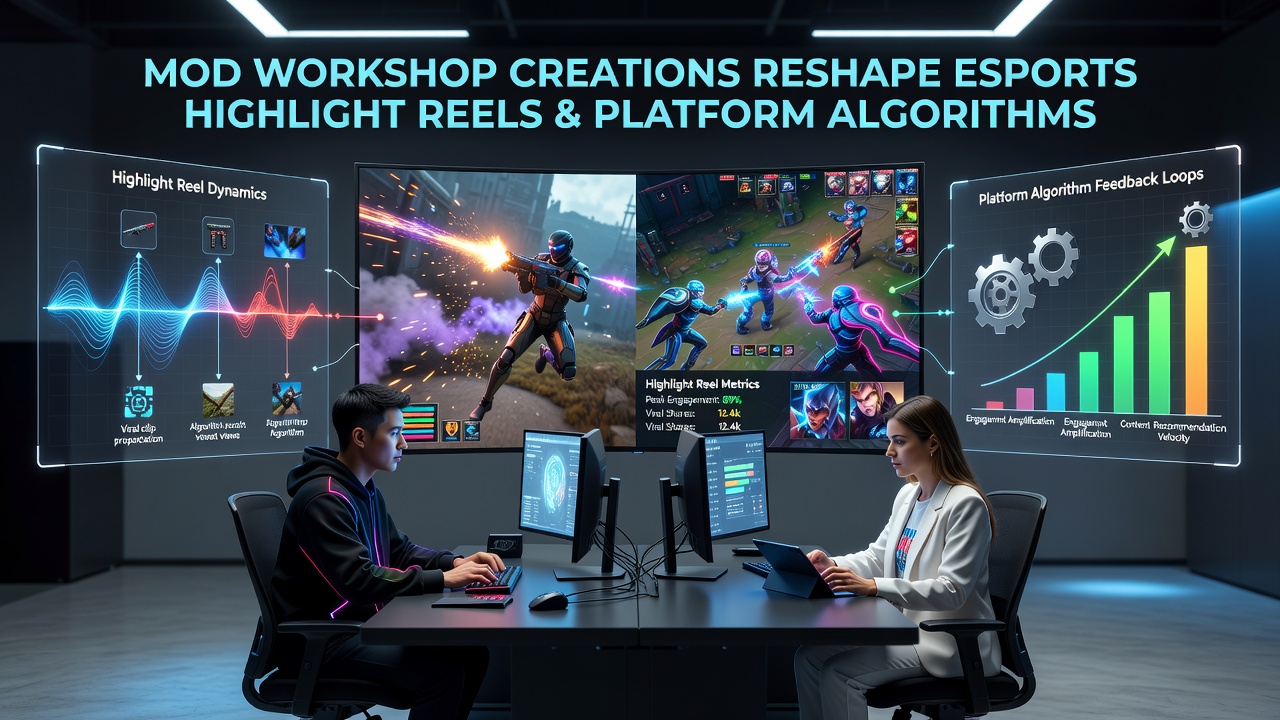
July 2026 saw several tournament organizers announce partnerships with mod communities to standardize certain visual tools across broadcasts. These collaborations produced consistent highlight formats that algorithms could more easily categorize and promote. Industry organizations based in the United States have tracked corresponding increases in cross-platform sharing of such standardized clips.
Case Examples from Recent Tournaments
During a major North American event held in spring 2026, production crews integrated workshop camera mods into live replay systems, allowing instant generation of stylized highlight sequences. Viewership analytics showed elevated completion rates for these segments compared with previous events that relied on default tools. Observers documented similar patterns in Asian regional circuits where mod usage has expanded rapidly.
Amateur teams have also benefited because accessible workshop resources lower the barrier to creating professional-grade reels. Training programs now incorporate lessons on mod selection and application, with participants reporting faster turnaround times for content shared on social channels. Evidence gathered by European gaming research groups suggests this accessibility contributes to wider participation in highlight creation across skill levels.
Platform Policy Adjustments and Future Developments
Service providers have updated content policies to address attribution requirements for workshop creators whose assets appear in widely distributed clips. These changes encourage proper crediting while maintaining the flow of user-generated enhancements into professional pipelines. Reports compiled by international trade bodies highlight ongoing discussions around standardization of mod licensing terms to support sustained collaboration.
Algorithm updates scheduled for late 2026 are expected to incorporate deeper recognition of mod-derived visual elements, potentially expanding the visibility of niche titles that rely heavily on community modifications. Researchers continue to monitor how these technical evolutions affect overall content distribution patterns.
Conclusion
Workshop modifications have become embedded in the production and promotion cycles of esports highlights. Their influence extends from individual editing decisions to broader algorithmic behaviors that shape what audiences encounter. Continued documentation of these interactions will clarify the extent of their role in evolving competitive gaming media landscapes.